
Key Takeaways
- Executive Order Issued: President Trump signed an executive order requiring federal contractors to notify the White House of congressional requests related to their government work and to coordinate responses with the administration.
- Potential Consequences: Contractors failing to comply could face termination of existing contracts and suspension from future federal work.
- Legal Uncertainty: The legality and enforceability of the order remain unclear, with some experts questioning its constitutionality.
- Political Implications: The move has sparked concerns about executive overreach and potential conflicts with Congress's oversight responsibilities.
What Happened
On November 20, 2026, President Trump signed an executive order mandating that all federal contractors and subcontractors must notify the White House of any congressional requests related to their government work. The order stipulates that contractors must coordinate their responses with the administration and withhold any material deemed privileged. Failure to comply could result in the termination of existing contracts and suspension from future federal work.
Background
This directive follows a series of actions by the Trump administration aimed at consolidating control over federal contractors. Earlier in the week, White House Counsel Will Scharf instructed agencies to clear congressional testimony with his office and the White House legislative affairs office before proceeding. These measures have raised concerns about the balance of power between the executive branch and Congress, particularly regarding Congress's oversight responsibilities.
What Each Side Says
The White House argues that the executive order is necessary to protect sensitive information and ensure that contractors are not disclosing privileged material without proper authorization. They contend that this measure will streamline communication and prevent potential leaks of classified or confidential information.
Critics, including Rep. Robert Garcia, who is expected to chair the House Oversight Committee, view the order as an attack on Congress's oversight power. They argue that it undermines the legislative branch's ability to conduct independent investigations and hold the executive branch accountable. Garcia and others have expressed concerns that this move could set a precedent for further erosion of congressional authority.
What Happens Next
The executive order is expected to take effect immediately, with federal agencies and contractors required to implement its provisions. It remains to be seen how contractors will respond and whether any legal challenges will be mounted against the order. Congressional leaders have indicated that they are considering their options, including potential legislative responses to counteract the order's impact on their oversight capabilities.
Why It Matters
This development is significant because it highlights the ongoing tension between the executive and legislative branches over the balance of power and oversight. The ability of Congress to conduct independent investigations and hold the executive branch accountable is a cornerstone of the U.S. system of checks and balances. Any actions that impede this function can have far-reaching implications for democratic governance and the separation of powers.
Timeline
- November 20, 2026: President Trump signs an executive order requiring federal contractors to notify the White House of congressional requests and coordinate responses with the administration.
- November 18, 2026: White House Counsel Will Scharf instructs agencies to clear congressional testimony with his office and the White House legislative affairs office before proceeding.
- November 17, 2026: Reports emerge of the Trump administration's efforts to consolidate control over federal contractors and limit congressional oversight.
What is the executive order about?
The executive order mandates that federal contractors must notify the White House of any congressional requests related to their government work and coordinate their responses with the administration.
What are the potential consequences for contractors?
Contractors failing to comply with the order could face termination of existing contracts and suspension from future federal work.
Why are critics concerned?
Critics argue that the order undermines Congress's oversight power and could impede its ability to conduct independent investigations into the executive branch.
What has the White House said about the order?
The White House contends that the order is necessary to protect sensitive information and ensure that contractors are not disclosing privileged material without proper authorization.
What are the next steps?
The order is expected to take effect immediately, with federal agencies and contractors required to implement its provisions. It remains to be seen how contractors will respond and whether any legal challenges will be mounted against the order.
Sources
- The Guardian: Trump orders contractors to check with White House over any congressional inquiries
- US Brief: Trump orders contractors to alert White House before answering Congress
- Axios: White House requires signoff before agency staffers testify to Congress
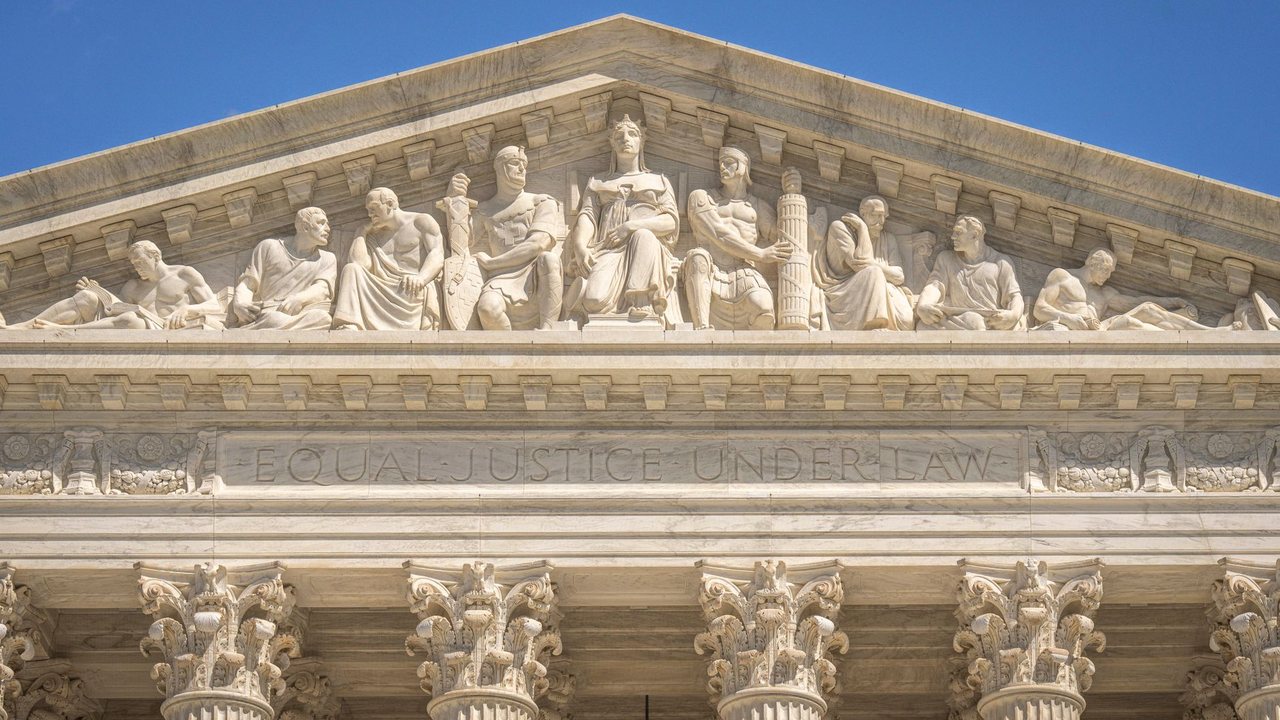
Photo: Curtis Adams / Pexels (stock photo, for illustration).