
Key Takeaways
- Trump's Criticism: President Trump condemned Governor Newsom's commutation of over 500 death sentences, linking the decision to rising violent crime rates in California.
- Newsom's Defense: Governor Newsom defended his constitutional authority to commute sentences and accused Trump of hypocrisy, citing pardons for wealthy allies.
- Political Tensions: The exchange highlights ongoing tensions between state and federal authorities, particularly concerning criminal justice policies.
- Implications for 2028 Election: The dispute positions Newsom as a potential candidate for the 2028 presidential election, with Trump targeting him as a political opponent.
What Happened
In a recent speech at the Justice Department, President Donald Trump criticized California Governor Gavin Newsom's decision to commute over 500 death sentences to life without parole. Trump linked the commutations to rising violent crime rates in California, suggesting that such actions contribute to public safety concerns. He stated, "Commuting these sentences sends the wrong message and undermines our efforts to combat violent crime."
The Background
Governor Newsom's decision to commute the death sentences was part of a broader initiative to reform California's criminal justice system. The commutations require state Supreme Court approval in most cases. Newsom defended his actions, stating, "As governor, I have the constitutional authority to commute sentences, and I am exercising that authority to promote fairness and justice."
What Each Side Says
President Trump's Position: Trump argues that commuting death sentences undermines efforts to combat violent crime and sends a message of leniency to offenders. He has previously criticized Newsom's policies and suggested that such decisions could influence his stance in the 2028 presidential election.
Governor Newsom's Defense: Newsom defends his actions as a constitutional exercise of executive authority aimed at reforming the criminal justice system. He accuses Trump of hypocrisy, citing instances where Trump has pardoned individuals with significant political or financial influence.
What Happens Next
The exchange between Trump and Newsom is likely to continue, with both sides potentially escalating their rhetoric. Newsom's actions may influence his political future, positioning him as a potential candidate for the 2028 presidential election. The ongoing debate over criminal justice reform and the death penalty is expected to remain a contentious issue in California and nationally.
Why It Matters
This dispute underscores the complex relationship between state and federal authorities, particularly concerning criminal justice policies. It also highlights the political dynamics leading up to the 2028 presidential election, with figures like Newsom emerging as potential contenders. The outcome of this debate could influence future criminal justice reforms and the broader discourse on the death penalty in the United States.
Timeline
- November 23, 2026: President Trump criticizes Governor Newsom's commutation of over 500 death sentences during a Justice Department speech.
- November 23, 2026: Governor Newsom defends his actions, citing constitutional authority and accusing Trump of hypocrisy.
What is the significance of President Trump's criticism of Governor Newsom's commutations?
President Trump's criticism highlights the ongoing tensions between state and federal authorities over criminal justice policies, particularly concerning the death penalty. It also positions Governor Newsom as a potential candidate for the 2028 presidential election, with Trump targeting him as a political opponent.
How does Governor Newsom justify his decision to commute death sentences?
Governor Newsom justifies his decision by citing his constitutional authority as governor to commute sentences. He views the commutations as part of a broader initiative to reform California's criminal justice system and promote fairness and justice.
What are the potential political implications of this dispute?
The dispute could influence the political landscape leading up to the 2028 presidential election, with figures like Governor Newsom emerging as potential candidates. It also underscores the complex relationship between state and federal authorities and may impact future criminal justice reforms and the discourse on the death penalty in the United States.
What are the broader concerns associated with commuting death sentences?
Critics argue that commuting death sentences may undermine efforts to combat violent crime and send a message of leniency to offenders. Supporters of commutation view it as a necessary step toward criminal justice reform and addressing systemic issues within the justice system.
Sources
- The Guardian: Trump urges justice department to speed up federal executions in dig at Gavin Newsom
- The Washington Post: Trump uses DOJ speech to attack Newsom, a potential 2028 contender
- KTVZ: Trump goes after Newsom, a longtime foil and potential 2028 candidate, over death penalty commutations
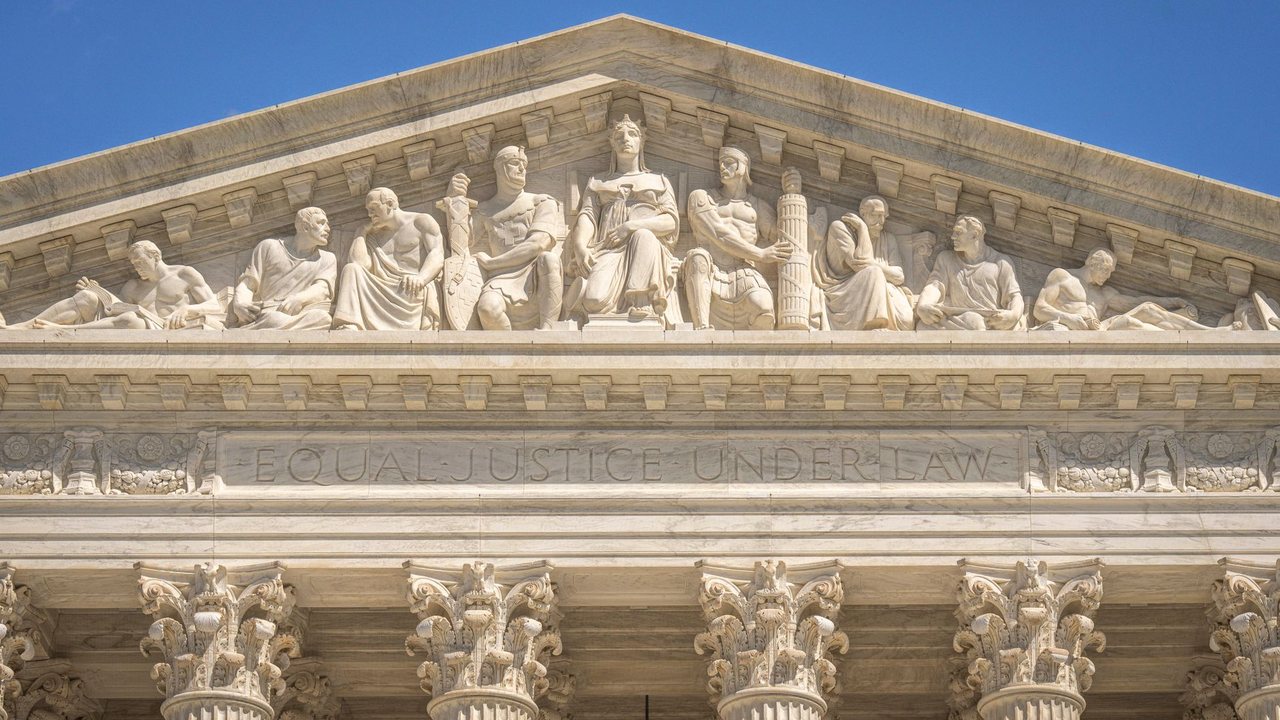
Photo: Ata Ebem / Pexels (stock photo, for illustration).