
Key Takeaways
- Executive Order Issued: President Trump signed an executive order requiring federal contractors to notify the White House of congressional requests related to their government work.
- Controversial Directive: The order has been criticized by Democrats, who view it as an infringement on Congress's oversight authority.
- Potential Impact on Investigations: The directive could complicate future congressional investigations into the administration's activities.
- Legal Challenges Expected: Legal experts anticipate that the order may face challenges in court over its constitutionality and implications for executive power.
What Happened
On November 20, 2026, President Donald Trump signed an executive order titled "Protecting the Executive's Privileges and Enhancing Efficiencies in Federal Contracting." This directive mandates that all federal contractors and subcontractors inform the White House of any congressional requests concerning their government work. Additionally, the order instructs these contractors to coordinate their responses with the administration and to withhold communications deemed protected by executive privilege. Non-compliance could result in the cancellation of contracts or barring of firms from future federal work.
Background
The executive order comes amid heightened scrutiny of the administration's activities following the November 3, 2026, midterm elections, where Democrats gained control of both chambers of Congress. With this new majority, Democrats have signaled intentions to investigate various aspects of the administration's operations, including federal contracting processes and expenditures. The order is seen as a preemptive measure to control the flow of information between federal contractors and Congress, potentially limiting the scope of forthcoming investigations.
What Each Side Says
Administration's Position: The White House argues that the order is necessary to protect executive privileges and ensure the efficient functioning of federal contracting processes. Officials contend that coordinating responses to congressional inquiries will prevent the inadvertent release of sensitive information and maintain the integrity of executive operations.
Democrats' Response: Democratic lawmakers have criticized the order as an overreach of executive authority. They argue that it undermines Congress's constitutional oversight responsibilities and could impede their ability to conduct thorough investigations into the administration's activities. Representative Robert Garcia, expected to chair the House Oversight Committee, labeled the directive an "attack on Congress's oversight power."
What Happens Next
The immediate effect of the executive order is the implementation of new protocols for federal contractors when responding to congressional inquiries. Contractors will now be required to notify the White House of any such requests and coordinate their responses accordingly. This change is expected to slow down the process of congressional investigations, as lawmakers may face delays in obtaining information from contractors. Legal challenges to the order are anticipated, with opponents questioning its constitutionality and potential infringement on legislative powers. Courts will likely be called upon to determine the legality of the directive and its implications for the balance of power between the executive and legislative branches.
Why It Matters
This development is significant because it touches upon the fundamental principles of checks and balances that underpin the U.S. government. By directing federal contractors to coordinate with the White House on congressional requests, the administration is asserting a level of control over information that has traditionally been accessible to Congress. This move could set a precedent for future executive actions that limit legislative oversight, potentially affecting the transparency and accountability of government operations. The outcome of this situation will have lasting implications for the relationship between the executive and legislative branches, influencing how information flows within the federal government and how effectively Congress can perform its oversight duties.
Timeline
- Nov 20, 2026: President Trump signs the executive order requiring federal contractors to notify the White House of congressional requests and coordinate responses.
- Nov 21, 2026: Democratic lawmakers, including Representative Robert Garcia, publicly criticize the order, labeling it an attack on Congress's oversight power.
- Nov 22, 2026: Legal experts begin discussing potential challenges to the order's constitutionality and implications for executive authority.
What is the executive order about?
The executive order requires federal contractors to inform the White House of any congressional requests related to their government work and to coordinate their responses with the administration, potentially withholding information deemed protected by executive privilege.
Why are Democrats opposed to the order?
Democrats argue that the order undermines Congress's constitutional oversight responsibilities and could impede their ability to conduct thorough investigations into the administration's activities.
What are the potential legal challenges to the order?
Legal experts anticipate challenges questioning the order's constitutionality and its implications for the balance of power between the executive and legislative branches.
How might this affect future congressional investigations?
The order could slow down the process of congressional investigations, as lawmakers may face delays in obtaining information from contractors who are now required to coordinate with the White House before responding to congressional inquiries.
Sources
- The Guardian: Trump orders contractors to check with White House over any congressional inquiries
- KTVZ: Trump directs federal contractors to coordinate with White House on congressional requests for information
- The File: Trump orders federal contractors to tell White House before answering Congress
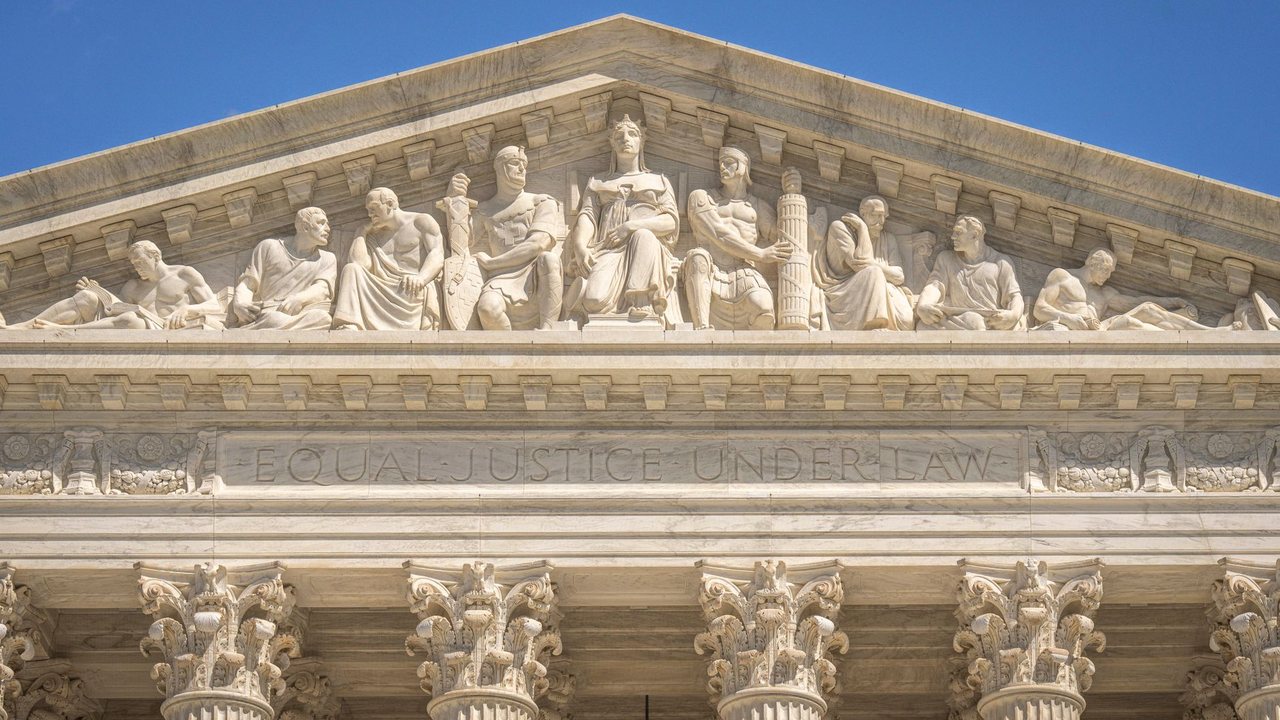
Photo: Banx Photography / Pexels (stock photo, for illustration).