
Key Takeaways
- 17% thinner profile makes the Z Fold 8 significantly more pocket-friendly than previous generations
- 40% faster processing power over Z Fold 6 delivers measurably improved performance
- Hinge rated for 100,000+ fold cycles addresses the durability concerns that plagued earlier models
- 7.6-inch unfolded display maintains immersive screen real estate without added bulk
- Represents the most significant generational leap in Samsung's foldable lineup to date
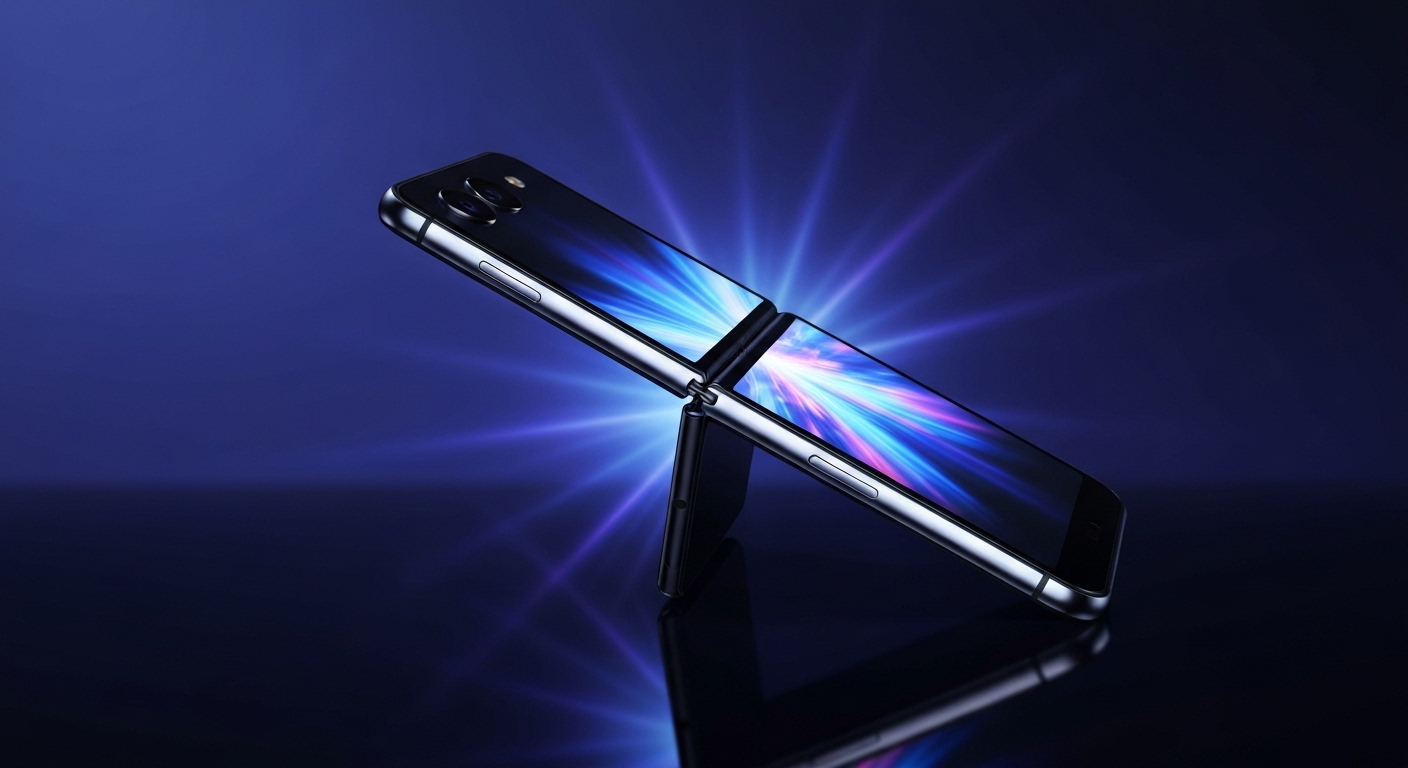
The Samsung Galaxy Z Fold 8 is Samsung's next-generation foldable smartphone, expected to launch in 2025. It reportedly features a 17% thinner profile, a refined hinge mechanism rated for 100,000+ fold cycles, a 7.6-inch unfolded display, and processing power approximately 40% improved over the Z Fold 6 — making it the most significant generational leap in the foldable lineup yet.
Foldable phones had a bit of an image problem for a while. Too thick. Too expensive. Too "I'll wait for gen three." The Samsung Galaxy Z Fold 8 looks like the phone that finally stops that conversation dead. Not because Samsung's marketing team said so — but because the rumoured specs represent actual, measurable improvements in the areas that made previous Z Fold owners wince at the price tag. Let's break down what we know, what's still unconfirmed, and whether this thing deserves the hype it's already generating.
What exactly is the Samsung Galaxy Z Fold 8?
The Samsung Galaxy Z Fold 8 is the eighth iteration of Samsung's flagship book-style foldable smartphone. It opens like a small hardback novel and becomes a tablet. It closes into something vaguely pocketable. It runs Android. It costs a lot. You know the concept by now.
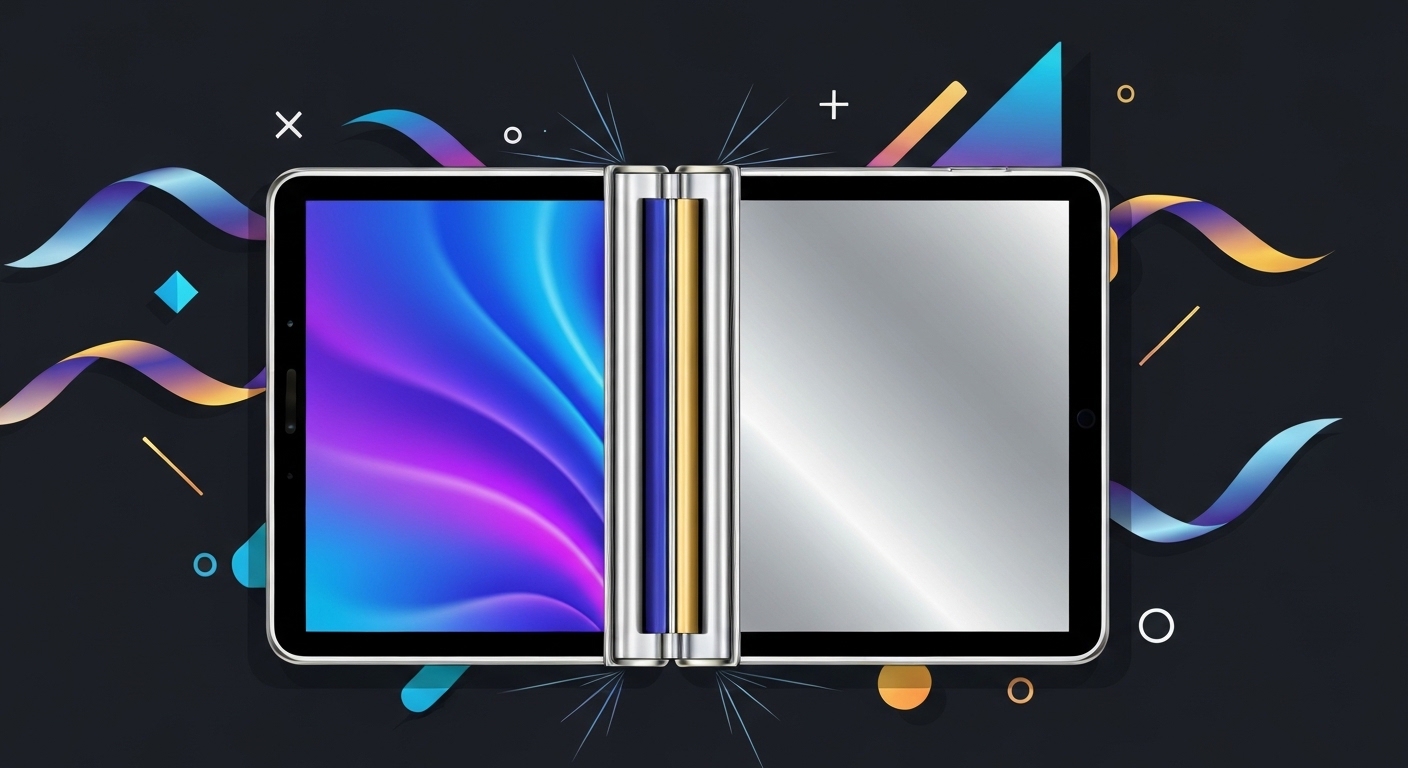
What's different this time is that the improvements are reportedly targeting the exact pain points that kept mainstream buyers away. Previous Z Fold models were brilliant — but undeniably bulky, occasionally fragile-feeling, and processing-wise, not always worth the premium over a top-tier slab phone.
The Z Fold 8 reportedly addresses all three. According to industry sources and leak aggregators, Samsung's engineering teams — reportedly including Samsung Display Division's foldable screen R&D group — have been refining the hinge mechanism, display panel, and thermal management simultaneously. That's not a small ask. Getting all three right at once is the smartphone equivalent of fixing the printer, the Wi-Fi, and the office coffee machine in the same week.
The result, if the leaks are accurate, is a device that doesn't feel like a compromise in any direction.
Galaxy Z Fold 8 release date: what we know so far
Industry forecasts point to a 2025 market availability window, with reports suggesting Samsung was planning an official announcement in Q1 2025. That said, no confirmed launch date has been officially announced by Samsung as of this writing.
Samsung's typical cadence for the Z Fold line has been mid-year. The Z Fold 6, for reference, followed a similar pre-release rumour cycle before its official reveal. The Z Fold 8 release date conversation started picking up in earnest during late 2024, when leaks reportedly indicated a slimmer profile and enhanced processor integration were locked in.
Rule of thumb: if Samsung is refining hinge mechanisms and display tech simultaneously in Q3 of the preceding year, a mid-2025 launch window is the safe bet. Treat Q1 announcement rumours as exactly that — rumours — until Samsung takes the stage.
Per GSMArena's historical tracking of Samsung's foldable launch calendar, the Z series announcements have consistently landed at Samsung Unpacked events, which the company typically holds in July or August.
Galaxy Z Fold 8 price — brace yourself
No official Galaxy Z Fold 8 price has been confirmed. Based on historical Z Fold pricing, expect it to land somewhere north of $1,799 USD. The Z Fold 6 launched at $1,899 in the US market. Whether Samsung holds, drops, or nudges that number will depend heavily on component costs and competitive pressure from Chinese foldable makers eating into the premium tier.
Here's the honest read: the Z Fold 8 will not be cheap. If your budget ceiling is $1,200, this phone is not for you — and that's not a knock on you. A high-end slab phone at $999 will outperform a foldable at $1,899 in pure benchmark-per-dollar terms every single time. The Z Fold premium is a form-factor premium, full stop.
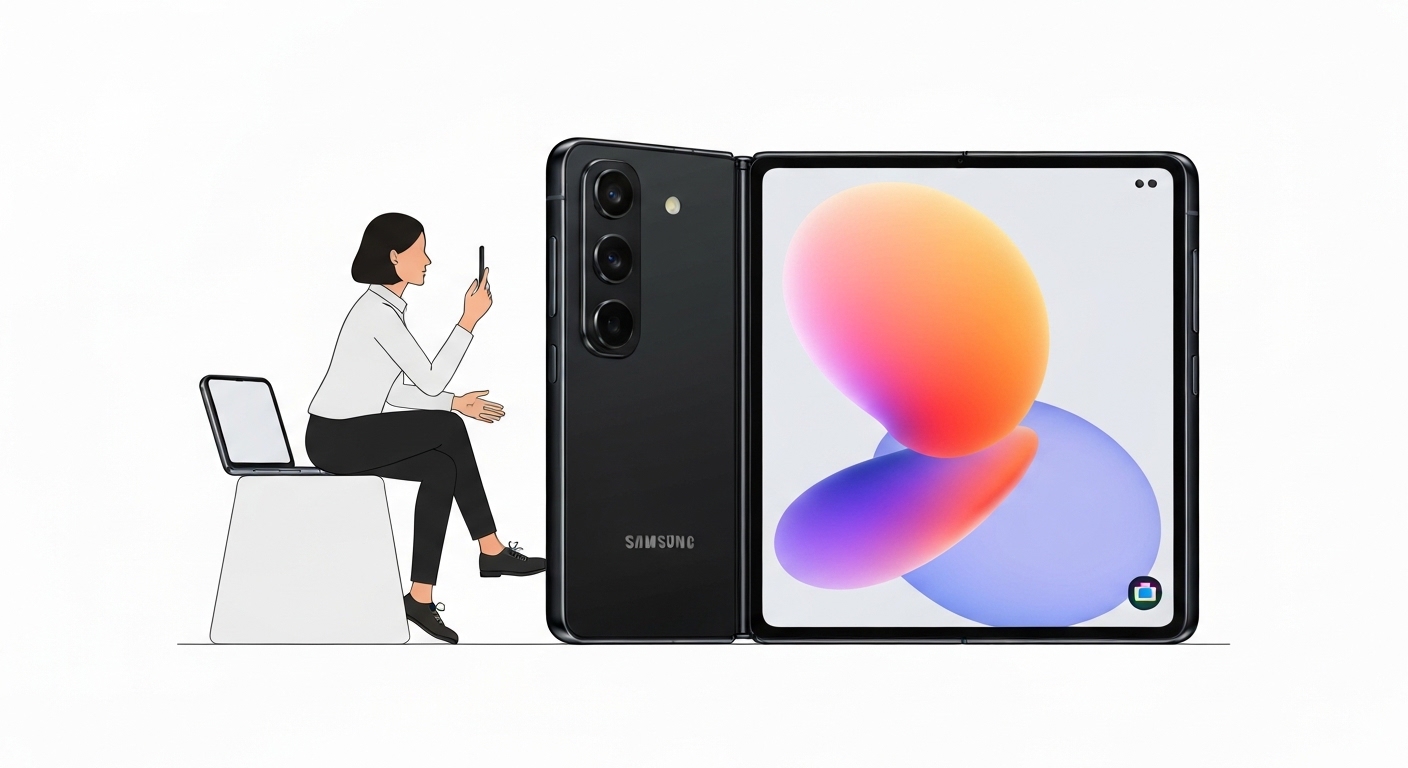
That said, if you genuinely use a tablet and a phone as separate devices, the maths changes. Two devices at $800 each versus one Z Fold 8 at $1,899 starts looking more reasonable — especially if the processing improvements hold up to the reported ~40% uplift over the Z Fold 6.
Galaxy Z Fold 8 specs that actually matter
Let's run through the reported Galaxy Z Fold 8 specs without drowning in numbers that don't translate to real-world use.
- Display: Approximately 7.6 inches when unfolded, consistent with the Z Fold line's established screen size
- Profile: Reportedly 17% thinner than the previous generation — that's not a rounding error, that's genuinely noticeable in-hand
- Processing: Approximately 40% performance improvement over the Z Fold 6, per industry speculation
- Battery: Estimated 4,400–4,500 mAh capacity
- Camera: Reportedly enhanced zoom capabilities reaching up to 10x optical zoom
- Durability rating: Estimated 100,000+ fold cycles
Important caveat: these figures are based on industry leaks and estimates, not official Samsung announcements. Treat them as directionally accurate, not gospel. (The fact that you're still reading suggests you've already accepted that caveat and moved on. Good instinct.)
The chipset remains unconfirmed, but Samsung's Z Fold line has historically paired with Qualcomm's Snapdragon flagship-tier processor. A Snapdragon 8 Elite or equivalent would align with the reported performance uplift.
The Galaxy Z Fold 8 features that change everything
The headline features are the hinge, the thinness, and the camera. But the feature that actually changes the day-to-day experience is the thinness.
Previous Z Fold models, when folded, were noticeably thicker than a standard smartphone. That thickness affected pocketability, one-handed use, and frankly, the willingness to pull it out in public without feeling like you were brandishing a small briefcase. A 17% reduction in profile thickness addresses this directly. It doesn't make the Z Fold 8 as thin as a Galaxy S25 — nothing will — but it closes the gap meaningfully.
The hinge refinement is the other sleeper feature. Samsung's engineering teams reportedly spent significant time in 2024's Q3 improving the mechanism's feel and dust resistance. A smoother, tighter hinge changes the tactile experience of using the phone every single time you open or close it. That's dozens of times a day. Multiply that by a two-year ownership cycle and you're talking about thousands of interactions that either feel premium or feel plasticky. The hinge matters more than the spec sheet suggests.
Enhanced 10x zoom on a foldable is also notable. Previous Z Fold camera systems were capable but not class-leading. Closing that gap matters for a device at this price point.
100,000 folds: the durability story
The reported 100,000+ fold cycle rating is the number Samsung's engineers apparently want you to talk about. And fair enough — it's impressive. At 100 folds per day (which is heavy use), that's roughly 2.7 years of rated durability. At 50 folds per day, you're pushing five years.
Real-world durability involves more than fold cycle counts, of course. Screen protectors, dust ingress, drop resistance, and water resistance ratings all factor into the daily survival story. Samsung's IPX8 water resistance rating on previous Z Fold models has been solid. Whether the Z Fold 8 maintains or improves on that will be confirmed at launch.
According to the FTC's guidance on device warranties, manufacturer durability ratings are tested under controlled lab conditions. Real-world performance varies. That's true of every phone, not just foldables. But it's worth keeping in mind before treating 100,000 folds as a lifetime guarantee.
Z Fold 8 vs Z Fold 7: worth upgrading?
This question will be definitively answerable once both devices have official specs. Right now, the honest answer is: probably yes, if you're on a Z Fold 5 or earlier.
The Z Fold 7 itself is not yet officially released or confirmed in detail. The foldable upgrade cycle, like most premium smartphones, rewards skipping generations. If you're on a Z Fold 5, the cumulative improvements across two generations — thinner profile, improved hinge, significantly better processor, enhanced camera — make the Z Fold 8 a meaningful upgrade.
If you bought a Z Fold 6 six months ago, sit tight. Nothing in the reported Z Fold 8 specs justifies a $1,800+ upgrade cycle in under a year. That's not pessimism — that's basic financial common sense dressed up as tech advice.
My honest opinion: who should — and shouldn't — buy this
Strong opinion incoming, and I'm standing by it: the Galaxy Z Fold 8 is not for people who want the best smartphone. It's for people who want the best foldable smartphone. Those are different things.
A Galaxy S25 Ultra at roughly $1,299 will have comparable processing power, a better camera system in several scenarios, and significantly better battery life in a lighter, thinner, more pocketable form factor. The Z Fold 8's reported 4,400–4,500 mAh battery is decent — but a slab phone has more room for battery real estate. Physics wins every time.
The Z Fold 8 makes sense if: you regularly use your phone as a productivity device and genuinely benefit from the 7.6-inch unfolded display. It makes sense if you've already owned a foldable and the form factor has earned a place in your daily workflow. It makes sense if you're replacing two devices — a tablet and a phone — with one.
It does not make sense if you're buying it as a status purchase and will use it exactly like you use a normal phone. That's a $1,800 lesson most people only need to learn once.
The actionable consequence: before pre-ordering, spend one week deliberately using your current phone in landscape mode, split-screen, with a tablet alongside it. If that workflow genuinely improved your productivity, the Z Fold 8 is worth considering. If you ignored the landscape mode entirely, buy the S25 Ultra and save yourself six hundred dollars.
Frequently Asked Questions
When will the Samsung Galaxy Z Fold 8 be released?
No official Samsung Galaxy Z Fold 8 release date has been confirmed. Industry forecasts point to a 2025 availability window, with reports suggesting an announcement was planned for Q1 2025. Samsung's historical pattern for Z Fold launches has been mid-year Unpacked events, typically July or August. Treat any specific pre-announcement date as a rumour until Samsung makes it official.
How much will the Samsung Galaxy Z Fold 8 cost?
No official Galaxy Z Fold 8 price has been announced. Based on the Z Fold 6's $1,899 US launch price and Samsung's established premium positioning, expect a similar or slightly adjusted price point. If Samsung is under competitive pressure from Chinese foldable manufacturers, a modest price reduction is possible — but don't bank on it. Foldables are priced like foldables.
How do I pre-order the Samsung Galaxy Z Fold 8?
Pre-orders haven't opened yet as of this writing. When Samsung announces the Z Fold 8 at an Unpacked event, pre-orders typically open the same day via Samsung's website, major carriers, and retailers like Best Buy. Sign up for Samsung's newsletter or enable alerts on Samsung.com to get notified the moment pre-orders go live. Being early sometimes scores you bundled accessories — Samsung has historically offered this incentive.
What's the difference between the Galaxy Z Fold 8 and Z Fold 7?
The Z Fold 7 hasn't been officially detailed either, making a direct comparison tricky. What we can say is that the Z Fold 8 reportedly represents a significant generational step: 17% thinner profile, approximately 40% processing improvement over the Z Fold 6, enhanced 10x zoom, and a refined hinge mechanism. Whether those improvements apply relative to a Z Fold 7 depends entirely on what Samsung announces for that device first. (It's a bit like comparing two unreleased films — ambitious, but premature.)
Is the Galaxy Z Fold 8 worth the price upgrade?
If you're coming from a Z Fold 5 or earlier, the cumulative improvements — thinner build, better hinge, stronger processor, improved camera — make a compelling case. If you bought a Z Fold 6 recently, sit tight. The improvements don't justify a sub-12-month upgrade cycle at this price point. Rule of thumb: skip one generation, upgrade the next. Your bank account will thank you.
What is a foldable phone and how does the Z Fold 8 work?
A foldable phone uses a flexible OLED display that physically bends. The Galaxy Z Fold 8 opens like a small book: folded, it functions as a standard smartphone with a cover screen; unfolded, it becomes a 7.6-inch tablet. The hinge mechanism — the part Samsung has reportedly refined significantly for the Z Fold 8 — controls the fold and unfold action. It's rated for 100,000+ cycles, which means it's designed to survive years of daily opening and closing.
What chipset and RAM does the Galaxy Z Fold 8 use?
Samsung hasn't officially confirmed the Z Fold 8's chipset. Based on the Z Fold line's history, a Snapdragon 8-series flagship processor is the most likely candidate. The reported ~40% performance improvement over the Z Fold 6 aligns with what a next-generation Snapdragon chip would deliver. RAM specifics are also unconfirmed, though the Z Fold 6 launched with 12GB — expect at least that, possibly more given the productivity-focused use case.
Is the Galaxy Z Fold 8 durable enough for daily use?
Based on reported specs, yes — more so than previous generations. The estimated 100,000+ fold cycle rating, combined with Samsung's history of IPX water resistance on the Z Fold line, suggests the Z Fold 8 is engineered for real daily use, not just careful handling. That said, the flexible display is still more scratch-prone than tempered glass. A screen protector isn't optional on a foldable — it's the first thing you buy.
When will the Samsung Galaxy Z Fold 8 be released?
No official Samsung Galaxy Z Fold 8 release date has been confirmed. Industry forecasts point to a 2025 availability window, with reports suggesting an announcement was planned for Q1 2025. Samsung's historical pattern for Z Fold launches has been mid-year Unpacked events, typically July or August. Treat any specific pre-announcement date as a rumour until Samsung makes it official.
How much will the Samsung Galaxy Z Fold 8 cost?
No official Galaxy Z Fold 8 price has been announced. Based on the Z Fold 6's $1,899 US launch price and Samsung's established premium positioning, expect a similar or slightly adjusted price point. If Samsung is under competitive pressure from Chinese foldable manufacturers, a modest price reduction is possible — but don't bank on it. Foldables are priced like foldables.
How do I pre-order the Samsung Galaxy Z Fold 8?
Pre-orders haven't opened yet as of this writing. When Samsung announces the Z Fold 8 at an Unpacked event, pre-orders typically open the same day via Samsung's website, major carriers, and retailers like Best Buy. Sign up for Samsung's newsletter or enable alerts on Samsung.com to get notified the moment pre-orders go live. Being early sometimes scores you bundled accessories — Samsung has historically offered this incentive.
What's the difference between the Galaxy Z Fold 8 and Z Fold 7?
The Z Fold 7 hasn't been officially detailed either, making a direct comparison tricky. What we can say is that the Z Fold 8 reportedly represents a significant generational step: 17% thinner profile, approximately 40% processing improvement over the Z Fold 6, enhanced 10x zoom, and a refined hinge mechanism. Whether those improvements apply relative to a Z Fold 7 depends entirely on what Samsung announces for that device first. (It's a bit like comparing two unreleased films — ambitious, but premature.)
Is the Galaxy Z Fold 8 worth the price upgrade?
If you're coming from a Z Fold 5 or earlier, the cumulative improvements — thinner build, better hinge, stronger processor, improved camera — make a compelling case. If you bought a Z Fold 6 recently, sit tight. The improvements don't justify a sub-12-month upgrade cycle at this price point. Rule of thumb: skip one generation, upgrade the next. Your bank account will thank you.
What is a foldable phone and how does the Z Fold 8 work?
A foldable phone uses a flexible OLED display that physically bends. The Galaxy Z Fold 8 opens like a small book: folded, it functions as a standard smartphone with a cover screen; unfolded, it becomes a 7.6-inch tablet. The hinge mechanism — the part Samsung has reportedly refined significantly for the Z Fold 8 — controls the fold and unfold action. It's rated for 100,000+ cycles, which means it's designed to survive years of daily opening and closing.
What chipset and RAM does the Galaxy Z Fold 8 use?
Samsung hasn't officially confirmed the Z Fold 8's chipset. Based on the Z Fold line's history, a Snapdragon 8-series flagship processor is the most likely candidate. The reported ~40% performance improvement over the Z Fold 6 aligns with what a next-generation Snapdragon chip would deliver. RAM specifics are also unconfirmed, though the Z Fold 6 launched with 12GB — expect at least that, possibly more given the productivity-focused use case.
Is the Galaxy Z Fold 8 durable enough for daily use?
Based on reported specs, yes — more so than previous generations. The estimated 100,000+ fold cycle rating, combined with Samsung's history of IPX water resistance on the Z Fold line, suggests the Z Fold 8 is engineered for real daily use, not just careful handling. That said, the flexible display is still more scratch-prone than tempered glass. A screen protector isn't optional on a foldable — it's the first thing you buy.
The bottom line
The Samsung Galaxy Z Fold 8 is shaping up to be the foldable that finally earns its price tag. Thinner, faster, tougher, and apparently capable of surviving 100,000 folds without complaining — which is more than can be said for most of us on a Monday morning. Nothing is confirmed until Samsung takes the stage. But the direction of travel is clear, and for the first time in the Z Fold's history, the mainstream buyer has genuine reason to look up from their slab phone and pay attention. Stay tuned to the Unpacked event. And maybe start preparing your current phone trade-in while it still has some value.