Key Takeaways
- Median home prices jumped from $300k–$350k (2015) to $550k–$600k+ today
- Price-to-income ratio doubled from 4:1 to 8–9:1, signaling a genuine affordability crisis
- Housing prices have moderated from pandemic peaks, but remain elevated
- Bellingham still offers outdoor recreation, walkable downtown, and quality of life advantages over nearby Seattle
- The city's Pacific Northwest appeal persists despite higher costs of living
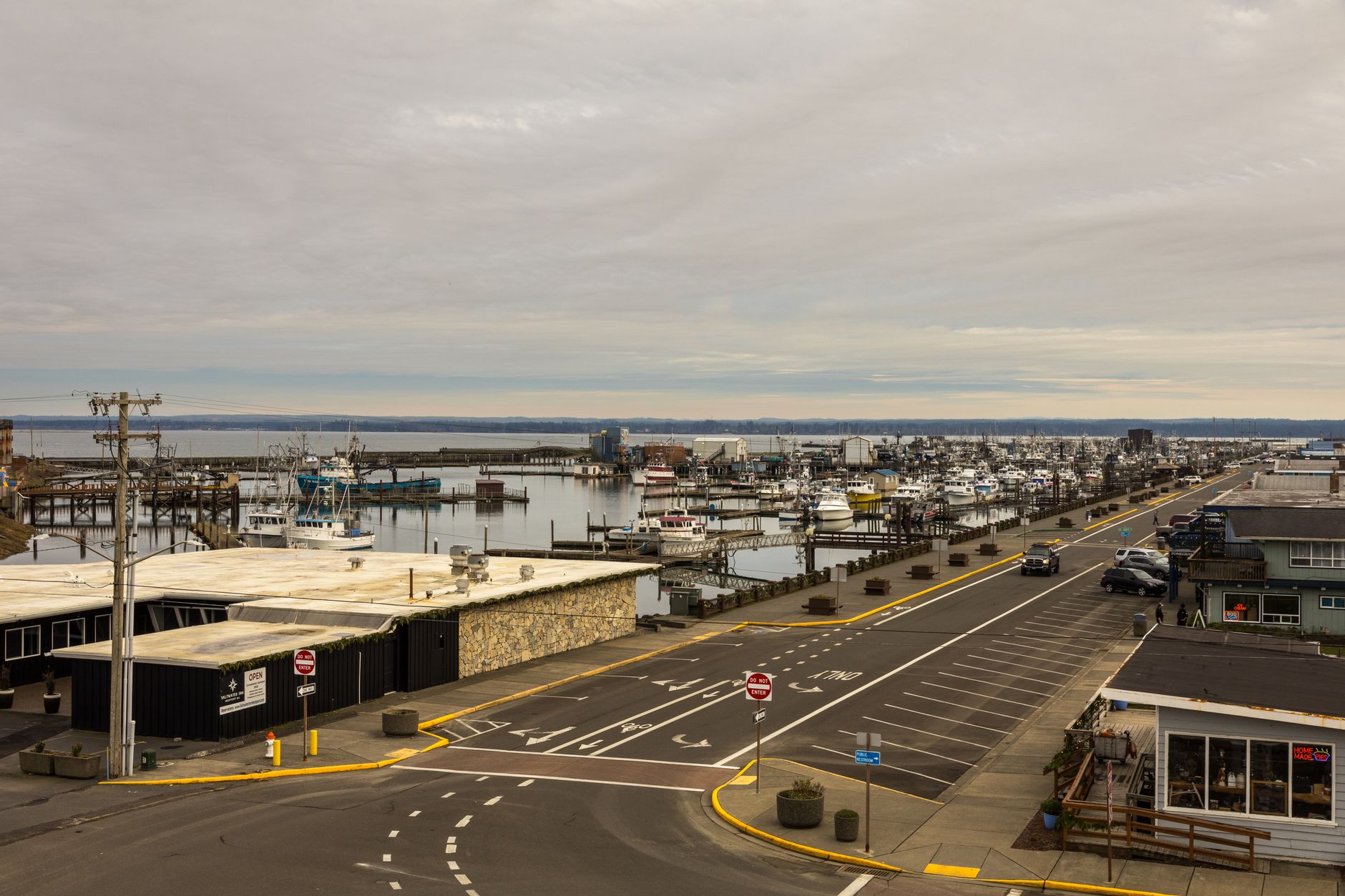
Bellingham, Washington is a vibrant waterfront city in Whatcom County known for outdoor recreation, local news coverage, and community events, located in the Pacific Northwest. Recent data shows housing prices have moderated from pandemic peaks, though affordability remains a concern for prospective residents and newcomers evaluating relocation.
Understanding Bellingham's housing affordability crisis: what the data actually show
Here's the number that matters most: Bellingham's home price-to-income ratio has reportedly climbed from around 4:1 in the mid-2010s to somewhere between 8:1 and 9:1 today. For context, a ratio of 3:1 is generally considered healthy. Anything north of 5:1 is where economists start using words like "strained." Bellingham blew past that a while ago.
The median household income in Bellingham reportedly sits around $65,000 to $75,000. Meanwhile the median home price has reportedly risen from approximately $300,000-$350,000 in 2015 to $550,000-$600,000-plus in 2023-2024. Do that math and you get a town where a typical worker needs eight or nine years of full salary, untouched, just to cover the sticker price of a house. Nobody's untouched salary just sits there, obviously — that's what makes the ratio so brutal.
Renters aren't catching a break either. Reports indicate rent increases have averaged 8-12% annually in recent years, and vacancy rates have reportedly dropped to around 2-3%. A healthy rental market usually sits closer to 5-7% vacancy. At 2-3%, you're not choosing an apartment — you're racing three other applicants for it and hoping your credit score does the talking. Approximately 40-50% of renters reportedly spend more than 30% of their income on housing, which is the standard federal threshold for being "cost-burdened." Nearly half the renters in town are living right at or past that line.
So is Bellingham Washington really becoming unaffordable? Nine times out of ten, when locals grumble about this at the farmers market, the data backs them up. This isn't vibes. It's spreadsheets.
How we got here: a decade of price growth, mapped out
The affordability squeeze didn't happen overnight — it built up like sediment, one housing cycle at a time.
- 2010s: Tech industry growth and Seattle spillover reportedly began pushing housing demand north into Bellingham, as buyers priced out of Seattle looked for something more livable.
- 2015-2019: Median home prices approximately doubled during this stretch, according to reports — a warning shot most people missed at the time.
- 2020-2021: Pandemic-era remote work reportedly accelerated migration north, as anyone with a laptop and a Zoom login realized they didn't need to live in Seattle traffic anymore.
- 2022: Some Bellingham neighborhoods reportedly saw around 30% year-over-year price growth. That's not appreciation, that's a sprint.
- 2023-2024: Price growth has reportedly moderated, but affordability metrics remain strained — the fever broke, but the patient's still sick.
- 2024: Local zoning reform discussions around multi-family housing have reportedly intensified, as city council members and developers look for ways to add supply.
The pattern is familiar to anyone who's watched a dozen Pacific Northwest towns go through this: cheap-ish college town, discovered by remote workers, prices follow. Bellingham just happened to have Western Washington University, a working waterfront, and a two-hour drive from Seattle — which turned out to be exactly the recipe outsiders were hunting for.
Cost of living in Bellingham right now
How much does it cost to live in Bellingham? Housing is the headline, but it's not the whole story. Beyond the mortgage or rent check, groceries, gas, and utilities in Whatcom County track close to Washington state averages, which run higher than the national number thanks to the state's cost structure generally. There's no state income tax, which softens the blow a little, but Washington makes up for it with a higher sales tax — so it's less "free money" and more "different pocket."
For renters, expect a one-bedroom apartment to sit well above what it did five years ago, in line with those reported 8-12% annual rent increases. For buyers, the $550,000-$600,000-plus median means a lot of first-time buyers are getting squeezed out of single-family homes and looking at condos, townhomes, or commuting in from Ferndale and Lynden instead.
A relocation guide for newcomers who still want to move here
Despite all that, people keep moving to Bellingham. Reckon that says something. If you're seriously considering a move, here's the practical version nobody puts in the tourism brochure:
- Visit in February before you commit. Everyone falls in love with Bellingham in July. Fewer people love it in the gray, drizzly stretch that makes up a good chunk of the calendar.
- Budget for the 8-9:1 ratio. If your income doesn't clear roughly $85,000-$100,000 as a household, buying a median home here is going to be a stretch without serious savings or equity from a previous sale.
- Look at Ferndale, Lynden, and Blaine. These nearby communities in Whatcom County often carry lower price tags than Bellingham proper, with a short commute in.
- Rent before you buy. With vacancy rates around 2-3%, start your rental search early and have your paperwork ready — landlords aren't waiting around.
- Talk to a local lender, not just a national one. Local knowledge of Whatcom County's market quirks matters when you're eight-plus times your income deep into a mortgage.
None of this means don't move to Bellingham. It means move to Bellingham with your eyes open, not just your Pinterest board.
Education and schools in Bellingham
Bellingham Public Schools serves the city, and Western Washington University anchors the town academically and economically — it's a big part of why Bellingham feels like a college town even outside the university district. Families relocating often cite the school system as a draw, alongside the outdoor access, but it's worth researching specific school boundaries before you buy, since they can affect both your commute and your property value. Whatcom Community College also serves the area for those looking at trade programs or a lower-cost path into a four-year degree.
Local news, weather, and staying plugged in
If you're relocating or just trying to keep tabs on the place, the Bellingham Herald remains the primary local news source for the city and greater Whatcom County — it's the paper of record for everything from city council decisions to high school football scores. It's also usually the fastest place to find real-time coverage of the zoning reform debates mentioned above, since those city council discussions directly shape what gets built and where.
Weather and air quality matter more here than in a lot of places, mostly because of wildfire smoke drifting down from British Columbia and eastern Washington in late summer. Bellingham's marine climate means mild, wet winters and cool, relatively dry summers — glorious for most of the year, occasionally smoky for a few weeks when fire season peaks. Community announcements, school closures, and event listings tend to run through both the Herald and city or county government pages, so it's worth bookmarking both if you're moving in.
Recreation and outdoor activities
This is where Bellingham earns its reputation, and honestly, where a lot of the price pressure comes from. You've got Puget Sound on one side and the North Cascades on the other, which is a genuinely unfair geographic advantage. Whatcom Falls Park, Chuckanut Drive, and the trails around Lake Padden are the kind of thing people move states for.
Mount Baker is close enough for a day trip, offering some of the best snowfall totals in North America most winters — the ski area has reportedly recorded some of the highest annual snowfall on the planet in past seasons. Kayaking in Bellingham Bay, cycling the Interurban Trail, and hiking Chuckanut Mountain are all regular-weekend activities here, not special-occasion ones. If you're the sort of person who considers a "hike" a 20-minute walk to brunch, Bellingham might recalibrate your expectations fast.
Things to do in Bellingham for first-timers
If you're planning a visit rather than a move, start downtown. Fairhaven Historic District is the postcard version of Bellingham — brick buildings, bookshops, a waterfront path connecting to Boulevard Park. Boulevard Park itself, with its boardwalk over the bay, is one of those places that photographs better than it needs to and still somehow undersells the view in person.
Beyond Fairhaven, hit the Bellingham Farmers Market on a Saturday, walk the Whatcom Falls Park trails (waterfalls, an old stone bridge, salmon runs in season), and grab a pint at one of the city's breweries — Bellingham has a disproportionate number of them for its size. For hidden gems and outdoor trails near Bellingham, locals will point you toward Stimpson Family Nature Reserve or Lookout Mountain Forest Preserve — quieter than the postcard spots, and usually empty on a weekday morning.
Regional business updates and what they signal
Real estate developers are reportedly attempting to address the housing supply crunch through new multi-family projects, particularly as the 2024 zoning reform discussions gain steam. That's the business story underneath the affordability story: if the city loosens zoning to allow more density, supply could catch up to demand over the next several years. If it doesn't, expect the price-to-income ratio to keep drifting further from that healthy 3:1 to 4:1 range. Community housing advocates have been vocal in these discussions, pushing city council members toward policies that favor multi-family and accessory dwelling unit construction over continued single-family sprawl.
My honest take on whether Bellingham is still worth it
Here's my one hot take, and I'll back it with the numbers: Bellingham is still worth moving to if you're relocating from Seattle, but it's a much tougher call if you're coming from somewhere genuinely affordable. A Seattle transplant selling a $900,000 condo and buying a $580,000 house in Bellingham is trading up in lifestyle and down in price — that's an easy yes. Someone moving from, say, Spokane or a small Midwest city, where a comparable house runs $250,000-$300,000, is taking on a mortgage payment that could double or triple, for a job market that doesn't necessarily pay double or triple. The price-to-income ratio going from 4:1 to 8-9:1 in under a decade isn't a soft landing — it's a genuine structural shift, and it means the "cheap alternative to Seattle" era of Bellingham is over. What's left is a genuinely great small city with genuinely big-city prices for anyone not benefiting from a coastal salary or existing home equity. If that's not you, at least start the search in Ferndale or Lynden and see if the math improves. If it is you, welcome — the rain jacket section at the outdoor store is right past the espresso machine, and yes, you will need both.
What is Bellingham, Washington known for?
Bellingham is known for its waterfront setting on Bellingham Bay, proximity to Mount Baker and the North Cascades, Western Washington University, and a walkable historic district in Fairhaven. It's also increasingly known — less fondly — for its housing prices, which have made it a case study in Pacific Northwest affordability pressure.
Is Bellingham a good place to live?
For outdoor access, community feel, and quality of life, yes, reckon most residents would say so. The catch is cost: with median home prices at $550,000-$600,000-plus against median incomes of $65,000-$75,000, it's a good place to live if your budget can clear that gap.
How do you get to Bellingham from Seattle?
Bellingham sits roughly two hours north of Seattle via Interstate 5, a straightforward drive with Skagit Valley farmland and mountain views along the way. Amtrak's Cascades service also connects the two cities, and Bellingham International Airport offers a smaller-scale alternative to flying through SeaTac.
Is Bellingham better than Seattle for living?
Depends what you're optimizing for. Bellingham offers lower (though still steep) housing costs, less traffic, and easier access to the outdoors; Seattle offers a much bigger job market and higher salaries to offset its higher prices. Plenty of people split the difference and commute — though at two hours each way, that's less a commute and more a lifestyle choice.
How much does it cost to live in Bellingham?
Median home prices sit around $550,000-$600,000-plus as of 2023-2024, up from roughly $300,000-$350,000 in 2015. Renters face annual increases averaging 8-12%, and with vacancy rates around 2-3%, competition for units is real — budget more time and money than you'd expect for a city this size.
What are the best things to do in Bellingham for first-time visitors?
Start with Fairhaven Historic District and Boulevard Park, then walk the trails at Whatcom Falls Park. Add a Saturday farmers market visit and a brewery stop, and you've covered the essentials without needing a rental car for most of it.
What are the best hidden gems and outdoor trails near Bellingham?
Stimpson Family Nature Reserve and Lookout Mountain Forest Preserve are quieter alternatives to the well-known spots, both popular with locals looking to dodge weekend crowds. Chuckanut Mountain and the Interurban Trail also offer serious mileage without the tourist traffic you'll find at Whatcom Falls Park in summer.
Is Bellingham too rainy to visit or live in?
Bellingham has a marine climate with genuinely wet winters, but summers are cooler and drier than most people expect from a Pacific Northwest city. Visit between June and September if rain is a dealbreaker; move here any time of year if you already own a good rain jacket and have made peace with gray skies from November through March.
Is zoning reform actually going to fix Bellingham's housing prices?
It could help, but it won't fix things overnight. The 2024 zoning discussions around multi-family housing are aimed at increasing supply, and if approved, new construction typically takes years to meaningfully shift a price-to-income ratio that's already climbed from 4:1 to 8-9:1.
So, is Bellingham Washington really becoming unaffordable? The data says yes, pretty definitively. But "unaffordable" and "not worth it" aren't the same sentence. The mountains are still there. The bay's still doing its thing every sunset. The Herald's still printing the news. You'll just need a bigger paycheck, a smaller ego about renting for a while, and a genuinely good rain jacket. Bellingham isn't going anywhere — it's just gotten a bit pricier to stay.