
Key Takeaways
- A federal judge issued a preliminary injunction against the Memorial Circle Arch project.
- The project may require congressional approval, according to the ruling.
- The Justice Department is appealing the ruling to the Fourth Circuit Court of Appeals.
- This situation is compounded by previous legal challenges adding to uncertainty.
What Happened
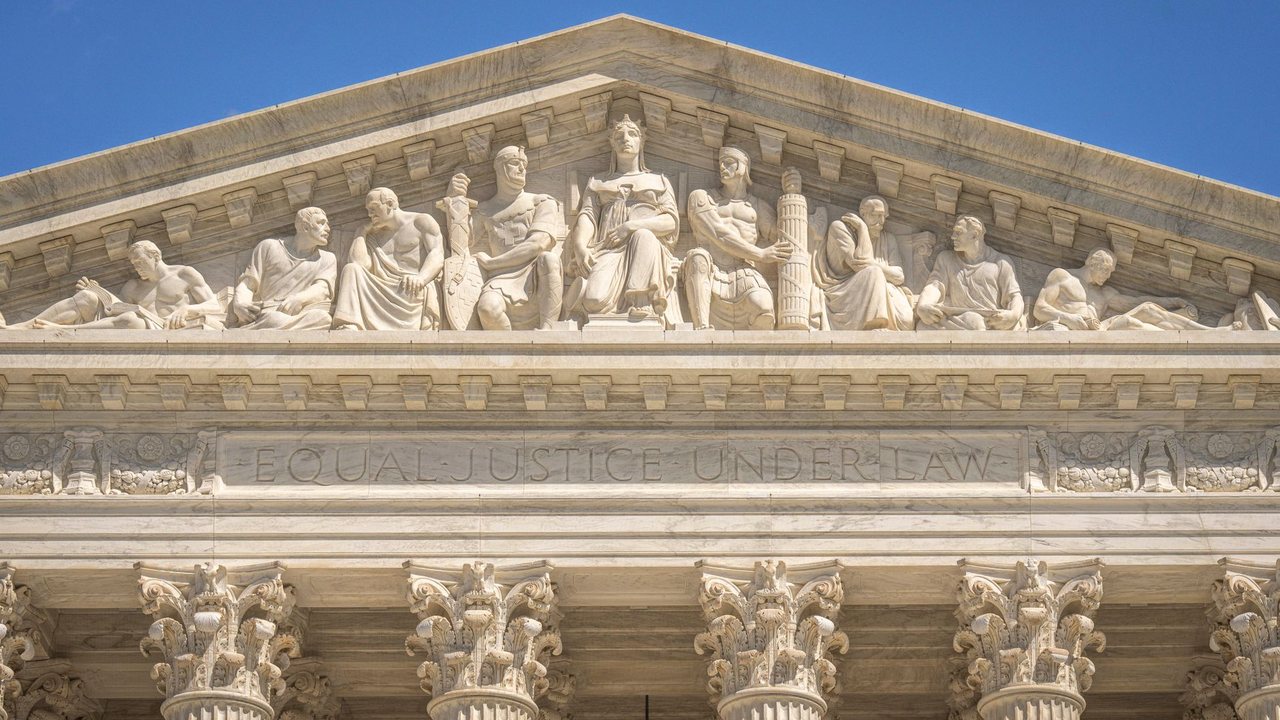
On November 21, 2026, U.S. District Judge Leonie Brinkema issued a preliminary injunction that halted the construction of the Memorial Circle Arch, a planned 250-foot monument. The judge's ruling indicated that the project could likely require congressional approval, setting a significant legal precedent. In a swift response, the Justice Department announced plans to appeal this ruling to the Fourth Circuit Court of Appeals, intensifying the ongoing legal disputes surrounding the monument. The ruling arrives amidst a backdrop of existing legal challenges, further complicating the future of the Memorial Circle Arch. ([wunc.org](https://www.wunc.org/2026-11-20/a-second-judge-blocks-trumps-arch-saying-its-unlikely-to-succeed-in-court))
The Background
The proposal for the Memorial Circle Arch has sparked fierce debate since its introduction. Proponents argue that it would stand as a tribute to national history and ideals, expressing a vision of unity. However, opponents have raised alarms about potential environmental impacts and the necessity of legislative scrutiny over such a significant federal project. The legal proceedings questioning the adequacy of environmental investigations and the proper authorization needed have dominated discussions. Recent court and injunction rulings only add to the inquiries about the implications of executive actions concerning monumental projects and their relationship to congressional authority. ([wunc.org](https://www.wunc.org/2026-11-20/a-second-judge-blocks-trumps-arch-saying-its-unlikely-to-succeed-in-court))
What Each Side Says
Supporters of the Memorial Circle Arch express disappointment following the judicial decisions, emphasizing that the monument represents a significant opportunity to celebrate American heritage. They argue that its construction would foster national pride and act as a focal point for community interaction. On the other side, opponents of the arch welcome the court's ruling as a necessary safeguard for holding executive power accountable. They believe that substantial federal projects must undergo rigorous scrutiny and should include public and congressional input to reflect broad societal interests. ([wunc.org](https://www.wunc.org/2026-11-20/a-second-judge-blocks-trumps-arch-saying-its-unlikely-to-succeed-in-court))
What Happens Next
The ongoing legal processes will dictate the future of the Memorial Circle Arch. The Justice Department's appeal to the Fourth Circuit Court of Appeals will be crucial in determining whether the injunction imposed will remain or be reversed. The separate restraining order by Judge Tanya Chutkan will influence project proceedings until it expires on December 3, 2026. As developments unfold, stakeholders on both sides are preparing for various outcomes that could result in either the project being resumed or experiencing an indefinite hold, leading to further legal tussles. ([wunc.org](https://www.wunc.org/2026-11-20/a-second-judge-blocks-trumps-arch-saying-its-unlikely-to-succeed-in-court))
Why It Matters
This legal confrontation delves into the critical balance between executive actions and legislative oversight in the United States. The ruling underlines the significance of requiring congressional approval for major federal endeavors, serving as a deterrent against unilateral decision-making. The outcome of this case could establish vital precedent for similar future federal projects, affecting how they are assessed and sanctioned. Moreover, the controversy surrounding the Memorial Circle Arch embodies larger issues of national identity, public sentiment, and environmental accountability, fostering essential discussions on the principles of governance in contemporary America. As this legal saga unfolds, the implications for federal infrastructure projects are vast and consequential. ([wunc.org](https://www.wunc.org/2026-11-20/a-second-judge-blocks-trumps-arch-saying-its-unlikely-to-succeed-in-court))
Timeline
- November 21, 2026: Judge Leonie Brinkema grants a preliminary injunction against the Memorial Circle Arch project, halting site work.
- November 22, 2026: The Justice Department files an appeal to the Fourth Circuit Court of Appeals.
- December 3, 2026: Judge Tanya Chutkan's separate restraining order remains in effect until this date.
What is the Memorial Circle Arch project?
The Memorial Circle Arch is a proposed 250-foot monument intended to honor national heritage and values. Its construction has faced legal challenges regarding environmental impact and congressional authorization.
Why did the federal judge halt the project?
The judge concluded that the project likely requires congressional approval, leading to a preliminary injunction against its construction.
What is the current status of the project?
The project is currently halted due to legal injunctions, pending further developments in ongoing appeals.
How could this ruling affect future federal projects?
This case could set a precedent for future federal projects, emphasizing the need for congressional oversight and comprehensive environmental reviews.
Sources
- Federal Rag: Federal Rag — Sunday, November 22, 2026 – Federal Rag
- Patch: Of Cyber Scares and Elections - "The Sunday Political Brunch" -- November 22, 2026 | Across America, US Patch
- WUNC News: A second judge blocks Trump's arch, saying it's unlikely to succeed in court
Photo: Mathias Reding / Pexels (stock photo, for illustration).