Key Takeaways
- Argentina spans 3.76 million km² across multiple climate zones with temperatures ranging from -15°C to 40°C
- Seasonal patterns have shifted significantly since 2010, making traditional travel advice unreliable
- Patagonian winds reach 70+ km/h and regularly cancel treks—they're not a minor weather factor
- The "best time to visit" varies completely by region, not by country-wide seasons
- Buenos Aires flooding and wine region weather patterns no longer follow predictable calendars
Travel to Argentina means navigating one of the world's most climatically diverse countries — from subtropical jungle in the north to sub-Antarctic winds in Patagonia. The country spans approximately 3.76 million square kilometres across multiple climate zones, with temperatures ranging from -15°C to 40°C. Seasonal patterns have shifted significantly since 2010, making traditional travel advice increasingly unreliable.
When travellers book an Argentina trip, they picture one thing: tango, steak, and maybe some impressive scenery. What they don't picture is arriving in Mendoza dressed for winter while Buenos Aires is still 28°C, or watching their Patagonian trek get cancelled because 70 km/h winds turned the trail into a very scenic wind tunnel. Argentina's climate is not just varied — it's genuinely surprising, and the conventional wisdom about when to go is increasingly out of date. Here's what your Argentina travel guide probably left out.
The 15°C lie hiding inside your Argentina travel guide
Most Argentina vacation tips treat the country like a single climate block. It isn't. A 15°C temperature difference exists between Buenos Aires and Mendoza during winter months — and that's two cities people routinely combine into a single trip without packing for both.
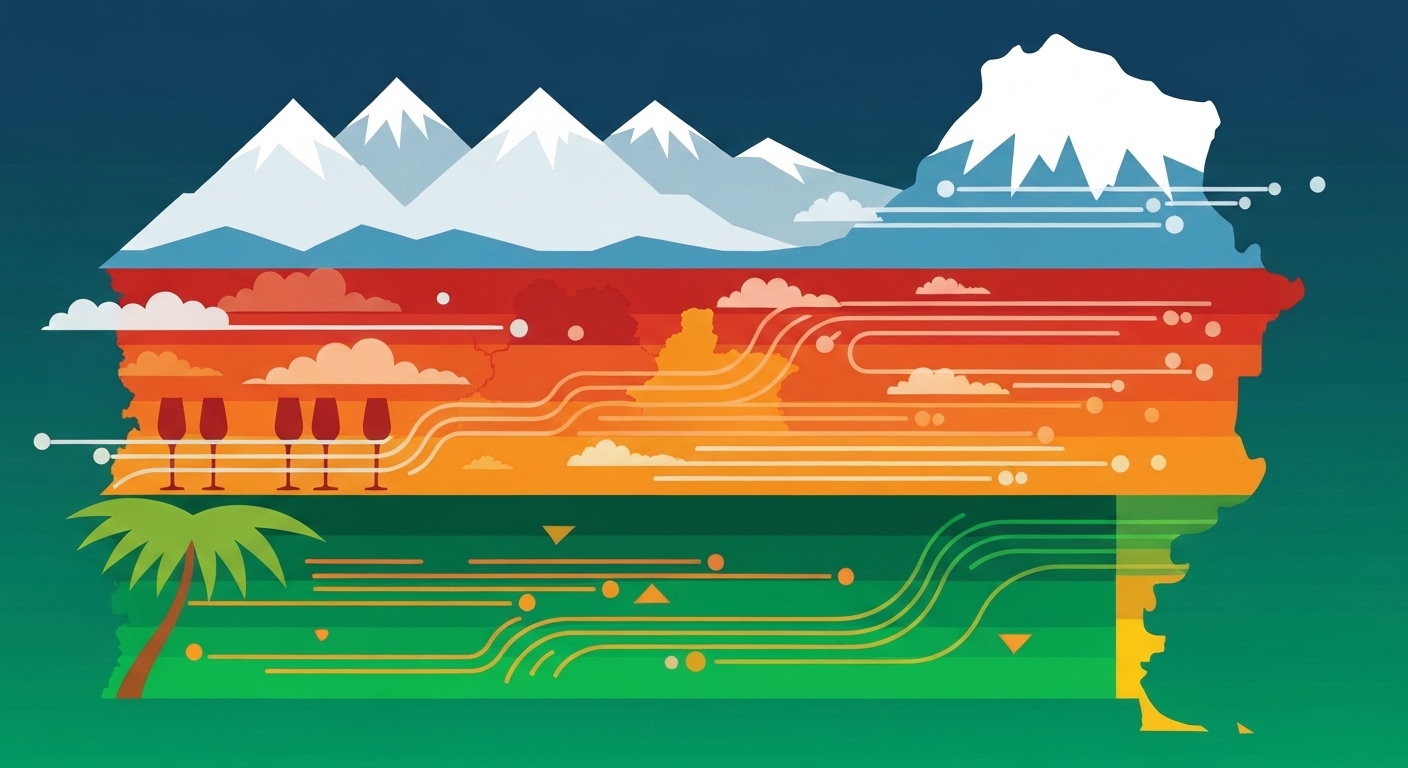
Buenos Aires sits at roughly 34°S latitude, giving it a humid subtropical climate. Mendoza, further west and elevated, runs noticeably cooler in winter, often dipping below 5°C overnight. Meanwhile, the subtropical north — Misiones province, home of Iguazú Falls — stays warm and wet year-round. The best places to visit in Argentina span three entirely different climates. Packing for one means freezing in another.
Rule of thumb: treat each major region as a separate destination when planning clothing and timing. The north, the centre, Cuyo wine country, and Patagonia each need their own column on your packing list.
Patagonia's winds are not a footnote — they're the plot
Every article about things to do in Argentina mentions trekking in Patagonia. Far fewer mention that Patagonian winds reportedly reach 60–80 km/h during peak seasons. That's not a stiff breeze. That's the kind of wind that makes experienced hikers sit down and reconsider their life choices.
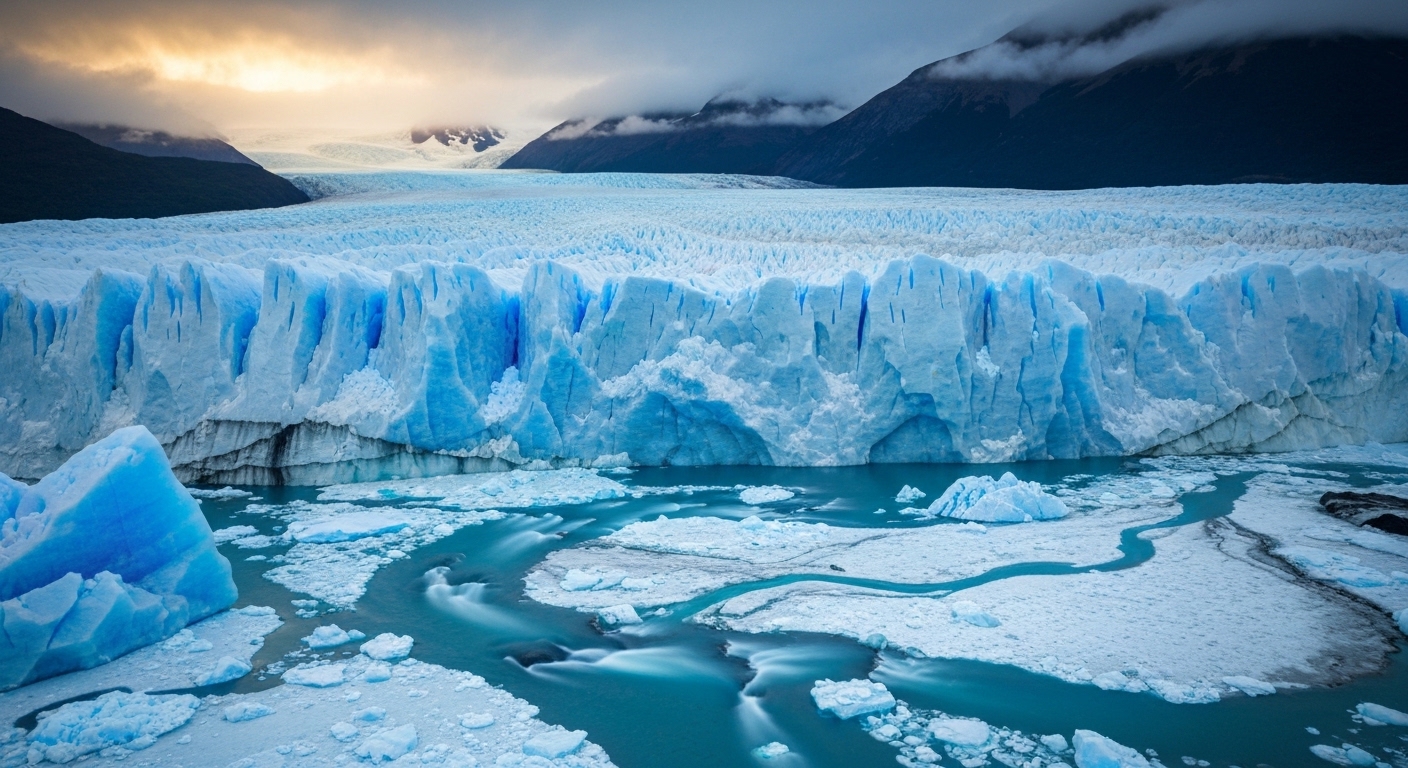
The wind in southern Patagonia — particularly around Torres del Paine and Los Glaciares National Park — is structural to the experience. It affects which trails are open, how long crossings take, and whether your tent survives the night. In 2023, reportedly, drought conditions further complicated southern Patagonia access by affecting water sources along key trekking routes.
The trekking season runs roughly November to March, with January and February being peak months. But "peak season" in Patagonia means "most reliably passable," not "calm." Even in January, a 60 km/h gust is a Tuesday. Plan layover days into your itinerary. Your airline got it wrong when they scheduled you with zero buffer.
(The fact that you're still reading suggests you've already bought non-refundable flights. Fair enough. Pack a better rain shell.)
The wine regions don't follow the calendar anymore
Mendoza's harvest — the Vendimia — traditionally runs late February through March, making it one of the best times to visit Argentina's wine country. That window hasn't disappeared, but according to reports, precipitation patterns in wine regions have shifted by approximately 2–3 weeks since 2010.
What this means practically: harvest timing is less predictable than the tourism brochures suggest, and the late-summer shoulder season (March–April) that used to be reliably dry is now wetter than it was. If visiting Mendoza specifically for harvest activities, confirm actual timing closer to travel. Wineries often know their own harvest dates 4–6 weeks out — call them. Don't trust a travel guide written in 2019.
The upside is that Mendoza in autumn (April–May) still delivers spectacular scenery — vine leaves turning gold against the Andes backdrop — even when the harvest has wrapped early. The Instagram shot still lands. The wine still flows. Some things remain predictable.
Buenos Aires floods are wetter than "occasional rain" sounds
Buenos Aires reportedly averages approximately 1,000mm of annual rainfall, concentrated in autumn and spring. That's comparable to London's annual average — except Buenos Aires delivers it in concentrated downpours rather than the British drizzle-across-all-seasons approach.
In 2021, extreme weather events caused flooding in northern provinces that impacted infrastructure and access routes. Buenos Aires itself is no stranger to flash flooding during heavy rain events, particularly in lower-lying barrios. The city's drainage infrastructure, while improved, still struggles with intense autumn storms.
If your Argentina vacation tips don't include a waterproof layer and a flexible afternoon schedule during April–May or September–October, they're incomplete. This isn't catastrophising. It's the difference between waiting out a 90-minute downpour comfortably at a café versus soaked through in a taxi queue.
Extended summers are pushing the best travel windows later
Here's the shift that's caught the most travellers off guard. Reportedly, extended summer seasons have been affecting peak travel windows in Buenos Aires and central regions since approximately 2015–2020. What this means in practice: the traditional advice to visit Buenos Aires in October–November (spring) or March–April (autumn) is drifting. October is increasingly warm and dry. Late November and even early December now function more like shoulder summer than peak spring.
For travellers planning things to do in Argentina that involve outdoor Buenos Aires — the parks, the riverside, the open-air markets of San Telmo — this is mostly good news. You get more warm dry days. For travellers sensitive to heat, or planning to combine Buenos Aires with the far north in summer, the adjustment matters. The subtropical north pushes 35–40°C from November through March. That's not tango weather. That's "stay near a fan and rethink your itinerary" weather.
Per 2024 tourism data, seasonal unpredictability has increased travel planning complexity across all regions. The honest answer to "what is the best time to visit Argentina" is now: it depends on which Argentina you're visiting, and you should check forecasts eight weeks out, not just rely on historical averages.
The one climate mistake that ruins most Argentina vacations
It's this: treating Argentina's seasons as a single national event. The country spans approximately 3.76 million square kilometres. For context, that's larger than India. A season in Buenos Aires bears no relationship to a season in Ushuaia, 3,000 kilometres south.
Nine times out of ten, the ruined trip comes from someone who planned around Buenos Aires weather, then added Patagonia as a footnote — or vice versa. The Patagonian trekking window (November–March) overlaps with Buenos Aires summer (hot, humid, occasionally flooded). You can do both in a single long trip, but you need to sequence them thoughtfully, not just string cities together on a map.
A workable multi-region sequence: start in the subtropical north (Iguazú) in late September or October before it gets brutally hot, move through Buenos Aires in October–November at its shoulder-season best, and finish in Patagonia for November–December when trails are open but crowds are lighter than January. You're not fighting the climate. You're surfing it. (I reckon that's the only surfing metaphor that will ever appear in a Patagonia article.)
Stop planning Argentina like it's one country — an honest opinion
Here's my strong take: the single biggest failure in Argentina travel guides is the "best time to visit Argentina" section that gives one answer. That answer is always wrong for at least two of the country's major regions simultaneously.
The practical consequence is real. Patagonia's trekking season peaks January–February, but Buenos Aires in January is hot, humid, and substantially emptier of locals (who leave for their own holidays). The cultural Buenos Aires experience — packed milongas, full restaurant reservations, the social energy of the city — is at its best in autumn and spring, not in high summer when half the porteños are at the beach in Mar del Plata.
If your trip priorities are: (1) Patagonia trekking, prioritise November to February and treat Buenos Aires as a bookend, not a centrepiece. If your priorities are: (2) Buenos Aires culture, food, and nightlife, aim for March–May or September–November, and either skip Patagonia or accept limited trail access. If you try to optimise for both equally in a 10-day trip, you'll half-experience both. That's not a climate opinion. That's arithmetic.
Tell someone this and they'll say "but I only have two weeks." Fair call. In that case: pick one region and do it properly. Argentina rewards depth. A week in Buenos Aires done right is worth more than four cities done badly. The steak alone justifies the flight. (The wine helps justify the steak. It's a whole system.)
What is the best time to visit Argentina?
It depends entirely on which region. For Buenos Aires and central Argentina, spring (September–November) and autumn (March–May) offer the best combination of mild temperatures and lower rainfall. For Patagonian trekking, November through February is the reliable window. For Mendoza's wine harvest, late February to March — though recent reports suggest confirming timing closer to travel given shifting precipitation patterns since 2010.
Is Argentina safe to travel to?
Argentina is generally considered one of South America's safer travel destinations, but standard urban precautions apply — particularly in Buenos Aires. Petty theft in tourist-heavy areas is the primary concern. Remote Patagonian trekking carries its own physical risks, particularly related to weather. Check your government's current travel advisory before booking, as economic conditions can affect local dynamics.
What is Argentina famous for?
Tango, beef, and Malbec are the holy trinity. Beyond that: Iguazú Falls (one of the world's great natural spectacles), Patagonia's glaciers and trekking, the Pampas grasslands, Buenos Aires' café culture and architecture, and Mendoza's wine valleys. Argentina also has a fierce football culture — attending a match is one of the best things to do in Argentina, provided you pick a safe stadium section.
How do you get a visa to visit Argentina?
Citizens of most Western countries — including the US, UK, Australia, Canada, and EU nations — do not require a visa for tourist stays up to 90 days. A valid passport and return ticket are typically sufficient. Check with Argentina's official immigration service (Dirección Nacional de Migraciones) for current entry requirements, as conditions can change.
How much does a trip to Argentina cost?
Argentina's economic volatility makes this a genuinely tricky question. Costs vary significantly depending on exchange rate conditions at the time of travel — the gap between official and informal exchange rates has historically affected purchasing power for tourists. Budget travellers have reported stretching trips for relatively little. Upscale travel — quality hotels, wine experiences, guided Patagonia treks — will run significantly more. Research current exchange conditions before budgeting.
Is Argentina worth visiting despite its economy?
Reckon so — possibly more worth visiting because of it. Argentina's economic challenges have historically made it excellent value for travellers holding stronger currencies. World-class food, extraordinary natural landscapes, and a rich cultural scene at costs well below comparable European or North American destinations. The volatility is real, but for tourists, it has often translated to more favourable conditions on the ground. Do your exchange rate research first.
Is Argentina better to visit than Brazil?
Different animals entirely. Brazil offers the Amazon, Carnival, and Atlantic beach culture. Argentina offers Patagonia, wine country, tango, and one of South America's great cities in Buenos Aires. If you're choosing between them, the question is really: glaciers or rainforest, Malbec or Caipirinha, milonga or samba. (That's not a hard question if you ask a sommelier.) Many serious South America travellers do both — they're complementary, not competing.
What are the must-see hidden gems in Patagonia?
Everyone knows Torres del Paine. Fewer visitors make it to Perito Moreno Glacier's lesser-trafficked southern face, or the Fitz Roy range around El Chaltén — often called Argentina's trekking capital — which is smaller, wilder, and less crowded than its Chilean neighbour. The Valdés Peninsula on the Atlantic coast is genuinely underrated for wildlife: southern right whales, elephant seals, and Magellanic penguins in one relatively accessible location.
Argentina will reward the traveller who respects its scale and confounds the one who doesn't. It's not one country with one climate and one best time to visit. It's four or five distinct destinations wearing the same flag. Plan accordingly, pack in layers, and book a table at a parrilla the moment you land. The rest is details. Climate-relevant, potentially trip-saving details — but details nonetheless.