
Key Takeaways
- The U.S. and Venezuela have signed a military agreement focusing on joint training and intelligence sharing.
- Venezuela's political future remains uncertain, with interim President Delcy Rodríguez in power and no election date set.
- The Trump administration has filed an emergency appeal to the Supreme Court to end temporary deportation protections for Venezuelan migrants.
- International reactions to the U.S.-Venezuela military agreement vary, with some expressing concern over the implications for regional stability.
What Happened
In a significant development in U.S.-Venezuela relations, the Trump administration has signed a military agreement with Venezuela's interim President Delcy Rodríguez. The agreement aims to enhance cooperation between the two nations, focusing on joint training and intelligence sharing. This move comes after the capture of former Venezuelan President Nicolás Maduro in January, which has led to a shift in the political landscape of the country.
The agreement is seen as a strategic move by the Trump administration to stabilize the region and counteract adversaries. Defense Secretary Pete Hegseth praised the cooperation with Rodríguez's government, emphasizing the importance of strengthening ties with Venezuela. However, critics express concern over the implications of such an agreement, fearing it may lead to increased U.S. influence in the region and potentially exacerbate existing tensions.
The Background
Venezuela has been in political turmoil for several years, with Maduro's government facing widespread protests and international condemnation. The capture of Maduro marked a turning point, leading to the establishment of an interim government under Rodríguez. Despite this change, Venezuela's political future remains uncertain, with no clear path to elections or resolution of the ongoing crisis.
The Trump administration's decision to engage with Venezuela comes amid broader geopolitical considerations, including the ongoing conflict in Iran and the administration's focus on regional stability. The military agreement is part of a series of actions aimed at asserting U.S. influence in Latin America and countering adversaries in the region.
What Each Side Says
The Trump administration views the military agreement as a strategic move to stabilize the region and counteract adversaries. Defense Secretary Pete Hegseth praised the cooperation with Rodríguez's government, emphasizing the importance of strengthening ties with Venezuela. He stated, "This agreement represents a significant step in enhancing our military cooperation and ensuring regional stability."
On the other hand, critics express concern over the implications of such an agreement, fearing it may lead to increased U.S. influence in the region and potentially exacerbate existing tensions. Some analysts argue that the agreement could be perceived as interference in Venezuela's internal affairs and may not lead to the desired stabilization.
What Happens Next
The military agreement is expected to lead to increased collaboration between U.S. and Venezuelan forces. Joint training exercises and intelligence sharing are anticipated to commence in the coming months. However, the effectiveness of this cooperation will depend on the political stability within Venezuela and the willingness of both parties to engage constructively.
Additionally, the Trump administration's emergency appeal to the Supreme Court regarding deportation protections for Venezuelan migrants will play a crucial role in shaping future relations. The outcome of this legal challenge could affect the status of approximately 20,000 Venezuelan migrants currently protected under Temporary Protected Status (TPS).
Why It Matters
The U.S.-Venezuela military agreement signifies a shift in U.S. foreign policy towards Latin America. It reflects a strategic interest in influencing the political dynamics of neighboring countries and ensuring regional stability. The outcome of this agreement could have broader implications for U.S. relations with other nations in the region and affect the geopolitical balance in the Americas.
Furthermore, the legal challenges surrounding deportation protections for Venezuelan migrants highlight the complexities of U.S. immigration policy and its impact on international relations. The resolution of these challenges will have significant consequences for the individuals involved and for the broader discourse on immigration and asylum in the United States.
Timeline
- January 2026: Nicolás Maduro is captured, leading to the establishment of an interim government in Venezuela.
- November 2026: The U.S. and Venezuela sign a military agreement focusing on joint training and intelligence sharing.
- November 2026: The Trump administration files an emergency appeal to the Supreme Court to end temporary deportation protections for Venezuelan migrants.
Frequently Asked Questions
What is the significance of the U.S.-Venezuela military agreement?
The agreement aims to enhance cooperation between the two nations, focusing on joint training and intelligence sharing, marking a shift in U.S. foreign policy towards Latin America.
Who is Delcy Rodríguez?
Delcy Rodríguez is the interim President of Venezuela, leading the government established after the capture of Nicolás Maduro in January 2026.
What are the concerns regarding the military agreement?
Critics express concern that the agreement may lead to increased U.S. influence in the region and potentially exacerbate existing tensions.
What is the status of deportation protections for Venezuelan migrants?
The Trump administration has filed an emergency appeal to the Supreme Court to end temporary deportation protections for Venezuelan migrants, which could affect their legal status in the U.S.
Sources
- The Guardian: US politics live
- Political.org: US Politics
- SecureResearch: US Politics Intelligence Briefings
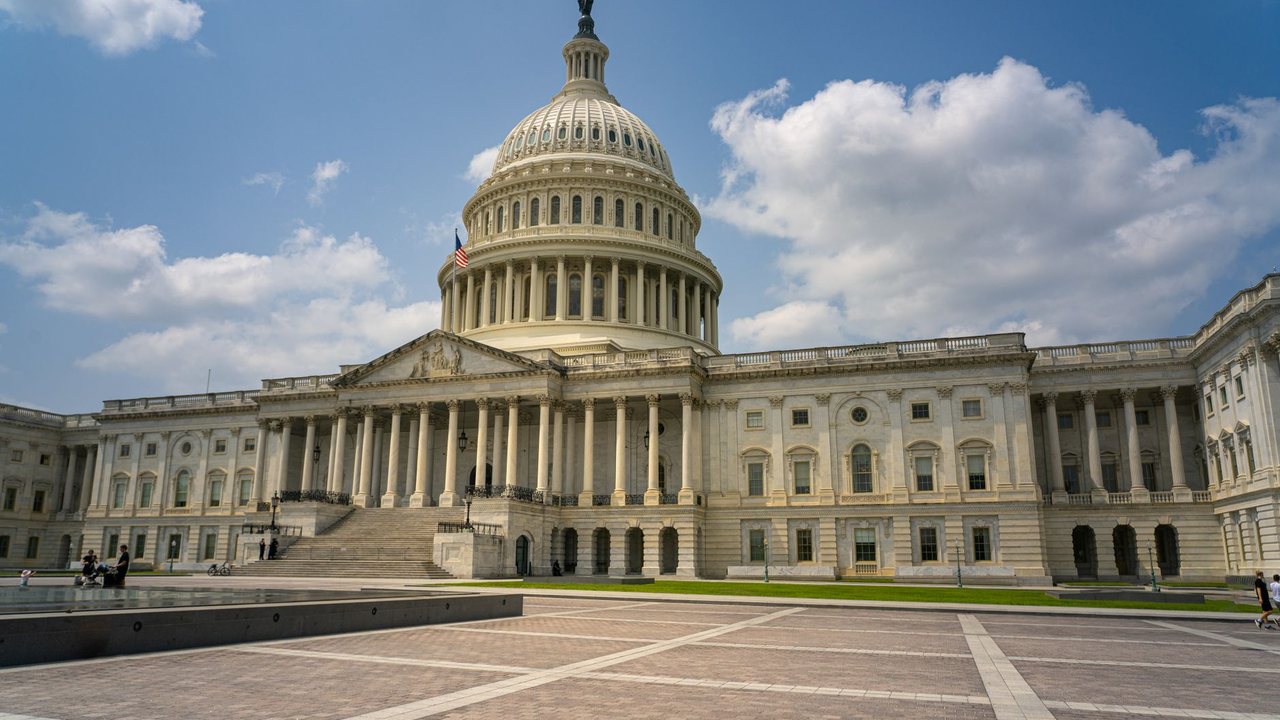
Photo: Ramon Perucho / Pexels (stock photo, for illustration).