
Key Takeaways
- South Africa modernized its visa and border processing systems in 2024, significantly reducing application times
- The Department of Home Affairs implemented digitization initiatives to streamline visa procedures and reduce wait times
- Multiple countries gained access to improved visa programs, making applications more efficient than in previous years
- Major international airports upgraded digital processing infrastructure for faster border clearance
- If visa complexity previously deterred you from visiting, now is an optimal time to reconsider a South Africa trip
Travel to South Africa involves flying into one of its international airports, clearing customs and immigration, and — depending on your nationality — obtaining a visa in advance or on arrival. South Africa has been modernizing its visa and border processing systems in recent years.
Why Travel to South Africa Has Become Easier
South Africa has been investing in its tourism infrastructure and digital systems. According to reports, e-visa processing times have improved for eligible applicants, with streamlined border processing at major entry points.
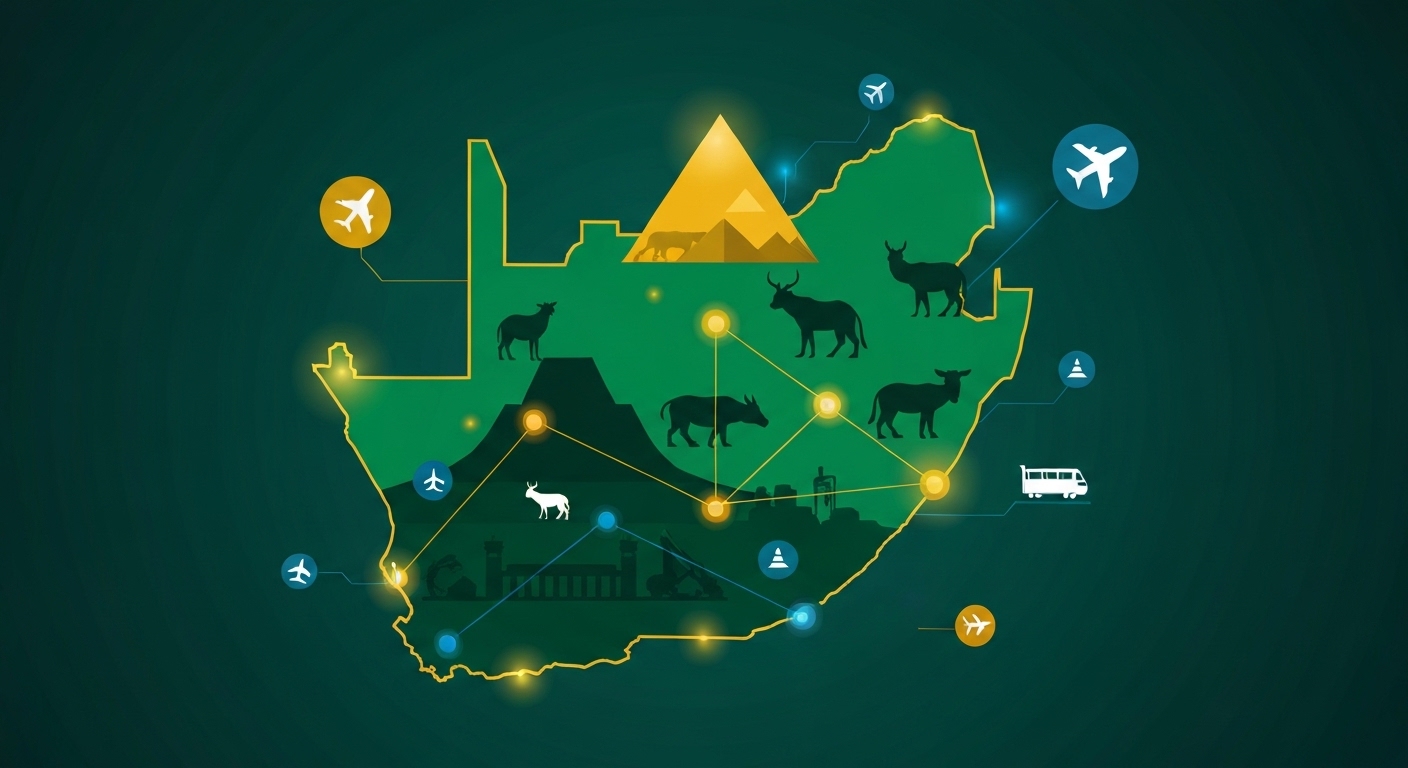
The Department of Home Affairs has reportedly undertaken digitization initiatives to improve visa application processing. According to various reports, these modernization efforts have aimed to reduce wait times and streamline procedures at entry points.
Reportedly, multiple countries have gained access to improved visa programs as part of ongoing updates to South Africa's immigration systems. If your passport is from one of these nations, visa application procedures may be more streamlined than in previous years.
South Africa's international airports have reportedly worked to upgrade their digital processing infrastructure in recent years. Border management authorities have been implementing digital improvements to enhance the traveler experience.
The short version: if visa procedures previously discouraged you from considering a South Africa trip, it may be worth reconsidering. (The natural attractions remain compelling in the meantime.)
No More Paperwork Marathons: The E-Visa System Explained
The e-visa rollout is the headline change for international travellers planning a South Africa vacation. Before 2024, the application process for many nationalities meant physical paperwork, embassy visits, and processing windows that felt like they were measured in geological time.
Now, for eligible applicants in key source markets, the system is online. You apply digitally. You get a response in approximately 24–48 hours. You print or save your approval and you go.
A rule of thumb worth knowing: check your country's specific eligibility before assuming you're covered. The 60+ nations with expedited access is a large number, but not every passport qualifies for the same tier of processing. South Africa's Department of Home Affairs maintains the official list — check there first, not a travel blog from 2019.
Processing times reportedly dropped by 30–40% across the board through digitisation, even for nationalities not on the fastest-track list. The old system wasn't broken, but it was creaky. The new one is considerably less so.
The Best Places to Visit in South Africa (And What Each One Is Actually For)
South Africa is not a single destination. It's about ten destinations wearing the same national flag. Here's how to think about it.
Kruger National Park is the classic safari. Nearly 2 million hectares. Big Five territory. If you've dreamed of watching a lion eat something at dawn, this is the postcode. It's also well-served by flights into Nelspruit (KMIA), which benefits from the airport digital upgrades.
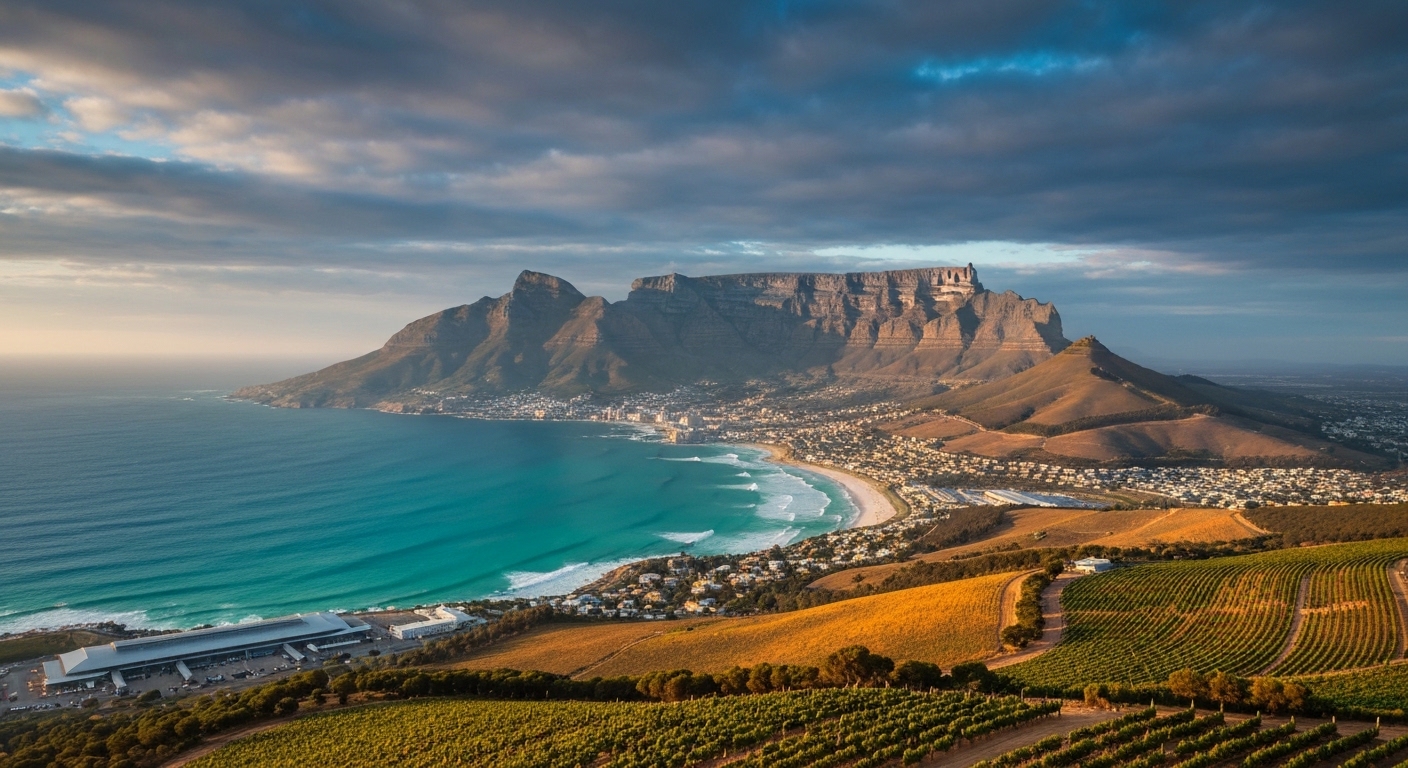
Cape Town is the urban-cultural leg of any South Africa travel guide worth reading. Table Mountain, the Winelands, the Cape Peninsula. It's genuinely one of the world's more beautiful cities and it knows it. (The mountain doesn't get shy about it.)
The Garden Route connects them. Coastal, green, dramatic. It's the road trip you didn't know you needed.
The Drakensberg is for the hiker who's done the Alps and wants something rawer. UNESCO World Heritage listed. Fewer crowds than you'd expect.
Johannesburg is the entry point for most long-haul travellers. O.R. Tambo International is among the 15+ airports that upgraded digital processing — your arrival experience here should be noticeably faster than it was a few years ago.
The Best Time to Visit South Africa Is Not When You Think
Most people default to the Northern Hemisphere summer — June, July, August. Ironically, that's South Africa's winter. And for safari, it's actually the best time to go. Vegetation thins, animals cluster around water sources, and game viewing is at its clearest.
For Cape Town and the Western Cape, summer (November to February) is the winner — warm, dry, and the winelands are in full swing.
Shoulder seasons (April–May, September–October) are worth considering if you want the best of both worlds at lower prices. Fewer tourists. Same wildlife. The kind of deal that feels too good to be true but isn't.
Avoid the coastal regions in June–August if you're expecting beach weather. You won't get it. You'll get a lovely woolly jumper moment instead.
What a South Africa Trip Actually Costs
South Africa is not a budget backpacker destination in the traditional sense, but it punches well above its weight on value — especially since the South African rand has historically traded favourably against the US dollar, pound, and euro.
As a rough guide: mid-range travellers can expect to spend meaningfully less per day than equivalent experiences in Europe or East Africa. A good safari lodge in the private reserves around Kruger will run into the hundreds of dollars per night — but that typically includes game drives, meals, and guides.
Budget tip: national park accommodation inside Kruger itself is far cheaper than private concessions and delivers an experience most people find genuinely extraordinary. Book early. It fills up.
Flights remain the biggest cost variable. South Africa vacation packages often bundle accommodation with international flights — worth comparing against booking independently depending on your origin city and travel dates.
Tourism contributes approximately 3–4% to South Africa's GDP, according to reports. The country has serious economic skin in the game when it comes to making your visit smooth. That motivation matters.
The Regional Picture: Africa-Wide Travel Is Shifting Too
This is the section most South Africa travel guides miss entirely. The 2024 changes weren't just about South Africa in isolation.
Multiple African nations reportedly streamlined reciprocal travel agreements with South Africa through mid-2024. That matters for multi-country trips — combining South Africa with Botswana, Zimbabwe, Zambia, or Mozambique has become administratively simpler.
The Kaza Univisa, for example, already covered Zimbabwe and Zambia for many nationalities. With broader reciprocal agreements tightening across Southern Africa, building a two-or-three-country southern Africa itinerary is more viable now than it was two years ago.
For travellers whose dream trip involves Victoria Falls AND Kruger AND Cape Town — that trip has become meaningfully easier to execute. Not seamless (that word is banned in this office), but smoother. Noticeably so.
According to the UN World Tourism Organization, Africa as a whole has been one of the stronger-recovering tourism regions post-2020. South Africa sits at the centre of that regional momentum.
An Honest Take: Is Now the Right Time to Book?
Yes. And here's why that's not just promotional boosterism.
The 2024 infrastructure changes are real and measurable — 30–40% processing time reductions, 60+ countries on expedited programs, 15+ airports with enhanced digital processing. These aren't vague promises. They're documented operational changes.
South Africa also sits in an interesting window right now. Tourism numbers are recovering post-pandemic toward the 10+ million annual international visitors the country was seeing before 2020, but haven't yet surged to the point where overtourism is a serious concern. You're going before the rush, not into the thick of it.
That said: this advice doesn't apply to everyone. If you're travelling on a passport with restricted access to the expedited programs, research your specific situation carefully before booking flights. And if you're visiting with young children or have specific medical requirements, the vaccination and health prep for South Africa is more involved than a European trip — budget time for that planning. (More on vaccinations in the FAQ below.)
My strong opinion: the combination of improved access infrastructure, favourable currency dynamics, and the sheer variety of experiences — safari, mountains, coast, cities, wine — makes South Africa one of the more objectively compelling long-haul destinations available right now. I've yet to meet someone who came back disappointed. The ones who regret it are the ones who didn't go.
The rand isn't getting weaker forever. Book it.
Is South Africa safe for tourists?
South Africa has areas that require genuine caution — Johannesburg's CBD and certain townships are not tourist-friendly without a guide. That said, tourist areas including the Winelands, the Garden Route, and safari lodges are generally well-managed and safe. The rule of thumb: be aware, not fearful. Most visitors complete their trips without incident. Do your research suburb by suburb, not country by country.
What is the best time to visit South Africa?
For safari in Kruger, June to September (dry season, South Africa's winter) is the best game-viewing window. For Cape Town and the coast, November to February is ideal. Shoulder seasons in April–May and September–October offer good conditions across the country with fewer crowds — the sweet spot most travellers discover too late.
How do I plan a trip to South Africa?
Start with your entry point — Johannesburg's O.R. Tambo or Cape Town International cover most itineraries. Decide whether you're safari-first or city-first, because the country is large and routing matters. Check your visa eligibility through South Africa's Department of Home Affairs, book accommodations early (especially Kruger camps), and allow at least 10–14 days to do the country any justice at all.
Is South Africa better than Kenya for safari?
Different, not better. Kenya's Maasai Mara offers the wildebeest migration spectacle — nothing else quite matches it for sheer scale. South Africa's Kruger and private reserves offer more accessible infrastructure, more diverse activities beyond game drives, and generally more favourable visa situations for many nationalities. If it's your first safari, South Africa is arguably the easier starting point. If you want the migration, go to Kenya.
How much does a trip to South Africa cost?
Flights are the biggest variable — expect long-haul costs from North America, Europe, or Asia. Once in-country, mid-range travel is genuinely good value given the rand exchange rate. Budget roughly $150–$300 per day for comfortable mid-range travel including accommodation, food, and activities. Private safari lodges can run $400–$800+ per night. Kruger national park camps are significantly cheaper and still extraordinary. South Africa vacation packages can offer savings worth comparing.
Do I need a visa to visit South Africa?
It depends on your passport. Citizens of many countries — including the US, UK, and most EU nations — have historically been able to enter visa-free for tourism stays. In 2024, South Africa expanded e-visa access for additional source markets, with processing reportedly completed in approximately 24–48 hours for eligible applicants. Always verify current requirements through South Africa's Department of Home Affairs before booking. Requirements change. Your 2019 intel may be outdated.
What vaccinations do I need for South Africa?
The Kruger region and other low-altitude bushveld areas are malaria zones — anti-malarials are strongly recommended. Hepatitis A and B, typhoid, and tetanus are standard recommendations for most international travellers. Yellow fever vaccination proof may be required if you're arriving from a yellow fever risk country. Consult a travel medicine clinic at least 4–6 weeks before departure. This is not a box-ticking exercise — it matters. (Your doctor will tell you the same thing, with less wit.)
Is South Africa worth visiting?
Genuinely yes — and I reckon you already suspected the answer or you wouldn't be reading this. South Africa offers one of the widest ranges of experiences of any single-country trip: Big Five safari, world-class wine, dramatic coastal scenery, living cultural history, and cities with serious culinary scenes. With pre-2024 annual international visitors exceeding 10 million, the global verdict is fairly consistent. It's worth it. Go before everyone else figures that out again.
The Bottom Line
Travel to South Africa in 2024 is faster to arrange, cheaper to process, and smoother to enter than it has been in years. The e-visa expansion, the 30–40% processing time reduction, the airport upgrades across 15+ international entry points — these are real changes with real consequences for anyone who's been putting this trip off.
The country hasn't changed — it's still vast, dramatic, and genuinely overwhelming in the best possible way. But the door to get in just got considerably wider. You bring the sunscreen. South Africa will handle the rest.
And if anyone asks why you finally booked it — you can honestly say you heard it was a real game-changer.