
Key Takeaways
- The Supreme Court will review President Trump's executive order suspending asylum access at the southern border.
- Immigrant-rights groups argue the order unlawfully strips protections from people fleeing persecution.
- The decision comes amid significant Democratic gains in the midterm elections.
- Democrats are preparing investigations into administration actions, including the asylum ban.
What Happened
The Supreme Court has agreed to review President Donald Trump's executive order that suspends asylum access at the southern border. This decision marks a significant development in the ongoing debate over U.S. immigration policy and the extent of presidential authority in matters of national security and border control.
The executive order, issued earlier this year, aimed to restrict asylum claims from migrants attempting to enter the United States through the southern border. The administration argues that the order is necessary to maintain national security and uphold the integrity of the immigration system. However, immigrant-rights groups contend that the order unlawfully strips protections from individuals fleeing persecution, violating both domestic and international laws.
The Background
Asylum is a form of international protection given to individuals in the United States who have suffered persecution or have a well-founded fear of persecution due to race, religion, nationality, membership in a particular social group, or political opinion. The U.S. has long been a destination for individuals seeking asylum, with laws and treaties in place to protect these individuals.
President Trump's executive order represents a significant shift in U.S. immigration policy, reflecting his administration's broader efforts to tighten immigration controls and address concerns over illegal immigration and border security. The order has faced immediate legal challenges, with critics arguing that it undermines the rights of asylum seekers and contravenes established legal protections.
What Each Side Says
The Trump administration maintains that the executive order is a necessary measure to protect national security and ensure that the asylum process is not exploited by individuals who do not meet the criteria for asylum. Administration officials argue that the order is within the president's authority to regulate immigration and protect the nation's borders.
Immigrant-rights groups, including the American Civil Liberties Union (ACLU), argue that the order unlawfully denies individuals the right to seek asylum, a right enshrined in both U.S. law and international treaties. They contend that the order violates the Immigration and Nationality Act, which allows individuals to apply for asylum regardless of how they enter the country, and the Refugee Convention, which prohibits the expulsion or return of a refugee to territories where their life or freedom would be threatened.
What Happens Next
The Supreme Court's decision to review the case sets the stage for a significant legal battle over the scope of presidential authority in immigration matters. The Court's ruling could have far-reaching implications for U.S. immigration policy, potentially altering the procedures and criteria for asylum claims at the southern border.
In the meantime, the executive order remains in effect, with the administration continuing to enforce the suspension of asylum access. Legal challenges are ongoing, with lower courts issuing conflicting rulings on the legality of the order. The Supreme Court's intervention is expected to provide a definitive interpretation of the law and the president's authority in this area.
Why It Matters
The Supreme Court's review of the asylum ban is a pivotal moment in the ongoing debate over U.S. immigration policy. The outcome of this case will not only determine the future of asylum access at the southern border but also set a precedent for the extent of presidential power in regulating immigration. Given the contentious nature of immigration policy in the United States, the Court's decision will likely influence future legislative and executive actions related to immigration and asylum.
Timeline
- November 14, 2026: The Supreme Court agrees to review President Trump's executive order suspending asylum access at the southern border.
- November 15, 2026: Immigrant-rights groups file briefs urging the Court to uphold lower court rulings that blocked the order.
- November 16, 2026: The Trump administration files a brief defending the legality of the executive order.
Frequently Asked Questions
What is the Supreme Court reviewing?
The Supreme Court is reviewing President Trump's executive order that suspends asylum access at the southern border, a move that has been challenged by immigrant-rights groups as unlawful.
Why is this case significant?
This case is significant because it will determine the legality of the executive order and could set a precedent for the extent of presidential authority in regulating immigration.
What are the arguments against the executive order?
Critics argue that the executive order unlawfully denies individuals the right to seek asylum, violating both U.S. law and international treaties.
What happens next?
The Supreme Court will hear arguments in the case, with a decision expected in the coming months. In the meantime, the executive order remains in effect, pending further legal challenges.
Sources
- KVIA: Supreme Court to decide if Trump may bar most asylum claims at the southern border
- American News Brief: Supreme Court Takes Up Trump Asylum Ban
- WFTV: Supreme Court will consider Trump’s executive order suspending asylum access at the southern border
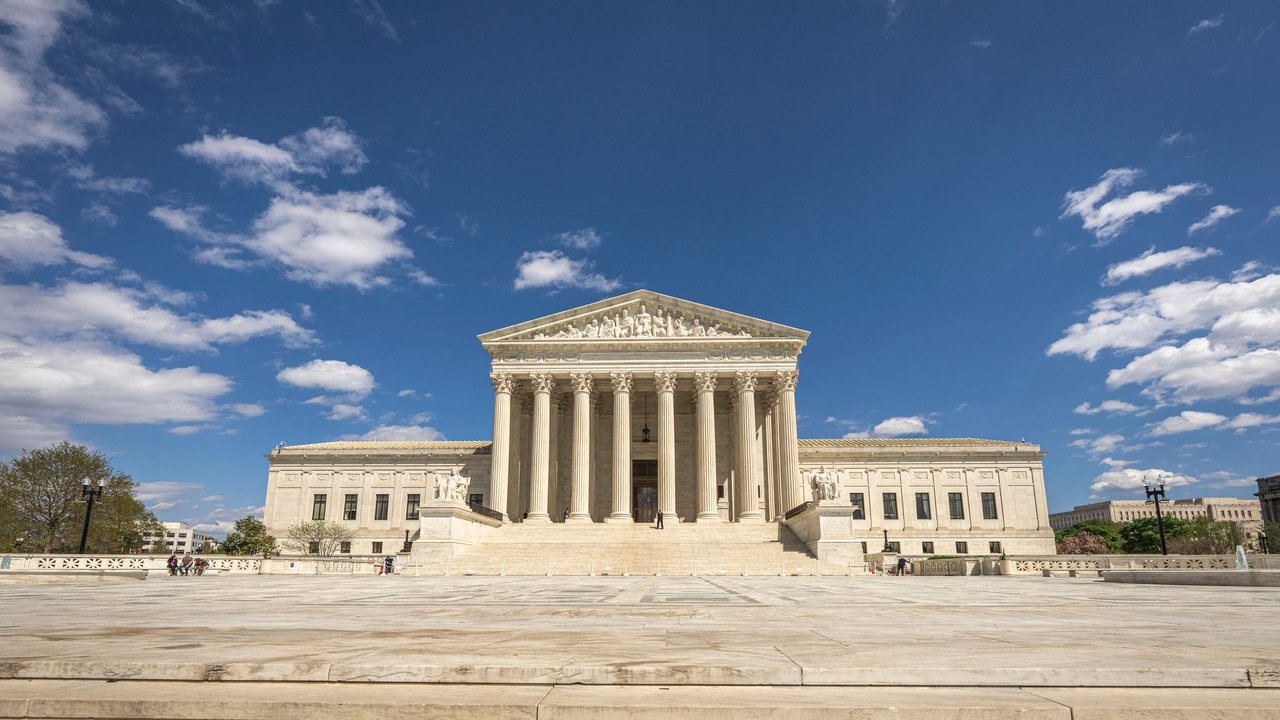
Photo: Mark Stebnicki / Pexels (stock photo, for illustration).