
Key Takeaways
- The Supreme Court declined to hear three conservative challenges to DEI policies.
- This decision leaves lower-court rulings intact, allowing DEI initiatives to continue.
- The cases involved federal research grants and state-level DEI training requirements.
- The decision offers a temporary reprieve for DEI initiatives amid ongoing political and legal debates.
What Happened
In a significant move, the Supreme Court declined to hear three conservative challenges to diversity, equity, and inclusion (DEI) policies, effectively leaving lower-court rulings intact. This decision allows DEI initiatives to continue without immediate legal obstacles. The cases involved federal research grants and state-level DEI training requirements, highlighting the ongoing national debate over such policies.
The Background
DEI policies have been at the center of political and legal debates in recent years. Conservative groups have argued that these initiatives promote ideological conformity and discriminate against individuals with differing viewpoints. In contrast, proponents contend that DEI policies are essential for fostering inclusive environments and addressing systemic inequalities.
What Each Side Says
Conservative groups, including President Trump's administration, have actively challenged DEI policies. They argue that such initiatives impose ideological conformity and discriminate against individuals with differing viewpoints. For instance, the Justice Department argued that continuing federal research grants to University of California researchers, who were targeted over their perceived DEI-related views, would make taxpayers fund ideologies rejected by public officials.
On the other hand, proponents of DEI policies emphasize their importance in creating inclusive environments and addressing systemic inequalities. They argue that such initiatives are crucial for promoting diversity and ensuring equal opportunities for all individuals, regardless of their background.
What Happens Next
With the Supreme Court declining to hear these cases, the lower-court rulings stand, allowing DEI initiatives to continue without immediate legal challenges. However, the broader debate over DEI policies is likely to persist, with potential for future legal challenges and political discussions. Stakeholders on both sides will continue to advocate for their positions, and the landscape of DEI policies may evolve in response to ongoing debates and legal developments.
Why It Matters
This decision is significant as it reflects the Supreme Court's stance on DEI policies and their place in American institutions. By declining to hear these challenges, the Court has allowed DEI initiatives to continue, providing a temporary reprieve amid ongoing political and legal debates. The outcome of such cases can influence the implementation and future of DEI policies across various sectors, including education, employment, and government operations.
Timeline
- November 16, 2026: Supreme Court declines to hear three conservative challenges to DEI policies, leaving lower-court rulings intact.
- Prior to November 16, 2026: Conservative groups filed lawsuits challenging DEI initiatives, including federal research grants and state-level DEI training requirements.
- Prior to November 16, 2026: Lower courts issued rulings in favor of DEI policies, allowing them to continue without immediate legal obstacles.
Frequently Asked Questions
What are DEI policies?
DEI stands for Diversity, Equity, and Inclusion. These policies aim to promote inclusive environments by addressing systemic inequalities and ensuring equal opportunities for all individuals, regardless of their background.
Why did the Supreme Court decline to hear these cases?
The Supreme Court declined to hear the cases, effectively leaving the lower-court rulings intact. This decision allows DEI initiatives to continue without immediate legal challenges.
What were the specific cases involved?
The cases involved challenges to federal research grants for University of California researchers and state-level DEI training requirements, including restrictions on misgendering and deadnaming during legislative hearings in Colorado and mandatory implicit-bias training for medical education in California.
What does this mean for DEI initiatives?
The decision provides a temporary reprieve for DEI initiatives, allowing them to continue without immediate legal obstacles. However, the broader debate over DEI policies is likely to persist, with potential for future legal challenges and political discussions.
Could there be future legal challenges to DEI policies?
Yes, the broader debate over DEI policies is likely to persist, with potential for future legal challenges and political discussions. Stakeholders on both sides will continue to advocate for their positions, and the landscape of DEI policies may evolve in response to ongoing debates and legal developments.
Sources
- Axios: SCOTUS gives DEI a boost after national assault
- Washington Post: Supreme Court rebuffs Trump administration appeal over DEI funding cuts
- WSB-TV Channel 2: Supreme Court rebuffs Trump administration appeal over DEI funding cuts
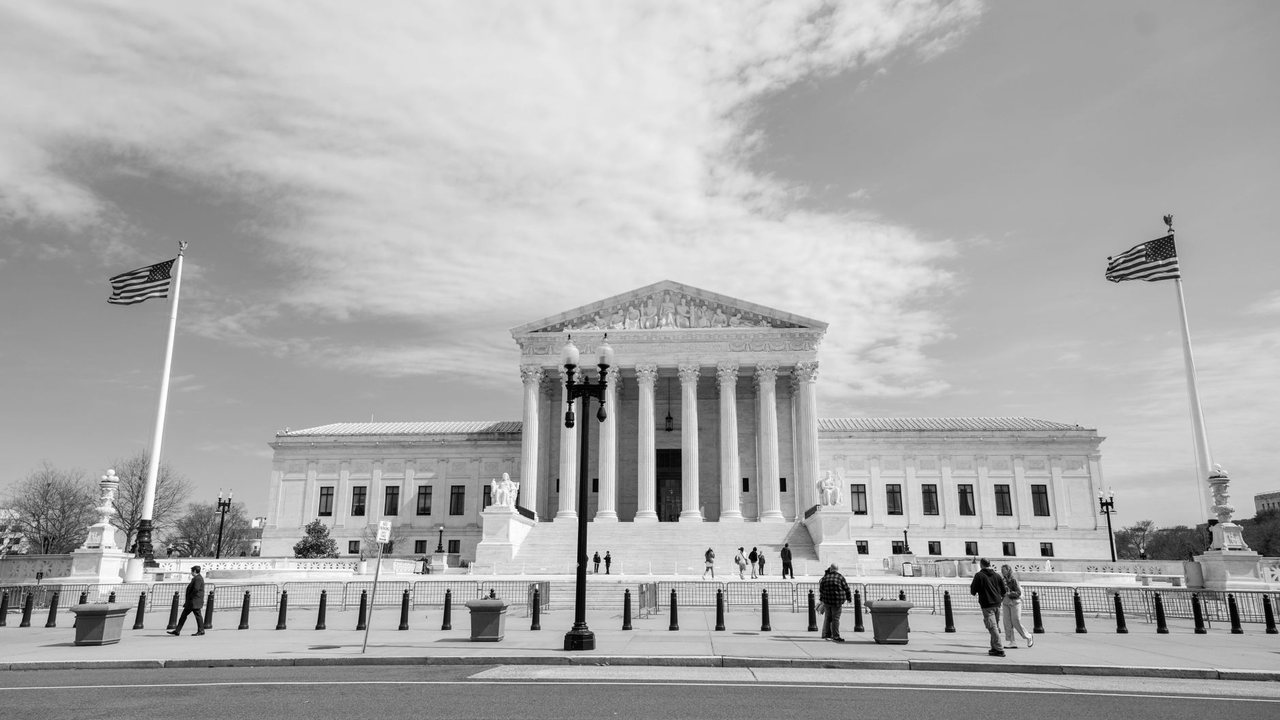
Photo: Quang Vuong / Pexels (stock photo, for illustration).