
Key Takeaways
- Sony plans to discontinue physical disc production for new PlayStation games around 2028
- Existing physical game libraries and disc-based consoles will continue to work normally
- New game releases may transition to digital-only distribution after 2028
- This shift marks the end of physical media across five PlayStation console generations
- Players who own physical collections won't lose access, but future purchases will be digital-only
According to reports, Sony may discontinue physical disc production for new PlayStation games around 2028, potentially marking a shift toward digital-only distribution. Existing physical titles and disc-based PlayStation consoles would continue functioning, but new releases may transition to digital-only formats.
PlayStation Physical Discs and 2028: What Reports Suggest About Sony's Digital Future
Reports have circulated in gaming communities suggesting Sony may phase out physical game discs by 2028 — a potential shift that has generated considerable discussion. According to various industry reports, Sony has reportedly considered discontinuing manufacturing of physical game discs for new PlayStation titles by around 2028, potentially ending a format that has distributed numerous discs across five console generations. Whether you maintain a collection of physical cases or transitioned to digital years ago, such a move would represent a significant change in game purchasing. Here's what the reports suggest about what may happen and what it could mean for players.
What Reports Suggest About Sony's Plans
According to industry reports, Sony has reportedly considered discontinuing physical PlayStation game disc production around 2028. The key distinction is that such a change would reportedly apply to new games only. Physical discs for previously released titles would not be affected. Existing game libraries would remain playable.
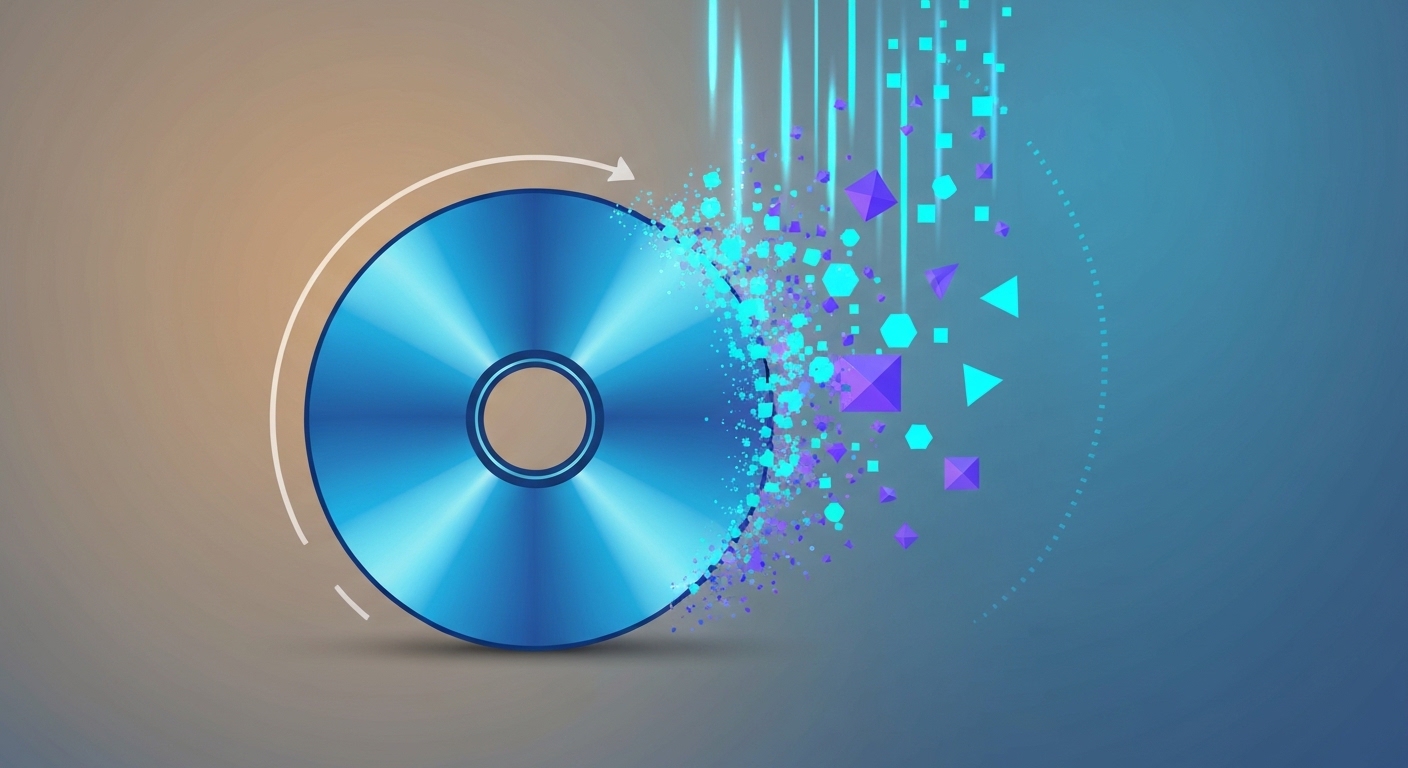
According to reports, the change would affect the release pipeline. If this transition occurs around 2028, new game releases would reportedly be distributed digitally. No physical box. No retail case.
. No disc. You buy it from the PlayStation Store, download it, and it lives on your console or an external drive.The gaming community reaction was, predictably, not calm. Concerns about ownership rights, preservation, and what happens when servers go down have dominated forums ever since. Fair enough — those are legitimate questions, not just nostalgia talking.
January 2028: The End Date Explained
January 2028 is the reported target for when disc manufacturing stops. That's roughly three to four years from the announcement — a timeline that sounds generous until you realise how long it takes publishers, retailers, and supply chains to restructure around a format change of this scale.
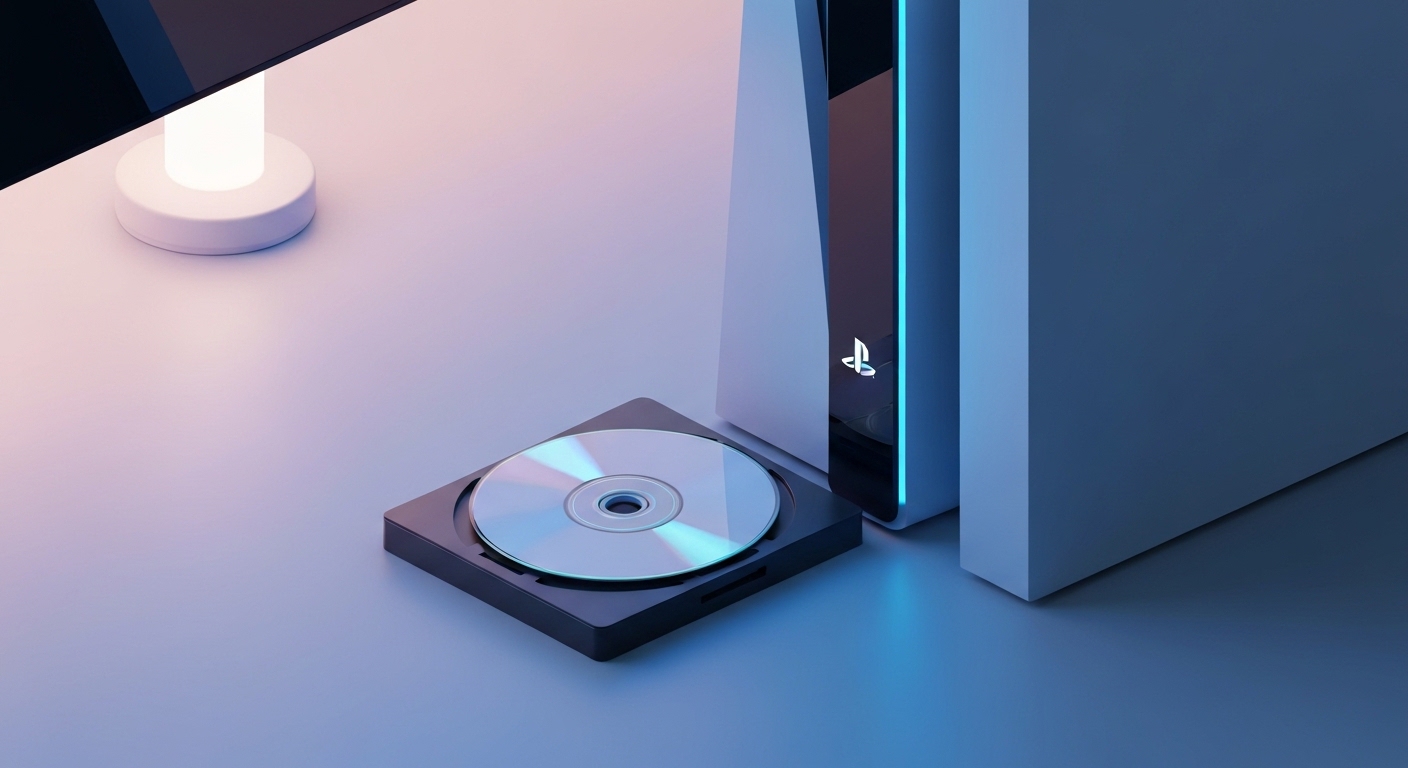
Sony reportedly plans to continue supporting disc-based consoles through digital storefronts post-2028. So if you've got a standard PS5 with a disc drive, it doesn't become a doorstop. You just can't feed it anything new in physical form.
What remains reportedly unclear is the backward compatibility picture beyond 2028 — specifically how long Sony commits to keeping older titles accessible on digital storefronts. That ambiguity is the real anxiety underneath this whole conversation.
Your Existing Disc Library Is Safe — For Now
Your existing physical games still work. Full stop. Discs don't stop spinning on January 1, 2028 like some kind of gaming Y2K. The PlayStation 5 disc edition reads discs fine, and nothing about this announcement changes that.
Think of it less like a ban and more like a retirement. The format isn't outlawed — it's just not being printed anymore. Like buying a vinyl record in 2001. Plenty were still around. Pressing plants just stopped making new ones for mainstream releases.
The practical concern isn't today. It's five, ten, fifteen years from now — when discs degrade, consoles fail, and the only option is a digital storefront that may or may not still stock that 2019 title you want to replay. That's where preservation advocates are right to be nervous.
Why Sony Did This (Follow the Money)
Digital game sales reportedly account for approximately 60–70% of PlayStation game purchases as of 2024. Across major platforms industry-wide, digital revenue reportedly tops 90% of total game revenue. Sony isn't abandoning a thriving format — it's cutting loose a format already on life support.
Disc manufacturing reportedly costs approximately 15–25% more than digital distribution infrastructure. That's not a rounding error. At PlayStation's scale, that's a significant margin reclaimed with every title that goes digital-only.
There's also the storefront angle. Every digital purchase goes through the PlayStation Store. Sony takes a cut. Physical sales go through retailers, and Sony's cut shrinks considerably. The incentive structure here is not subtle. (I know how that sounds. Sony knows how it sounds too.)
PlayStation 5 digital edition console sales reportedly represent approximately 25–35% of total PS5 units sold. A growing slice of the existing player base is already all-digital. Sony isn't dragging customers somewhere they don't want to go — they're formalising where customers are already heading.
What This Means for Your PS5 Right Now
If you own a PS5 with a disc drive, nothing changes immediately. Play what you've got. Buy physical releases while they still exist. Stock up on anything you know you'll want to replay — because once the shelves stop getting restocked with new titles, the secondhand market becomes the only physical option.
If you own a PS5 Digital Edition, this transition is invisible to you. You were already living in 2028. Welcome to the future — it looks remarkably like the present, just with less shelf space.
The PS6, whenever it arrives, is widely expected to ship without a disc drive at all. Sony phasing out physical PlayStation discs now sets the stage for that hardware decision to land with less friction. By 2028, the transition will feel natural. That's the play.
Publishers and Retailers Are Scrambling
The transition timeline creates real pressure for publishers and physical retailers. Game publishers need to wind down disc production runs, manage existing inventory, and restructure marketing around digital launches. That's a supply chain upheaval measured in years, not months.
Physical game retailers — already under pressure from digital adoption trends — face an existential question. If new releases stop arriving in boxes, what exactly fills those shelves? Accessories, merchandise, and pre-owned discs of older titles can only carry so much weight.
There's an argument that this is simply the natural conclusion of a trend that's been accelerating since the mid-2020s. There's also an argument that moving the timeline up to a hard cut kills businesses that haven't had enough runway to adapt. Both arguments are right, which is what makes this genuinely controversial rather than just knee-jerk nostalgia.
Your Game Library and the Death of Resale
This is the edge nobody wants to talk about honestly: when gaming goes all-digital, the secondhand market goes with it.
Right now, you can buy a physical game, finish it, and sell it. You get some money back. The next person gets the game cheaper. Nobody at Sony sees a cent of that transaction after the first sale. That's the exhaustion doctrine — you bought it, you can resell it.
Digital games don't work that way. You can't resell them. You can't lend them. You can't transfer them to a family member who wants to play. You license the game. Sony retains the ability to yank it from your library if a licensing deal expires or a storefront shuts down. (The fact that you're still reading suggests your problem is worse than you thought.)
The Electronic Frontier Foundation has documented extensively how digital ownership is structurally weaker than physical ownership. This isn't a fringe concern — it's a legal and practical reality that the PlayStation going all-digital 2028 shift makes permanent for new titles.
For collectors, the resale market impact is immediate and significant. Physical game prices for popular titles will likely rise as supply stops growing. That's basic economics. It's also cold comfort for anyone who just wanted to trade in a game they finished.
The Environmental Side Nobody's Talking About
Here's the edge topic that keeps getting buried: ending disc production has an actual environmental upside.
Physical game discs involve polycarbonate plastic, aluminium, dyes, printed inserts, plastic cases, cardboard packaging, and global shipping logistics. Approximately 1 billion physical PlayStation discs have shipped across five console generations. That's an enormous amount of plastic sitting in landfills, lofts, and charity shop bargain bins.
Digital distribution doesn't eliminate environmental cost — data centres consume significant energy, and that footprint is real. But per-unit, the environmental case for removing disc manufacturing is reasonably strong. Sony hasn't foregrounded this angle in any reported communication, which tells you they know the headline is "Sony takes away your games" and not "Sony goes green."
According to reporting from The Guardian's games coverage, the games industry has faced growing scrutiny over physical media waste. The disc discontinuation, whatever Sony's primary motivation, does address part of that criticism.
Here's My Honest Take: This Is a Problem
Strong opinion incoming: the economics make sense for Sony. The experience is worse for players. Both things are true simultaneously.
When disc manufacturing reportedly costs 15–25% more than digital infrastructure, Sony's motivation is profit margin, not player experience. And that's fine — they're a business. But let's not pretend the all-digital future is primarily a gift to consumers.
The real issue is permanence. Physical media survives server shutdowns. A disc from 1997 still plays. A digital licence from 2024 depends entirely on whether the storefront hosting it still exists in 2040. The Smithsonian Institution's digital preservation resources outline exactly why this matters — digital formats without physical backups are inherently fragile over long time horizons.
My actual advice: if you have a disc-drive PS5 and there are games you know you'll want to keep forever, buy the physical version now. Not because discs are objectively better — they're not, day-to-day. But because physical ownership is unconditional in a way digital licensing is not. The $59 you pay for a disc is yours permanently. The $59 you pay for a digital licence is yours until it isn't. That four-year window before 2028 is real time to make deliberate choices about your library.
Tell readers when NOT to do something — so here: don't panic-buy every disc you see. Be selective. Focus on titles you'll genuinely replay and those from smaller publishers who may not maintain digital storefronts long-term.
Is Sony really ending physical PlayStation discs in 2028?
Yes, reportedly. Sony announced in 2024 that physical disc manufacturing for new PlayStation games would end by January 2028. Existing physical titles and disc-capable consoles remain unaffected — only new releases after that date will be digital-only. Consider it the last pressing, not the last playing. The discs you have don't disappear; the factory just goes quiet.
Will PlayStation 5 games still work after 2028?
Yes. If you own physical PS5 games today, they will still play after 2028. Your disc drive doesn't become decorative. Sony reportedly plans to continue supporting disc-based consoles through digital storefronts post-2028. What changes is that no new games will be issued physically. Think of it as the format retiring rather than dying — your library survives, the printing presses don't.
How do I switch from physical to digital PlayStation games?
You don't need to switch all at once. Create or log into your PlayStation Network account, access the PlayStation Store from your PS5 dashboard, and purchase games digitally. Downloads go straight to your console storage. The practical issue is storage space — digital libraries eat drives faster than physical shelves. An external SSD is worth the investment before you go fully digital.
Physical vs digital PlayStation games: which is better?
Physical gives you true ownership, resale rights, and permanence. Digital gives you convenience, instant access, and no disc to scratch or lose. Nine times out of ten, convenience wins for casual players. But for collectors and anyone who cares about long-term access to their library without depending on a corporate server staying online, physical is structurally stronger. The answer depends entirely on how you actually use your games.
How much do digital PlayStation games cost compared to discs?
At launch, prices are broadly comparable — typically $69–$79 for new AAA titles in either format. The difference shows up over time. Physical discs can be resold or bought secondhand at significant discounts. Digital games can't be resold, but they do go on sale more frequently on the PlayStation Store. Rule of thumb: if you'll finish a game and move on, digital sales can be cheaper. If you replay or trade, physical wins financially.
What does 'all-digital PlayStation' mean for beginners?
It means buying games the way you buy apps on a phone — through an online store, downloaded directly to your console. No disc, no box, no physical product. The game lives in your console's storage or an external drive. It's genuinely convenient until the internet goes down, your storage fills up, or a game gets pulled from the store. None of those things happen constantly. They do happen occasionally, which is worth knowing upfront.
Can I still resell or trade digital PlayStation games?
No. This is one of the genuinely significant downsides of the all-digital shift. Digital game purchases are licences tied to your account. You cannot resell them, trade them, lend them, or transfer them. Once the PlayStation going all-digital 2028 transition completes for new titles, the secondhand market disappears for anything released after that date. Existing physical titles can still be resold — that market continues for the back catalogue.
Does ending physical discs mean you don't really own your games?
Legally, you own a licence to access the game — not the game itself. That's been true of digital purchases for years; the disc discontinuation just makes it the only option for new titles. The practical consequence is that if Sony's servers go down, a licensing deal expires, or a title gets delisted, access disappears. A disc never gets delisted. It's a real distinction that matters most for long-term preservation. (No, that's not a conspiracy theory — it's the terms of service.)
What happens to game preservation after 2028?
This is the question the games industry hasn't answered well. Physical media survives server shutdowns. Digital-only games depend on storefronts remaining active. Preservation organisations like the Video Game History Foundation have documented multiple cases of games becoming permanently inaccessible after storefronts closed. Post-2028, every new PlayStation title exists only at Sony's discretion. That's not scare-mongering — it's the structural reality of licence-based digital distribution.
The Bottom Line
Sony discontinuing PlayStation game discs by January 2028 is a business decision dressed as progress. The economics are real — disc manufacturing reportedly costs 15–25% more than digital distribution, and approximately 60–70% of PlayStation purchases are already digital. The direction was always here. The announcement just put a date on it.
Your existing library is fine. Your disc drive still works. Your future purchases, from 2028 onwards, live entirely on Sony's servers. That's the honest summary. Whether that bothers you depends entirely on how much you trust corporate servers to be there in 2040 — and on whether you've still got space on your shelf. Use the next four years wisely. Buy deliberately. And maybe don't scratch your discs.