
Key Takeaways
- Kobo launched a Goodreads competitor built into its ecosystem with book tracking, community features, and reading challenges
- Goodreads has faced criticism for stagnant updates and technical issues since Amazon's 2013 acquisition
- Kobo's platform emphasizes independent bookstores and non-Amazon publishing as a key differentiator
- This is Goodreads' first serious competitor in over a decade
- Kobo is backed by Rakuten, giving it significant e-commerce infrastructure and resources
Kobo's Goodreads rival is a social reading platform built directly into the Kobo ecosystem, offering book tracking, community features, reading challenges, and author discovery — all without Amazon's corporate fingerprints. It targets readers frustrated with Goodreads' reported stagnation in recent years, and leans heavily into independent bookstores and non-Amazon publishing. (Kobo Goodreads rival explained below.)
The book tracking app nobody asked for — and everybody needed
Goodreads was founded in 2007 and has been a prominent social reading platform for years. It has reportedly faced criticism for stagnant updates and technical issues. The platform has millions of users and is owned by Amazon, which acquired it in 2013 — a relationship that has reportedly shaped the platform's development trajectory.
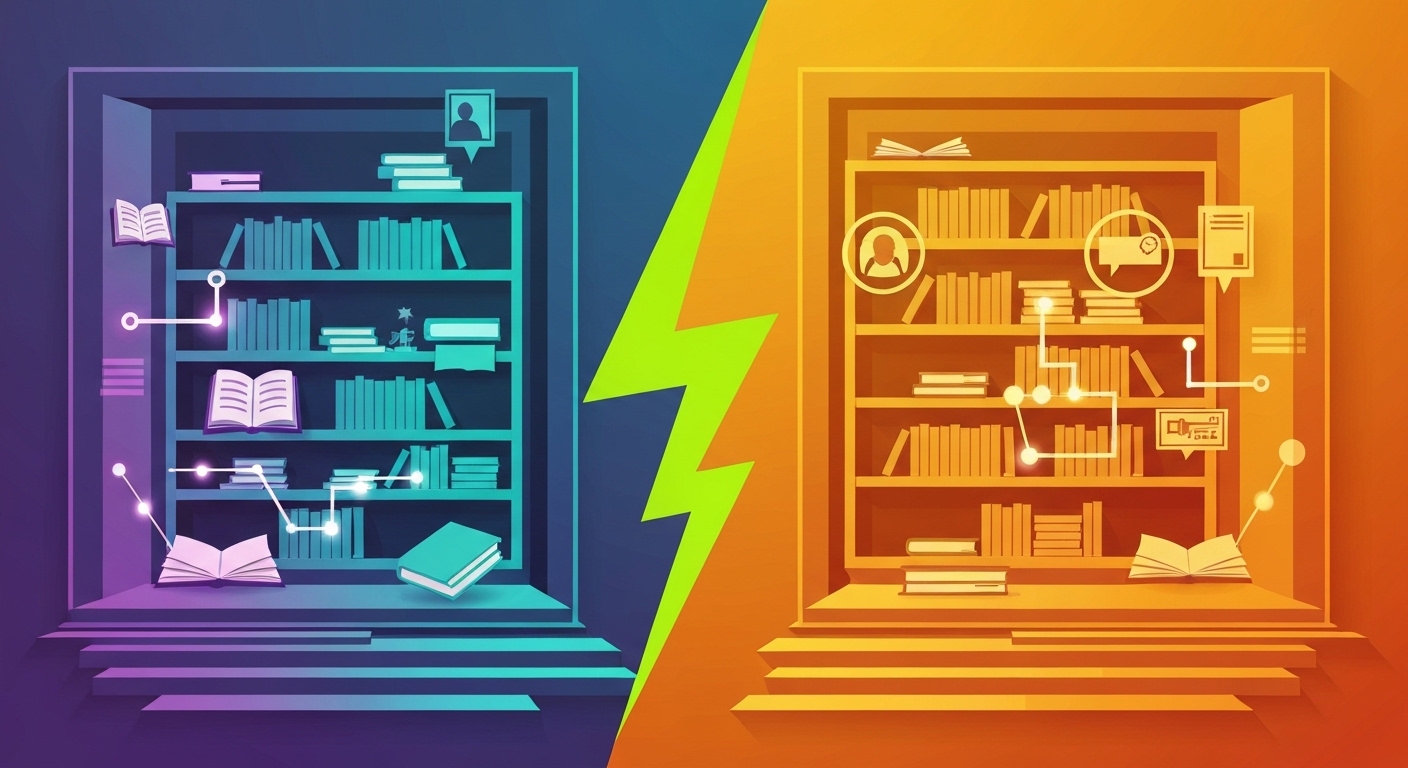
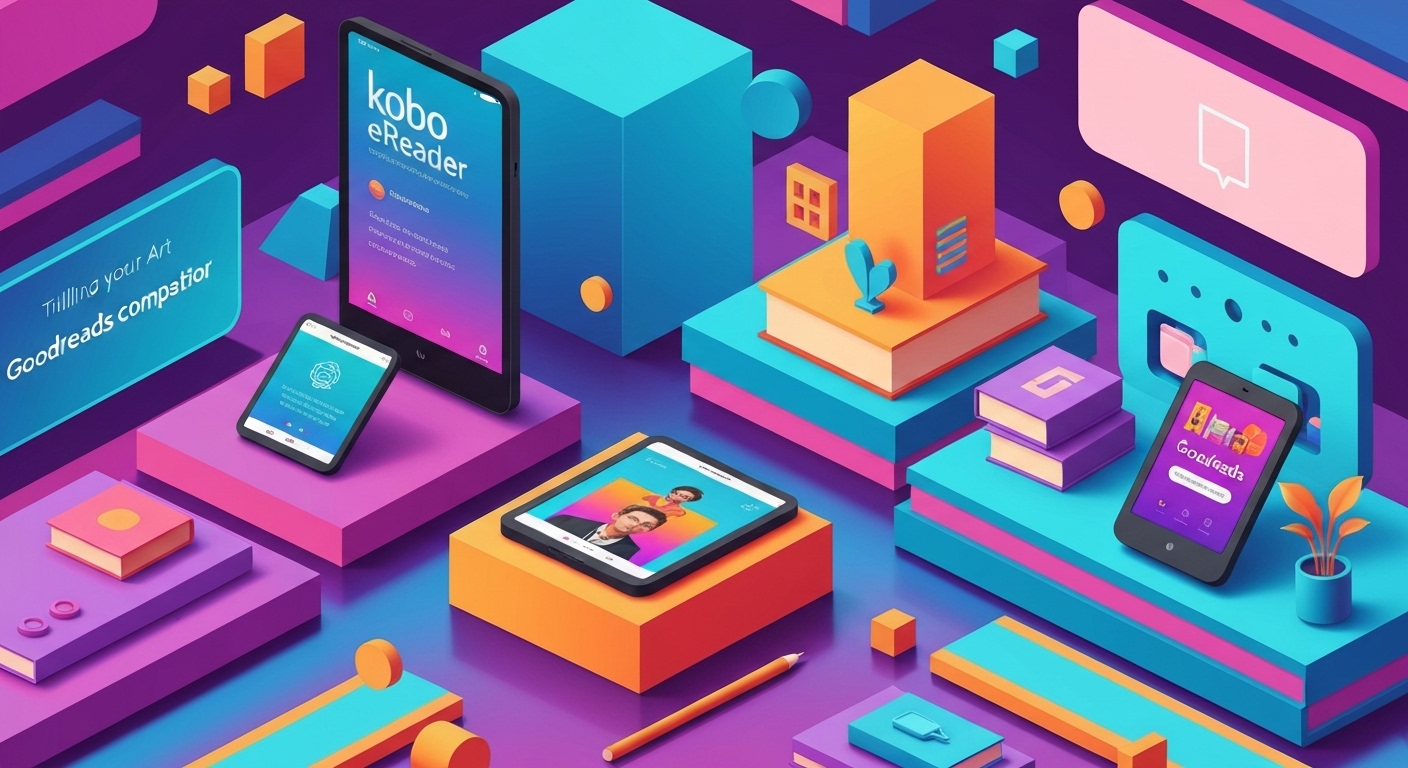
Into this gap walks Kobo. The Canadian ebook company, owned by Japanese e-commerce giant Rakuten, has launched a social reading platform designed to do what Goodreads does — tracking books, rating reads, connecting with other readers — but without the Amazon overhead. The platform reportedly aims to offer a refreshed approach to social reading features.
Whether it gains significant market traction is a different question. But the fact that a Kobo Goodreads rival now exists at all? That matters more than people are giving it credit for.
Goodreads is ripe for disruption — and it has been for years
Amazon acquired Goodreads in 2013 for a reported $150 million. At the time, Goodreads had approximately 16 million members. Today it reportedly hosts approximately 125 million book reviews and tens of milli of users. By any measure, that's growth.
By any other measure, the product has barely moved.
The Android app still crashes on mid-range phones. The recommendation algorithm is, generously speaking, vibes-based. The UI looks like someone designed it in 2009 and then went on a very long holiday. (They did. It's called "being acquired by Amazon and deprioritised.")
User frustration has been building since roughly 2020. Threads on Reddit's r/Goodreads regularly hit thousands of upvotes complaining about the same three things: broken features, zero meaningful updates, and the creeping unease of having your entire reading history inside an Amazon product while Amazon sells you the books you're reading.
That's the environment Kobo stepped into. Not a market without a leader — a market with a leader who stopped trying.
What Kobo actually built
Kobo's social reading platform isn't a standalone app bolted onto the side of their ebook business. It's woven directly into the Kobo ecosystem — their eReaders, their Kobo app, their existing library infrastructure. That's actually the smart play.
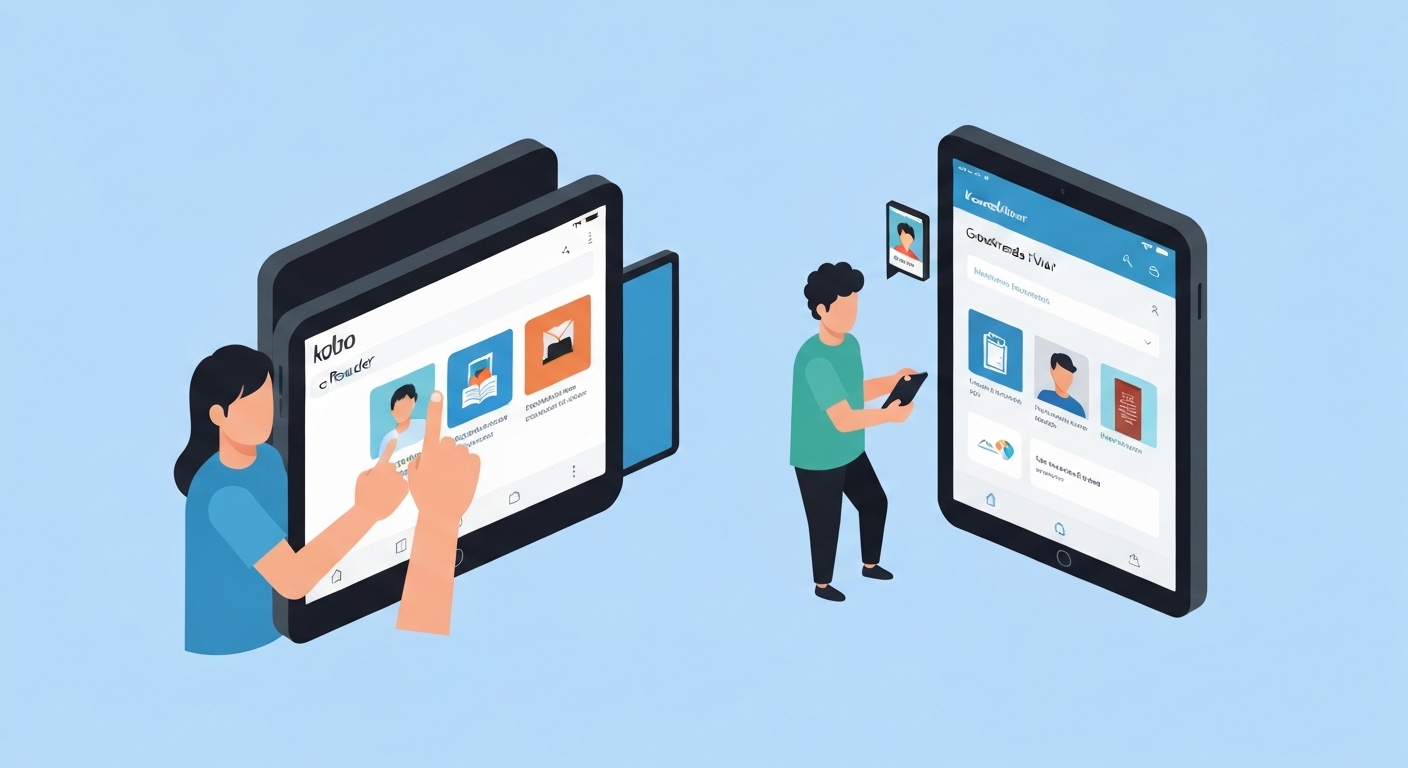
Here's what the platform reportedly includes:
- Book tracking — marking books as read, reading, or want-to-read, with reading progress synced from your Kobo device automatically
- Reading challenges — annual and custom goals, similar to Goodreads' Reading Challenge feature
- Community features — the ability to follow other readers, see what friends are reading, and share reviews
- Author discovery — curated recommendations that reportedly go beyond "you bought this, so buy this other thing by the same author"
- Independent bookstore integration — a significant differentiator, which we'll get to shortly
The book tracking piece is where Kobo has a structural advantage Goodreads simply cannot match. When you read on a Kobo device, your progress is already there. Goodreads requires manual updates or a finicky API sync. Kobo's tracking just... knows. (Nine times out of ten, that kind of friction reduction is what actually changes user behaviour.)
Kobo reading platform vs Goodreads: the honest comparison
Let's not pretend this is a clean win for Kobo. It isn't. Not yet.
Goodreads has a reported 125 million-plus reviews. That's a mountain of data that took 15 years to build. Kobo is starting from a smaller base, even accounting for their existing customer community. Network effects are brutal in social platforms — people go where their friends already are, and right now, most readers' friends are on Goodreads.
That said, here's the honest scorecard:
| Feature | Goodreads | Kobo Platform |
|---|---|---|
| Book catalogue size | Enormous | Growing |
| Review volume | 125M+ reviews | Early stage |
| Device integration | Basic (Kindle-first) | Native (Kobo-first) |
| Reading progress sync | Manual/API | Automatic |
| Indie bookstore support | Minimal | Core feature |
| Amazon independence | None | Complete |
| Recent feature updates | Rare | Active development |
The rule of thumb in platform competition: you don't need to beat the incumbent on every dimension. You need to be meaningfully better on the dimensions that matter most to the users who are already annoyed. Kobo ticks that box for a specific and vocal group of readers.
The indie bookstore angle nobody else is covering
Here's the edge topic most coverage of Kobo's platform is skipping: the independent bookstore play is strategically brilliant, and possibly more important than the social features.
Amazon controls an estimated 80–90% of the English-language ebook market. Goodreads, as an Amazon property, has no structural incentive to route readers toward non-Amazon purchases. Every recommendation on Goodreads is a funnel — it ends at an Amazon product page.
Kobo, backed by Rakuten, has spent years building relationships with independent bookstores through their Kobo ecosystem. Their social platform reportedly extends this — positioning indie bookstores as community hubs, not just storefronts.
For readers who've been quietly uncomfortable with the Goodreads-to-Amazon pipeline, this is genuinely appealing. It's the difference between a book club that meets at your local independent shop and one that meets in an Amazon warehouse. Technically both sell books. The vibe is different.
(The American Booksellers Association has long documented the pressure indie bookstores face from Amazon's market dominance — this isn't a niche concern. It's an industry-wide structural issue that Kobo is, at least partly, positioning itself to address.)
Is Kobo really a threat to Amazon and Goodreads?
Kobo holds approximately 15–20% of the global ebook market. That's not nothing. Rakuten is a $13 billion company. Kobo has hardware, software, a content library, and now a social layer. They are not, to put it plainly, a startup making noise.
But "threat" is doing a lot of work in that question.
Kobo challenging Amazon's ebook dominance outright? Unlikely in the short term. Amazon's 80–90% market share in English-language ebooks is a structural fact, not a preference. You don't dislodge that with a good book-tracking app.
Kobo becoming the platform of choice for a specific and growing subset of readers — those who use non-Amazon devices, support independent bookstores, and are genuinely fed up with Goodreads? That's entirely plausible. That's actually the smarter goal. You don't need 100 million users to build a sustainable, profitable social reading platform. You need the right million users, well-served.
Think of it like the Spotify vs iTunes moment, except for books and considerably less likely to involve Bono doing something embarrassing.
Strong take: Kobo's biggest enemy isn't Amazon
Here's an opinion you won't find in the press releases: Kobo's biggest threat isn't Goodreads. It's StoryGraph.
StoryGraph launched in 2019, grew rapidly on exactly the same anti-Goodreads sentiment, and has spent five years building a genuinely impressive feature set — mood-based reading filters, detailed analytics, anti-Amazon positioning. It's beloved by the same exact cohort Kobo is targeting: thoughtful, indie-leaning readers who want more than a star rating.
Kobo has hardware and a content ecosystem that StoryGraph lacks. But StoryGraph has a five-year head start on the social features and a fiercely loyal user base. Readers who already migrated from Goodreads to StoryGraph are not going to move again without a compelling reason.
Kobo needs to acknowledge this openly and differentiate clearly — not just from Goodreads, but from every Goodreads alternative that already exists. The "we're not Amazon" angle isn't unique anymore. StoryGraph has been saying that since 2019.
The actionable consequence: if you're a reader choosing between platforms, don't just compare Kobo to Goodreads. Compare Kobo to StoryGraph, to Bookshelf, to LibraryThing. The anti-Goodreads space is more crowded than the headlines suggest, and Kobo's hardware integration is its real differentiator — not the social features alone.
If you already own a Kobo device, this platform is a no-brainer to try. If you don't, it's a harder sell. Buying hardware to access a social reading feature is a significant ask.
Frequently Asked Questions
What is Kobo's new Goodreads rival?
Kobo's Goodreads rival is a social reading platform integrated into the Kobo ecosystem. It offers book tracking, reading challenges, community features, and author discovery — designed specifically as an alternative for readers frustrated with Goodreads' decade of limited updates. It's built to work natively with Kobo eReaders, meaning your reading progress syncs automatically rather than requiring manual updates.
Does Kobo have a social reading feature?
Yes. Kobo's new platform includes social reading features — following other readers, sharing reviews, seeing what friends are reading, and participating in reading challenges. The social layer is built into the existing Kobo app and device infrastructure rather than being a separate standalone product. Think of it as Goodreads baked into your eReader rather than bolted on top.
How do you track books on a Kobo eReader?
On a Kobo eReader, book tracking happens automatically. Your reading progress syncs to the platform as you read. You can also manually mark books as "want to read," "reading," or "finished." The key advantage over Goodreads is that you don't need to remember to update your progress — the device does it for you. Nine times out of ten, that's the feature that actually gets used.
Kobo reading platform vs Goodreads: which is better?
Depends entirely on what you need. Goodreads has a vastly larger review database and established social network — if your friends are there, that matters. Kobo wins on device integration, indie bookstore support, and active development. If you own a Kobo eReader and care about supporting non-Amazon retail, Kobo's platform is the stronger choice. If you've never touched a Kobo device, Goodreads or StoryGraph may still be more practical.
Is Kobo's Goodreads alternative free to use?
The social reading and book tracking features are part of the Kobo ecosystem and don't require a separate paid subscription. You do need a Kobo account, which is free to create. Access to ebooks themselves involves purchases or a Kobo Plus subscription (Kobo's equivalent of Kindle Unlimited). The social platform layer itself is not behind a paywall — which is the right call, frankly.
How does Kobo's book tracking work for beginners?
Simple version: create a Kobo account, add books to your library or wishlist, and start reading. If you're on a Kobo eReader, progress syncs automatically. If you're on the Kobo app, you can update progress manually or let the app track it. You can set reading goals, log completed books, and rate titles. It's similar enough to Goodreads that the learning curve is genuinely minimal — a good shelf life, if you will.
Can you sync Goodreads data to Kobo's new platform?
Goodreads does allow users to export their reading data as a CSV file. Kobo's platform reportedly supports importing this data, meaning you don't necessarily have to start from scratch. That said, reviews, reading dates, and social connections may not all carry over cleanly — migration between reading platforms is rarely perfectly seamless, and you should expect to do some manual tidying.
Is Kobo really a threat to Amazon and Goodreads?
As a direct replacement for Goodreads at scale? Not immediately — Goodreads has 125 million-plus reviews and deep user inertia. As a platform that captures the growing segment of readers who actively want to avoid Amazon products? Absolutely. Kobo holds roughly 15–20% of the global ebook market and has Rakuten's resources behind it. That's a credible competitor, even if it's not an overnight category killer.
What is Kobo's new Goodreads rival?
Kobo's Goodreads rival is a social reading platform integrated into the Kobo ecosystem. It offers book tracking, reading challenges, community features, and author discovery — designed specifically as an alternative for readers frustrated with Goodreads' decade of limited updates. It's built to work natively with Kobo eReaders, meaning your reading progress syncs automatically rather than requiring manual updates.
Does Kobo have a social reading feature?
Yes. Kobo's new platform includes social reading features — following other readers, sharing reviews, seeing what friends are reading, and participating in reading challenges. The social layer is built into the existing Kobo app and device infrastructure rather than being a separate standalone product. Think of it as Goodreads baked into your eReader rather than bolted on top.
How do you track books on a Kobo eReader?
On a Kobo eReader, book tracking happens automatically. Your reading progress syncs to the platform as you read. You can also manually mark books as "want to read," "reading," or "finished." The key advantage over Goodreads is that you don't need to remember to update your progress — the device does it for you. Nine times out of ten, that's the feature that actually gets used.
Kobo reading platform vs Goodreads: which is better?
Depends entirely on what you need. Goodreads has a vastly larger review database and established social network — if your friends are there, that matters. Kobo wins on device integration, indie bookstore support, and active development. If you own a Kobo eReader and care about supporting non-Amazon retail, Kobo's platform is the stronger choice. If you've never touched a Kobo device, Goodreads or StoryGraph may still be more practical.
Is Kobo's Goodreads alternative free to use?
The social reading and book tracking features are part of the Kobo ecosystem and don't require a separate paid subscription. You do need a Kobo account, which is free to create. Access to ebooks themselves involves purchases or a Kobo Plus subscription (Kobo's equivalent of Kindle Unlimited). The social platform layer itself is not behind a paywall — which is the right call, frankly.
How does Kobo's book tracking work for beginners?
Simple version: create a Kobo account, add books to your library or wishlist, and start reading. If you're on a Kobo eReader, progress syncs automatically. If you're on the Kobo app, you can update progress manually or let the app track it. You can set reading goals, log completed books, and rate titles. It's similar enough to Goodreads that the learning curve is genuinely minimal — a good shelf life, if you will.
Can you sync Goodreads data to Kobo's new platform?
Goodreads does allow users to export their reading data as a CSV file. Kobo's platform reportedly supports importing this data, meaning you don't necessarily have to start from scratch. That said, reviews, reading dates, and social connections may not all carry over cleanly — migration between reading platforms is rarely perfectly seamless, and you should expect to do some manual tidying.
Is Kobo really a threat to Amazon and Goodreads?
As a direct replacement for Goodreads at scale? Not immediately — Goodreads has 125 million-plus reviews and deep user inertia. As a platform that captures the growing segment of readers who actively want to avoid Amazon products? Absolutely. Kobo holds roughly 15–20% of the global ebook market and has Rakuten's resources behind it. That's a credible competitor, even if it's not an overnight category killer.
The bottom line
Goodreads has coasted on inertia for a decade. Kobo has built a genuine alternative — not perfect, not yet at scale, but real and actively developed. The device integration alone makes it worth trying if you're already in the Kobo ecosystem. The indie bookstore positioning makes it worth caring about even if you're not.
The social reading space is more interesting than it's been in years. Multiple platforms are finally competing for readers who want more than Amazon's approval. That's good for books, good for readers, and possibly good for the long-suffering souls who've been manually updating their Goodreads reading progress since 2014.
May your TBR pile be ever slightly shorter than your ambition — and may whatever platform you track it on actually work on your phone.