
Key Takeaways
- House Republicans are debating whether to penalize members who vote against party leadership on procedural rules, as they prepare to organize the next Congress.
- Rep. Mike Flood and the Republican Main Street Caucus support consequences for such votes, which conservatives have used to pressure GOP leaders.
- Incoming Whip Tom Emmer has also backed accountability measures, while Freedom Caucus members oppose the proposal.
- The debate reflects tensions between Jordan’s roots in a faction known for challenging leadership and efforts to curb those tactics.
What Happened
House Minority Leader-elect Jim Jordan is facing an internal Republican dispute over whether to punish members who oppose party leadership on procedural rule votes. Rep. Mike Flood and the Republican Main Street Caucus support consequences for such votes, which conservatives have used to pressure GOP leaders. Incoming Whip Tom Emmer has also backed accountability measures, while Freedom Caucus members oppose the proposal. The debate reflects tensions between Jordan’s roots in a faction known for challenging leadership and efforts to curb those tactics. Republicans’ narrow majority gave individual lawmakers significant leverage, but the proposed changes would have limited impact in the coming Congress, when the party is expected to hold one of its smallest minorities in recent history. Members nevertheless want to establish rules now to prevent internal divisions from derailing their agenda if they regain the majority. House Republicans are scheduled to consider conference rule changes in December.
The Background
The Republican Party has long grappled with internal divisions between its establishment and more conservative factions. The Freedom Caucus, known for its willingness to challenge party leadership, has often been at odds with establishment Republicans. The current debate over penalizing members who vote against party leadership on procedural rules highlights these ongoing tensions. The narrow majority held by Republicans in the House has further intensified the need for party unity to advance their legislative agenda. The proposed rule changes aim to address these internal conflicts by establishing clear consequences for members who oppose leadership, thereby promoting cohesion within the party.
What Each Side Says
Rep. Mike Flood and the Republican Main Street Caucus advocate for implementing consequences for members who vote against party leadership on procedural rules. They argue that such measures are necessary to maintain party discipline and prevent a small faction from obstructing the party’s agenda. Incoming Whip Tom Emmer has also expressed support for these accountability measures, emphasizing the importance of unity within the party. Conversely, members of the Freedom Caucus oppose the proposal, viewing it as an infringement on their ability to challenge leadership and advocate for their constituents. They argue that penalizing members for opposing leadership could stifle necessary debate and dissent within the party. This division underscores the broader ideological rift within the Republican Party between its establishment and more conservative elements.
What Happens Next
The Republican Party is scheduled to consider conference rule changes in December. During this period, members will debate and vote on proposed changes to party rules, including the potential penalties for members who oppose leadership on procedural votes. The outcome of these discussions will significantly influence the party's internal dynamics and its ability to advance its legislative agenda in the upcoming Congress. If the proposed penalties are adopted, they could lead to a more disciplined party structure but may also result in increased tensions and divisions among members. Conversely, if the proposals are rejected, the party may continue to experience challenges in maintaining unity and cohesion, potentially hindering its legislative effectiveness.
Why It Matters
The debate over penalizing members who oppose party leadership on procedural rules is a critical issue for the Republican Party as it prepares for the next Congress. The decisions made during this period will shape the party's internal dynamics and its capacity to implement its legislative agenda. Establishing clear consequences for dissent could lead to a more unified and effective party but may also suppress necessary debate and dissent. Conversely, rejecting such measures could preserve individual members' autonomy but may result in continued internal conflicts and challenges in achieving legislative goals. Understanding this debate is essential for comprehending the future direction of the Republican Party and its role in the broader political landscape.
Timeline
- November 17, 2026: House Republicans debate the implementation of penalties for members who vote against party leadership on procedural rules.
- December 2026: House Republicans are scheduled to consider conference rule changes, including potential penalties for dissenting members.
- January 2027: The Republican Party will begin the new Congress with the established rules and structures determined by the December conference.
Frequently Asked Questions
What is the Republican Party debating?
The Republican Party is debating whether to implement penalties for members who vote against party leadership on procedural rules, aiming to maintain party discipline and unity.
Who supports the proposed penalties?
Rep. Mike Flood and the Republican Main Street Caucus support the proposed penalties, arguing they are necessary to prevent a small faction from obstructing the party’s agenda.
Who opposes the proposed penalties?
The Freedom Caucus opposes the proposed penalties, viewing them as an infringement on their ability to challenge leadership and advocate for their constituents.
When will the Republican Party decide on these penalties?
The Republican Party is scheduled to consider conference rule changes, including potential penalties for dissenting members, in December 2026.
Why is this debate important?
This debate is crucial as it will determine the Republican Party's internal dynamics and its ability to advance its legislative agenda in the upcoming Congress.
Sources
- Axios: Jordan inherits House GOP fight over punishing rebels
- News Minimalist: House GOP leaders clash over punishing procedural dissenters
- Mezha: Jordan faces push to punish House Republicans who defy leadership
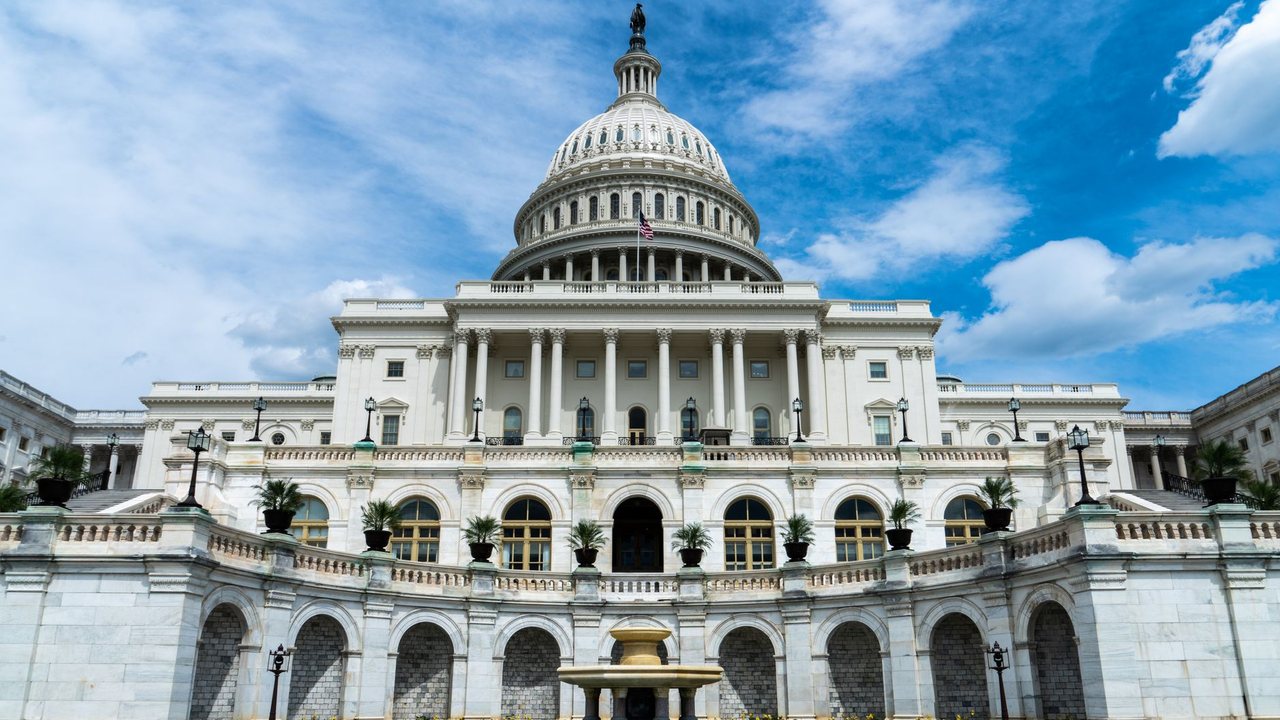
Photo: Michael Judkins / Pexels (stock photo, for illustration).