
Key Takeaways
- Foldable phones cost more in 2024 than previous years, defying the typical tech price-drop cycle
- Samsung's Galaxy Fold launched at $1,980 in 2019; current models range $1,500–$2,100+
- The folding hinge and display engineering—not the chip or camera—drive the majority of production costs
- Supply chain disruptions, specialized materials, and durability upgrades outpace economies of scale
- Unlike flat-screen TVs, foldable manufacturing hasn't achieved mass-production efficiency yet
Foldable phone price increases stem from advanced display technology, precision hinge engineering, and rising manufacturing costs. Since Samsung's 2019 Galaxy Fold launch at $1,980, prices have swung between $1,500 and $2,100+ as supply chain disruptions, specialized materials, and durability upgrades keep pushing production expenses up faster than economies of scale can pull them down.
What foldable phones actually are, and why they cost more than a regular phone
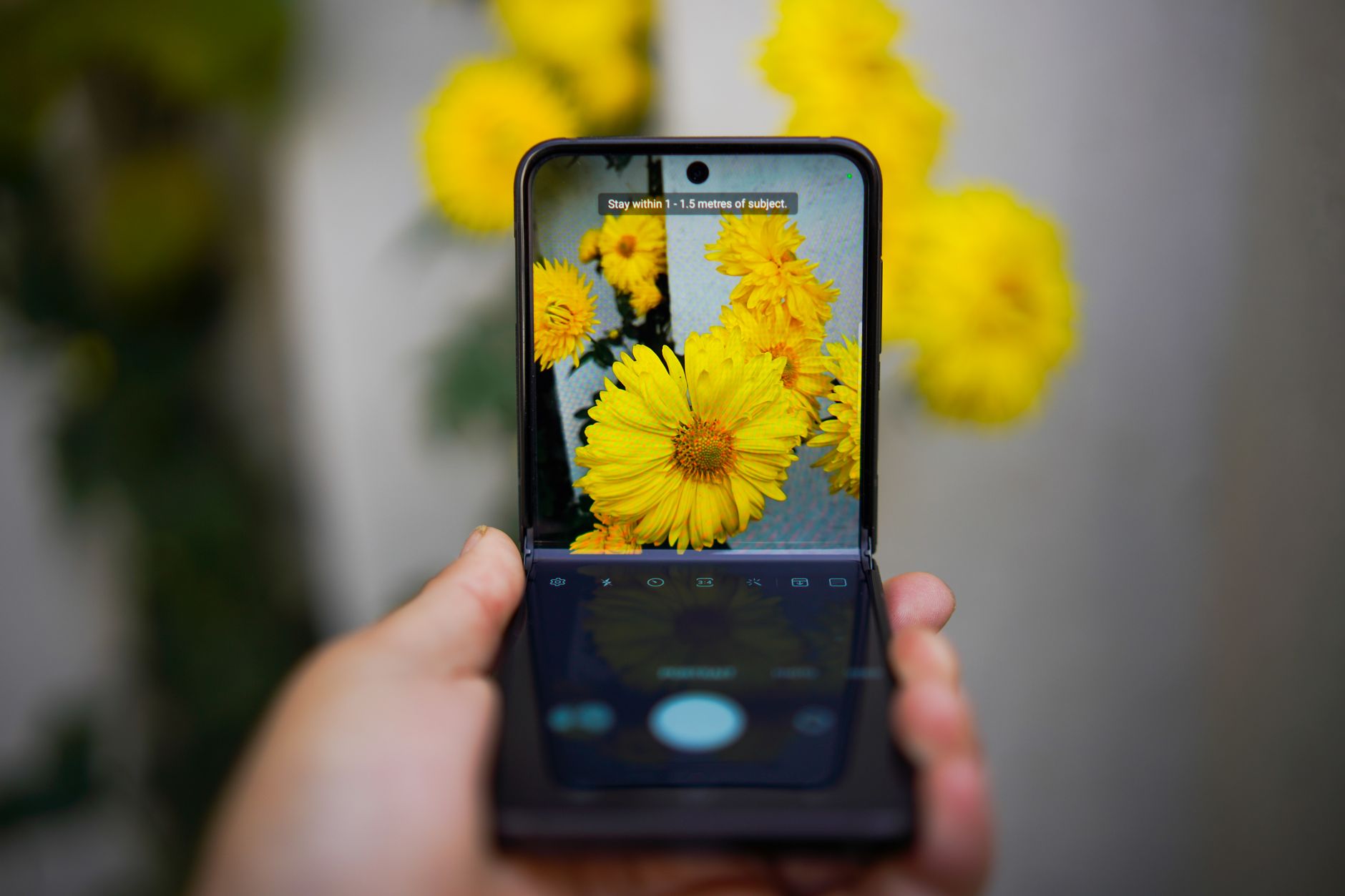
A foldable phone is exactly what it sounds like — a smartphone with a display that bends, letting you fold it shut like a book or a flip phone your parents owned in 2003. Samsung's Galaxy Z Fold and Z Flip lines are the household names, but Motorola, OnePlus, Google and Huawei have all thrown their hats in the ring.
The reason they cost more than a regular phone isn't complicated in theory: you're paying for a screen that can survive being creased hundreds of thousands of times, a hinge mechanism precise enough to keep dust and grit out, and a chassis engineered to flex without snapping. A normal phone just has to sit there and look pretty. A foldable has to do gymnastics daily and not throw its back out.
The timeline: how we got from $1,980 to $2,100+
Samsung kicked things off in 2019 with the original Galaxy Fold at approximately $1,980, which set the tone for the entire category: foldables are a premium product, full stop. According to reports, prices began stabilizing around 2021 as manufacturing scaled up, with some models dropping to roughly $1,500.
That's when things got interesting, and not in a good way for your wallet. Reportedly, 2022 through 2023 saw component costs increase again, driven by supply chain disruptions and the specialized materials needed for hinges and displays. By 2023, the Samsung Galaxy Z Fold5 launched at approximately $1,800 — a renewed increase, not the gradual decline everyone expected.
Then 2024 happened. Reportedly, newer foldable models climbed to $1,900–$2,000+ as manufacturers piled on durability improvements. Mid-2024 saw competitors like Motorola and OnePlus enter at a slightly gentler $1,500–$1,700, creating a proper tiered market. By late 2024, premium foldables with improved displays and hinges reportedly reached approximately $2,100+. Industry reports project 2025 prices will stabilize or incrementally increase, largely thanks to — you guessed it — AI features nobody asked for on a folding screen.
Why are new foldable phones getting more expensive?
This is the question everyone's actually asking, so let's answer it straight: new foldable phones are getting more expensive because manufacturers keep adding complexity faster than they can strip out cost. Every generation brings a thinner, more durable hinge, a tougher ultra-thin glass layer, and better crease resistance — and all three of those are expensive R&D problems, not just manufacturing tweaks.
It's a bit like renovating a house where every fix reveals another problem behind the wall. Fix the crease, and now the hinge needs redesigning. Fix the hinge, and now the display layer needs to be thinner, which means it's more fragile, which means you need a new protective coating. The costs compound instead of settling down.
The hinge: the tiny expensive machine you never think about
Here's a stat that tends to surprise people: reportedly, specialized hinge mechanisms account for approximately 15-20% of foldable production costs. That's not a rounding error. That's a fifth of the phone's build cost going into a mechanical joint most people only think about when it starts making a worrying clicking noise.
Think about what that hinge has to do. It needs to open and close hundreds of thousands of times without loosening. It needs to keep dust and sand out of a gap that's, by design, right in the middle of the phone. And it needs to do all that while staying thin enough that the phone doesn't look like a brick sandwich. That's precision engineering, and precision engineering is never the cheap option — ask anyone who's paid for Swiss watch repairs.
Folding screens cost more to make and more to fix
The other half of the cost equation is the display itself. A folding OLED panel isn't just a regular screen that happens to bend — it's built with different layers, different adhesives, and an ultra-thin glass or polymer top layer that can survive being folded in half daily without cracking.
That complexity follows you home. According to reports, display replacement costs for foldables range from approximately $300–$400, compared to $150–$200 for a traditional phone screen. So it's not just the sticker price that's higher — the ongoing risk is pricier too. Drop your regular phone, crack the screen, annoying but survivable. Drop your foldable at the wrong angle and you might be looking at a repair bill that's a third of what you paid for the whole device.
How much does a foldable phone cost in 2024?
Foldable phone prices in 2024 span a genuinely wide range, which is good news if your budget doesn't stretch to four figures with a comma in them:
- Entry-tier foldables (Motorola, OnePlus): approximately $1,500–$1,700
- Samsung Galaxy Z Fold5 and similar mid-premium models: approximately $1,800
- Newer 2024 models with durability upgrades: $1,900–$2,000+
- Late-2024 premium foldables with upgraded displays and hinges: approximately $2,100+
So "how much does a foldable cost" doesn't have one answer anymore — it depends heavily on which tier you're shopping in, and whether you want the phone or the phone plus bragging rights.
The tiered market: Samsung, Motorola, OnePlus and the price ladder
For years, foldables were basically a one-horse race, with Samsung setting the price and everyone else watching from the sidelines. That's changed. Mid-2024 saw Motorola and OnePlus enter the market at approximately $1,500–$1,700, deliberately undercutting Samsung's premium positioning.
This has created an actual tiered market for the first time — budget-conscious foldable shoppers now have somewhere to go that isn't "save up for another six months." It's not quite the price war we saw in flagship flat phones a decade ago, but it's a start. Nine times out of ten, if you're seeing a foldable advertised under $1,700, it's one of these newer entrants competing on price rather than chasing the premium crown.
The hidden cost nobody mentions until it's too late
This is the bit most articles gloss over: the sticker price is only half the financial commitment. Foldable phones represent approximately 2-3% of global smartphone sales as of 2024, which means the accessory and repair ecosystem is still thin compared to regular phones. Fewer repair shops know how to fix them properly. Fewer third-party screen protectors and cases exist. That scarcity keeps repair and accessory costs elevated, on top of the higher official repair pricing we already covered.
Insurance is worth genuinely budgeting for here, not treating as an optional extra. A $300–$400 screen repair on a device that's already cost you $1,800 stings a lot more than a $180 repair on a $700 phone.
How to save money when buying a foldable phone
Fair enough, you still want one. Here's where the actual savings are:
- Buy the previous generation once the new model launches — foldable prices drop fastest right after a successor is announced.
- Consider the budget tier (Motorola, OnePlus) rather than defaulting to the premium Samsung line if you don't need the absolute latest hinge tech.
- Trade-in programs on foldables tend to be more generous than on standard phones, since manufacturers want the used units back for refurbishment.
- Buy screen protection or an extended warranty upfront — it's cheaper than one repair bill.
- Watch carrier promotions closely. Foldables are the phones carriers most aggressively subsidize to hit sales targets, since they're a small slice (2-3%) of total sales they're trying to grow.
Will foldable phone prices ever come down?
Industry reports project that 2025 prices will stabilize or incrementally increase, largely due to AI feature additions rather than manufacturing improvements. That's not the triumphant price collapse early adopters were hoping for back in 2019.
The honest answer is: prices will come down eventually, the same way every emerging tech gets cheaper once manufacturing scales and yields improve. But foldables keep adding new complexity — better hinges, thinner glass, AI processing — faster than they're simplifying existing complexity. It's a moving target, not a straight line down.
My honest take: are foldables worth it, or just an expensive fold in the road?
Here's my one strong opinion on this, and I'll back it with numbers rather than vibes: foldables are worth buying only if you actually use the fold daily — multitasking, reading, using it as a mini-tablet — not just for the novelty. If you're paying $1,800-plus and a $300-$400 screen repair risk for a phone that spends 90% of its life closed and used like a normal handset, you've bought a $700 phone experience at a $1,800 price.
The math only works if the fold changes how you actually use the device. If it does, great, the premium is buying you genuine functionality. If it doesn't, you're paying roughly double the price of a flagship slab phone for a hinge you use to check Instagram. I've watched people upgrade to a foldable, get three months of genuine enjoyment out of the novelty, then quietly go back to using it exactly like their old phone — fold closed, unlock, scroll, fold closed. That's not a foldable use case, that's an expensive habit.
My rule of thumb: if you can't name two specific things you'll do differently because the phone folds, save the extra $800–$1,000 and buy a normal flagship. The technology is genuinely impressive. Impressive and necessary for your life are two different questions.
Why are new foldable phones getting more expensive?
New foldables cost more because each generation adds engineering complexity — thinner hinges, tougher displays, better crease resistance — faster than manufacturing scale can bring costs down. Reportedly, hinge mechanisms alone account for 15-20% of production costs. It's less "new phone, new price" and more "new problem, new price."
How much does a foldable phone cost in 2024?
In 2024, foldable phones range from approximately $1,500–$1,700 for entry-tier models (Motorola, OnePlus) up to $2,100+ for premium late-2024 releases with upgraded displays and hinges. The Galaxy Z Fold5 launched at approximately $1,800, sitting right in the middle of that range.
How can I save money when buying a foldable phone?
Buy the previous generation right after a new model launches, consider budget-tier brands over premium Samsung models, and use trade-in programs, which tend to be generous on foldables. Also budget for screen protection upfront — it's cheaper than one $300-$400 repair bill later.
Are foldable phones worth the higher price compared to regular smartphones?
Only if you actually use the fold daily for multitasking, reading, or tablet-style tasks. If you'll mostly use it closed like a normal phone, you're paying roughly double a flagship's price for a hinge you rarely open. Worth it for power users, questionable for everyone else.
How long do foldable phones last before the screen breaks?
Modern foldable displays are rated for hundreds of thousands of folds, which translates to several years of daily use under normal conditions. Screen breakage is more commonly caused by drops, grit in the hinge, or pressure damage than by fold-cycle wear alone.
What makes foldable phone technology so costly to produce?
Three things: the folding OLED display with its ultra-thin protective layer, the precision hinge mechanism (15-20% of production cost), and durability engineering to keep dust and moisture out of the fold gap. None of these exist on a regular phone, so none of the cost is optional.
Will foldable phone prices ever come down as the technology matures?
Eventually, yes, but not on the timeline early adopters expected back in 2019. Industry reports project 2025 prices will stabilize or incrementally increase, mostly because manufacturers keep adding new complexity — AI features, better hinges — as fast as older complexity gets cheaper to produce.
Are foldable phones just a gimmick that justifies the premium price?
Not a gimmick, but not essential either. Foldables still represent only 2-3% of global smartphone sales as of 2024, which tells you most buyers aren't convinced the fold justifies the cost. For genuine multitaskers it's a real functional upgrade; for everyone else, it's a very expensive party trick.
Why are foldable phones so expensive compared to five years ago, if manufacturing has scaled up?
Because manufacturing scaling up and technology getting more complex have been happening at the same time, roughly cancelling each other out. Supply chain disruptions in 2022-2023 also pushed component costs up right when prices should have been settling, which is why 2023-2024 saw renewed increases instead of the expected decline.
So there you have it. Foldable phone prices aren't rising because manufacturers are greedy — they're rising because folding a screen in half without breaking it is genuinely, stubbornly hard, and the bill for solving that keeps landing on you. Buy one because you'll use the fold, not because the fold used you. And if your current phone screen is already cracked, congratulations, you've got the cheapest possible reason to start comparing foldables — just don't fold under the pressure of the price tag.