
Key Takeaways
- The ground stop stopped departures nationwide, with officials later estimating thousands of flights canceled or delayed as the system came back online.
- There is currently no confirmed evidence of a cyberattack; investigators say the disruption points to aging technology and a routine maintenance event tied to a contractor’s upgrade.
- Washington is weighing a new modernization package for air-traffic control, with Transportation Secretary Sean Duffy and other officials urging robust funding to prevent future outages.
- Airlines and airports are coordinating recovery efforts, but industry officials warn it could be days before schedules return to normal, especially with holiday travel looming.
What happened: a national flight pause and its scale
Friday, November 13, 2026, saw the Federal Aviation Administration impose a nationwide ground stop for all departures after a telecommunications disruption affected air-traffic control centers across the country. The administration later announced that airspace reopened at 8:15 p.m. Eastern Time, and that departures would be staged as the system recovered. Officials stressed the safety basis for the step and emphasized that recovery would unfold over the weekend.
Counts from the coverage describe a chaotic travel day: tens of thousands of travelers faced canceled or delayed flights as major carriers scrambled to reroute and rebook. Reuters-anchored reporting relayed that the initial outage began with instability in radar and communications across multiple centers around 3:36 p.m. Eastern, with the outage persisting as controllers and airlines worked to restore operations. By late Friday, the outage’s effects had spread to thousands of flights nationwide, and the recovery would extend into the weekend as schedules were reassembled.
In a parallel view, ThePrint summarized Reuters material describing more than 3,700 flights canceled and about 2,000 delayed on Saturday, with the broader system still working to return to normal. The same article highlighted that the outage was linked to a router upgrade managed by a government contractor and that U.S. officials were examining whether aging infrastructure and the upgrade process contributed to the disruption.
Background: aging system and the modernization push
Analysts and government watchdogs have long warned that the U.S. air-traffic control network relies on aging hardware and legacy communications. The disruption on Friday underscored the vulnerability of a complex system that has been the target of modernization efforts for years but remains dependent on equipment and networks that critics say are overdue for upgrade. In the wake of the outage, officials signaled that modernizing the national air-traffic system is both urgent and politically charged, with lawmakers debating how to fund large‑scale upgrades along with other infrastructure priorities.
Public officials stressed that the immediate focus was to restore safe, reliable flights and to prevent a recurrence. Transportation Secretary Sean Duffy emphasized the need for substantial funding to modernize the air-traffic network, describing the system as “incredibly old” and identifying modernization as essential to avoid similar disruptions in the future. Homeland Security Secretary Markwayne Mullin added that there was “zero evidence” of a cyberattack at the outset, though the investigation would remain open to all possibilities as agencies review the root causes and accountability.
What each side says: language from officials and experts
Officials framed the incident as a technology and reliability problem rather than a political one. Duffy publicly called for a sweeping investment in the air-traffic control backbone, describing the current setup as inadequate for modern demand and vowing to press Congress for funding. Mullin echoed the sentiment, stressing no definitive sign of a cyberattack while acknowledging that the investigation remains ongoing and could consider multiple scenarios. The discussions surrounding funding have intensified amid debates over how best to prioritize large-scale upgrades while maintaining fiscal discipline.
Analysts and industry observers warn that even with the outage behind them, the path to a fully modern system will be long and expensive. The overarching takeaway, as reported by multiple outlets, is that the disruption exposed a structural issue: a national air-traffic network that, while improved in recent years, still relies on aging components and older copper networks that can become bottlenecks under stress.
What happens next: recovery and policy implications
Officials expected airline schedules to normalize by the end of the weekend, though the pace of recovery would depend on how quickly crews and resources could re-tune operations across the country. Reuters and AP coverage note that the recovery could extend into next week, given the scale of the disruption and the need to re-sequence flights across hubs and markets. The modernization conversation is unlikely to disappear anytime soon: the administration and Congress are weighing a multi‑billion‑dollar package to upgrade the aging air-traffic network and related airport infrastructure, with estimates from officials ranging into the tens of billions of dollars.
The disruption has also fed into broader travel industry discussions about resilience, as airlines work to rebook affected passengers and restore schedules in a holiday travel period when demand is elevated. Airports rerouted operations, and many carriers issued waivers or policy accommodations to reduce consumer pain, while still contending with the financial impact of a day of widespread ground stops.
Timeline
- Nov 13, 2026: FAA orders a nationwide ground stop after a telecommunications disruption affects multiple air-traffic centers.
- Nov 13, 2026, 8:15 p.m. ET: FAA announces airspace reopens; departures to resume gradually as the system recovers.
- Nov 14, 2026: Airlines report thousands of cancellations and delays; Reuters and Reuters‑related outlets note the scale of disruption and ongoing recovery efforts.
- Nov 15, 2026: Officials acknowledge that full normalization could take days, as Congress weighs a multi‑billion modernization package and agencies continue investigations.
Frequently Asked Questions
What caused the FAA ground stop?
Authorities attributed the incident to a telecommunications issue tied to an upgrade and aging infrastructure in the air-traffic control network, rather than a clear, confirmed external attack.
Was there a cyberattack?
Officials have said there is currently no definitive evidence of a cyberattack, though investigators are reviewing all possibilities as part of a broader probe.
How long until travel returns to normal?
Officials say schedules are unlikely to return to normal immediately; the recovery is expected to span the weekend and potentially into early next week, depending on carrier rebookings and hub operations.
What happens next in terms of policy?
The administration and Congress are weighing a large modernization package for the air-traffic system, with officials signaling potential tens of billions of dollars in upgrades to prevent future outages.
Sources
- ABC News: FAA ground stop live updates - entry 138126578
- AP News: What to know about flights after the US nationwide ground stop
- Investing.com: US aviation shutdown blamed on L3 Harris router
- ThePrint: Thousands of US flights canceled, delayed as air travel system recovers from shutdown
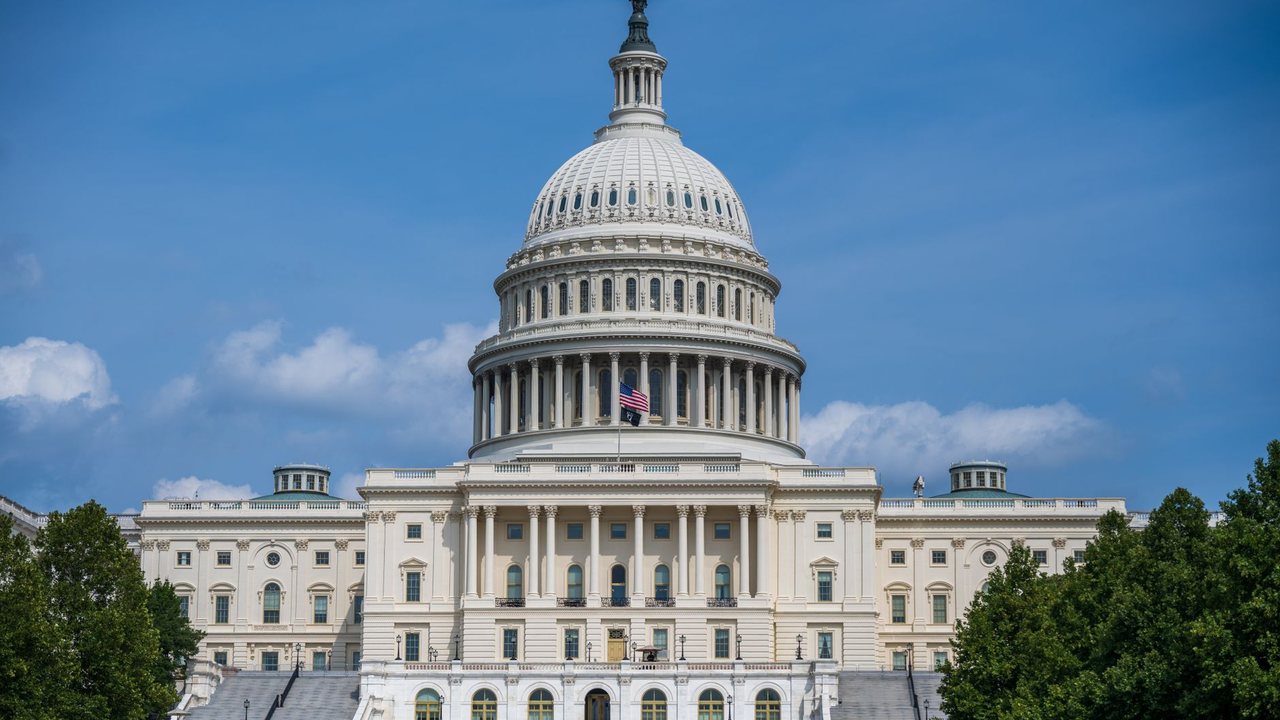
Photo: Guohua Song / Pexels (stock photo, for illustration).