
Key Takeaways
- The current stopgap funding measure, Public Law 119-103, expires on December 11, 2026, leaving Congress with limited time to pass full-year appropriations bills.
- As of mid-November, Congress has not enacted any of the 12 necessary spending bills for fiscal year 2027, raising concerns about a potential government shutdown.
- Critical programs, including highway transportation and agriculture, are at risk of disruption if funding is not extended beyond the December 11 deadline.
- The legislative calendar is tight, with only three scheduled legislative weeks remaining before the funding deadline, complicating efforts to pass comprehensive funding legislation.
What Happened
As the December 11 deadline approaches, Congress faces a pressing challenge: passing full-year appropriations bills to fund the federal government for fiscal year 2027. The current stopgap measure, Public Law 119-103, signed into law on September 2, 2026, keeps the government funded at fiscal year 2026 levels until December 11. However, as of mid-November, Congress has not enacted any of the 12 necessary spending bills, raising concerns about a potential government shutdown if new funding is not secured in time.
The Background
The legislative process for funding the federal government involves passing 12 appropriations bills that allocate funds to various government agencies and programs. These bills are typically passed individually, but in recent years, Congress has often resorted to stopgap measures to avoid government shutdowns. The current stopgap measure, Public Law 119-103, was enacted to provide temporary funding until December 11, 2026, allowing Congress additional time to negotiate and pass the full-year spending bills. However, with the deadline approaching and no full-year bills enacted, there is growing concern about the possibility of a government shutdown.
What Each Side Says
Supporters of the current stopgap measure argue that it provides necessary time for Congress to deliberate on funding priorities and avoid hasty decisions that could have long-term consequences. They contend that the temporary measure ensures continuity of government operations while allowing for thorough consideration of fiscal policies.
Opponents, including some members of Congress and advocacy groups, express frustration with the reliance on stopgap measures and the lack of progress on full-year appropriations bills. They argue that this approach undermines effective governance and creates uncertainty for federal agencies and the public. Critics also point out that repeated reliance on stopgap measures can erode public trust in the legislative process and the government's ability to function efficiently.
What Happens Next
With only three scheduled legislative weeks remaining before the December 11 deadline, Congress faces a tight timeline to pass the full-year appropriations bills. If Congress fails to enact these bills or another stopgap measure by the deadline, a government shutdown could occur, leading to disruptions in federal services and programs. The outcome will depend on the ability of lawmakers to negotiate and reach consensus on funding priorities in the remaining time.
Why It Matters
The potential for a government shutdown has significant implications for federal employees, contractors, and the public. A shutdown can lead to furloughs of federal workers, delays in services, and economic uncertainty. Additionally, critical programs, such as those related to transportation infrastructure and agriculture, could face disruptions, affecting millions of Americans who rely on these services. The situation underscores the challenges Congress faces in balancing fiscal responsibility with the need to fund essential government operations.
Timeline
- September 2, 2026: President Trump signs Public Law 119-103, a stopgap measure funding the government at fiscal year 2026 levels until December 11, 2026.
- November 3, 2026: Midterm elections are held, potentially influencing the composition of Congress and its approach to funding legislation.
- November 16, 2026: KPMG reports that only three legislative weeks remain before the funding deadline, with no full-year appropriations bills enacted yet.
What is Public Law 119-103?
Public Law 119-103 is a stopgap funding measure signed into law on September 2, 2026, that keeps the federal government funded at fiscal year 2026 levels until December 11, 2026.
What happens if Congress doesn't pass full-year appropriations bills by December 11?
If Congress fails to pass full-year appropriations bills or another stopgap measure by December 11, a government shutdown could occur, leading to disruptions in federal services and programs.
How many appropriations bills does Congress need to pass?
Congress needs to pass 12 appropriations bills to fully fund the federal government for the fiscal year.
What are the implications of a government shutdown?
A government shutdown can lead to furloughs of federal workers, delays in services, and economic uncertainty, affecting millions of Americans who rely on federal programs and services.
Sources
- Civl: A month before funding runs out, no full-year spending bill has cleared Congress
- Oravan: Government funding deadline
- KPMG: November 16, 2026 | Capitol Hill Weekly
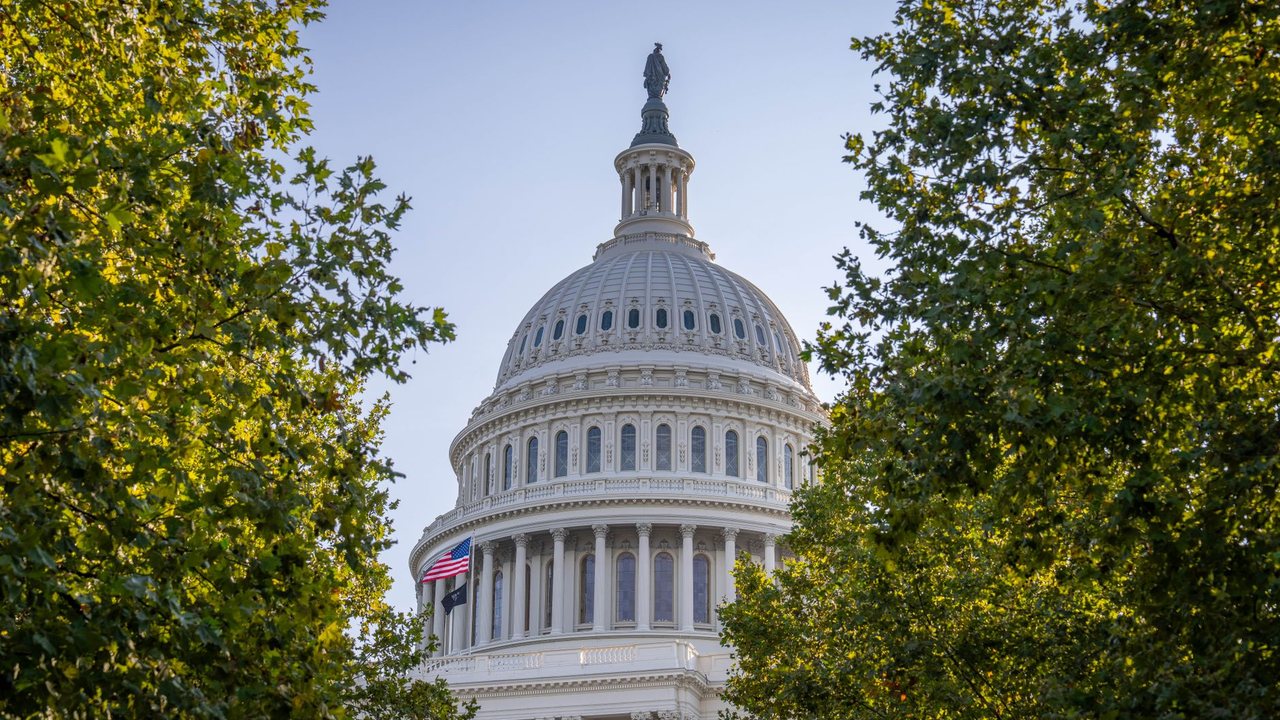
Photo: Mark Stebnicki / Pexels (stock photo, for illustration).