Key Takeaways
- The blue dollar rate can save travelers up to 40% compared to official exchange rates
- Patagonia requires 5-7 days minimum—it's a region, not a weekend trip
- Buenos Aires safety requires street awareness, not paranoia—treat it like any major city
- Tap water safety varies by region, not by assumptions or vibes
- Mendoza's wine tourism punches above its weight as a budget-friendly destination
Travel to Argentina means navigating a country of 46-47 million people spread across 2.78 million square kilometers, where the peso's wild exchange rate swings, regional water safety differences, and Patagonia's sheer size all shape your trip more than any guidebook admits. Get the practical details right and you'll save serious money. Get them wrong and you'll spend your holiday in a currency exchange queue.
1. The peso has two prices, and only one of them is yours
Nobody explains this bit clearly enough before you land. The Argentine peso reportedly experienced dramatic depreciation, somewhere in the 50-100% range depending on the period you're measuring, and that volatility didn't stop when Javier Milei took office in 2023 promising economic restructuring for the tourism sector. What that means for you: the official bank exchange rate and the "blue dollar" (informal market) rate can differ enormously.
Bring US dollars in cash. Exchange them through reputable local services or your hotel, not the bank. Paying for a hotel in Recoleta with a foreign credit card at the official rate versus paying cash at the informal rate can mean a genuinely painful gap in what you spend. This isn't some backstreet scam — it's just how the economy works right now. Skip this step and your Argentina vacation packages budget evaporates faster than a Malbec at a family asado.
2. Buenos Aires safety is about smarts, not sirens
Is Argentina safe for tourists? Nine times out of ten, yes — but "safe" doesn't mean "switch your brain off." Buenos Aires reportedly pulled in 5-6 million international visitors annually before the pandemic, and the vast majority left with nothing worse than a food coma. Pickpocketing is the real risk, not violent crime, and it clusters around tourist-heavy zones like La Boca and crowded subte (subway) cars.
Rule of thumb: keep your phone in a front pocket, don't flash the good camera on Caminito, and split your cash across bags rather than one wallet. Fair enough if that sounds like standard big-city advice — because it is. Argentina isn't some lawless frontier. It's more Home Alone than Die Hard: the threats are opportunistic, not orchestrated.
3. Patagonia isn't a place, it's a small continent
How many days do you need to explore Patagonia? Five to seven days, minimum, and that's just scratching one corner of it. People plan Argentina trips like Patagonia is a day-stop between Buenos Aires and the wine country. It is not. It's a region roughly the size of several European countries combined, and El Calafate alone (home to the Perito Moreno Glacier) requires its own dedicated days.
Add Bariloche for lake district hiking, El Chaltén for trekking near Mount Fitz Roy, and you're looking at a proper two-week itinerary if you want to do it without sprinting. Flights between Patagonian hubs and Buenos Aires aren't quick either — treat it as its own trip bolted onto the main one, not an afternoon excursion.
4. Mendoza is a wine region punching well above its weight
Argentina reportedly accounts for approximately 9% of global wine production, and Mendoza is the epicenter, with major wine tourism development reportedly ramping up since 2008. This isn't a niche detour for wine geeks — it's one of the best places to visit in Argentina full stop, and the Malbec here rivals anything coming out of Napa or Bordeaux, usually for a fraction of the price.
Bodega tours range from bicycle-friendly boutique wineries to sprawling estates with tasting menus that'll make you reconsider your life choices back home. Book ahead in high season (harvest runs roughly February to April), and pair it with the Andes as a backdrop — because apparently good wine wasn't enough, it had to come with mountains too.
5. Tap water safety changes by region, not by vibe
Buenos Aires tap water is generally treated and safe to drink. Head into rural Patagonia or remote northern provinces and that confidence should drop. It's not that the whole country is a gamble — it's that "Argentina" as a single travel guide category doesn't hold up when the country spans 2.78 million square kilometers of wildly different infrastructure.
Rule of thumb: drink tap water in major cities without worry, carry a filter bottle for rural stretches, and always ask locally if you're unsure. This one gets skipped in most Argentina travel guide content because "it depends" doesn't make for a punchy headline. But it's the truth.
6. Domestic flights often beat the bus on price
This one surprises people. Argentina is enormous — bigger than most travelers mentally prepare for — and long-distance buses, while comfortable (some have fully reclining "cama" seats), can eat two full days of your trip covering ground a flight does in two hours. With domestic carriers and promotional fares, flying between Buenos Aires and El Calafate or Mendoza is frequently cheaper than the equivalent overnight bus once you factor in lost time and the extra hotel night you'll need.
Book domestic flights early and in local currency where possible — foreign-currency booking often triggers a worse exchange rate, tying right back into problem number one.
7. Tipping here isn't what you're used to
Restaurant tipping in Argentina sits around 10%, and it's appreciated rather than obligatory — nothing like the 20%-plus expectation in the US. Taxi drivers generally don't expect a tip beyond rounding up the fare. Tour guides in Patagonia or Mendoza wine tours are the exception; a modest tip there is customary and genuinely goes a long way given local wage realities amid the peso's instability.
Don't over-tip out of guilt about the exchange rate gap either — it distorts local pricing expectations and, frankly, you already got the better end of that currency deal.
The season everyone skips (and shouldn't)
Most guides push December to February (Argentine summer) for Buenos Aires and Patagonia. Fair call for hiking season, but it's also peak crowds and peak prices. Shoulder season — March to May, or September to November — gets you Mendoza's harvest, milder Buenos Aires weather, and noticeably thinner crowds at the big sights. Remember: Argentina's seasons are flipped from the Northern Hemisphere, so "winter" here is your summer back home. Nobody mentions how often travelers book based on their home calendar instinct and end up in Ushuaia during a genuinely brutal southern winter by mistake.
Beyond Buenos Aires and Patagonia
Everyone's Argentina travel guide starts and ends with the capital and the glaciers. Skip the crowds and look at Salta and the Northwest — colonial architecture, dramatic red-rock canyons at Quebrada de Humahuaca, and a slower, cheaper pace than the tourist circuit. Iguazu Falls, on the border with Brazil, is also chronically undersold as a "maybe" add-on when it's genuinely one of the best places to visit in Argentina on its own merits — bigger and more dramatic than Niagara by a wide margin, and worth two full days, not a half-day flyby.
My honest take: skip the package tour
Here's my one hot take, and I'll back it with numbers. Skip the all-inclusive Argentina vacation packages sold by big international operators. Book flights, key hotels, and one or two guided experiences (a Patagonia trek, a Mendoza bodega tour) independently instead.
Why? Packaged tours typically price in USD at official exchange rates, meaning you lose the entire blue-dollar advantage — potentially a significant percentage of your total trip cost, gone, just for the convenience of one invoice. A traveler booking independently and paying cash in pesos at informal rates for accommodation, food, and local tours can end up with a materially cheaper trip than the same itinerary bought as a bundle.
Exception: if this is your first international solo trip, or you're traveling somewhere logistically gnarly like remote Patagonia in shoulder season, a package removes real friction and that's worth paying for. But for Buenos Aires, Mendoza, and the well-trodden circuit? Do it yourself. It's not hard, and the savings are too big to leave on the table.
Is Argentina safe for tourists?
Generally yes. Violent crime against tourists is rare; opportunistic pickpocketing in crowded areas is the real concern. Use standard city smarts — secure your phone, split your cash, skip the flashy jewelry — and you'll be fine nine times out of ten.
What is Argentina known for?
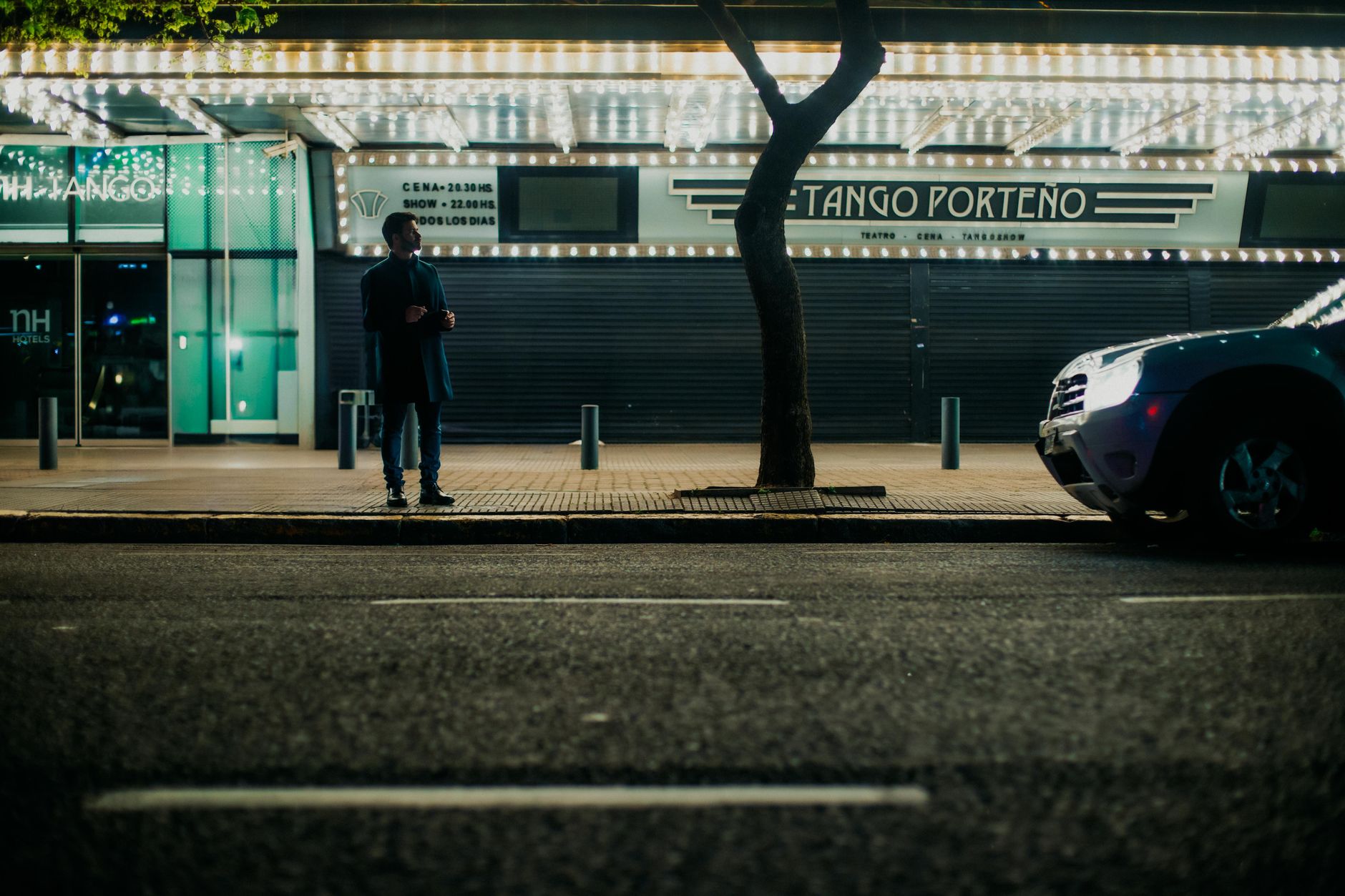
Tango (born in 1880s-1890s Buenos Aires working-class neighborhoods), Malbec wine from Mendoza, Patagonian glaciers, and world-class steak. It's also known for its economic volatility, which — annoyingly — shapes almost every part of trip planning.
How do I plan a trip to Argentina?
Start with currency strategy (bring USD cash, learn the blue-dollar rate), then build your route around regions, not just cities — Buenos Aires, Mendoza, Patagonia, and the Northwest are each multi-day commitments, not day trips.
Is Argentina or Chile better to visit?
Depends what you want. Argentina wins on wine, tango, and steak; Chile edges it for dramatic desert-to-fjord diversity in a single trip. Many travelers combine both since Patagonia straddles the border anyway — best of both worlds, no passport-related pun intended (okay, maybe a little intended).
How much does a trip to Argentina cost?
Highly variable due to the peso's swings, but paying cash at informal exchange rates makes Argentina noticeably cheaper than pre-2018 levels for foreign visitors. Budget travelers can do well; just avoid paying in USD at official rates wherever avoidable.
What is the best time to visit Argentina?
Shoulder seasons — March to May and September to November — offer good weather, harvest season in Mendoza, and fewer crowds. December to February is peak summer for Patagonia hiking but also peak prices.
How many days do you need to explore Patagonia?
Five to seven days minimum for one region (say, El Calafate and Bariloche). Add El Chaltén and you're closer to ten days. It's genuinely vast — don't try to cram it into a long weekend.
Is Argentina expensive to travel in?
It depends heavily on how you pay. Using official exchange rates and credit cards makes it pricier; paying cash at informal rates makes it one of South America's better value destinations. The gap between the two approaches is the biggest budgeting lesson in this whole article.
Do I need a visa to visit Argentina?
Many nationalities, including US, UK, EU, and Australian passport holders, can enter visa-free for tourism for a limited stay. Always check current requirements before booking, since policy can shift with each new government — and Argentina's had a few of those lately.
So there you have it — the seven things nobody puts on the postcard. Argentina will still hand you the glaciers, the Malbec, and the tango, exactly as promised. Just bring cash, patience, and a healthy respect for how big Patagonia actually is. Get the practical stuff sorted and the rest of the trip basically runs itself — no pun intended, but I'll take it anyway.